Isaiminia World Breaking News & Top Stories
Key Takeaways
- The driver who hits another vehicle from behind is often found at fault, but fault is not automatic in every rear-end crash in Nevada.
- Following too closely, speeding, distraction, and failing to brake in time are common reasons the trailing driver may be liable.
- The front driver may share fault if they reversed unexpectedly, stopped without a valid reason, had broken brake lights, or made another unsafe maneuver.
- Nevada uses comparative negligence, so more than one person can be assigned a percentage of fault.
- Photos, witness accounts, vehicle damage, video footage, and the police report can all help clarify how the collision occurred.
A rear-end crash can happen in seconds, whether traffic stops suddenly on I-15, a driver brakes at a Las Vegas intersection, or vehicles bunch up in a parking lot. Although people often assume the rear driver is always responsible, the real answer depends on the facts. Anyone trying to understand common issues after a collision can find additional information on this website.
In many cases, the driver in the back is at fault because every driver has a duty to leave enough room to stop safely. Still, a complete fault analysis considers the actions of both drivers, roadway conditions, visibility, vehicle maintenance, and whether another vehicle or hazard contributed to the impact.
Why the Rear Driver Is Often at Fault
Nevada law requires drivers not to follow another vehicle more closely than is reasonable and prudent for the vehicles’ speed, traffic, and highway conditions. That duty is explained in Nevada’s rules on following too closely. When a driver cannot stop before striking the vehicle ahead, insurers and investigators may conclude that the driver left too little following distance or was not paying adequate attention.
Common examples of rear-driver negligence include:
- Texting, checking navigation, eating, or otherwise driving while distracted.
- Speeding or driving too fast in rain, darkness, congestion, or construction traffic.
- Tailgating in stop-and-go traffic.
- Failing to notice brake lights, slowed traffic, or a traffic signal.
- Driving while tired, impaired, or affected by medication.
- Having defective brakes or worn tires makes safe stopping harder.
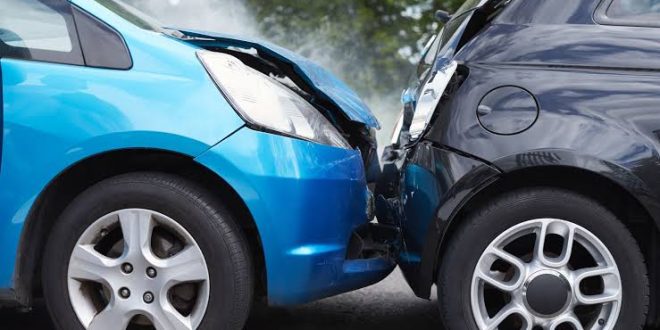
A rear impact alone does not prove exactly what happened, but it is often important evidence. The rear vehicle may show front-end damage, while the front vehicle may have damage to its bumper, trunk, or rear frame. The location and severity of the damage can help investigators determine the angle, force, and sequence of the collision.
The driver in front is not automatically free from responsibility. A front driver may share fault when their own unsafe conduct helped cause the crash. This can be especially relevant when the collision occurs during lane changes, merging, parking, or reversing.
Sudden or Improper Stops
Stopping for traffic, a red light, a pedestrian, or an emergency is normally reasonable. However, abruptly stopping in an active lane without a traffic-related reason may create a dangerous situation. Investigators may look at whether the front driver stopped because of a genuine hazard or whether they braked unnecessarily.
Reversing Into Another Vehicle
A crash may be described as a rear-end collision even though the front vehicle actually backed into the vehicle behind it. This sometimes occurs in driveways, parking spaces, garages, and heavy traffic. In that situation, the reversing driver may be fully or primarily responsible.
Broken Brake Lights or Unsafe Vehicle Conditions
If the front vehicle’s brake lights were not working, the rear driver may have had less warning that traffic was slowing. Fault may depend on lighting conditions, the distance between the vehicles, whether the driver had other warning signs, and whether the rear driver was already following too closely.
How Comparative Negligence Works in Nevada
Nevada follows a comparative negligence system. That means the fault can be divided among the people involved rather than placed entirely on one driver. For example, a rear driver might be found 80 percent responsible for tailgating, while the front driver is assigned 20 percent for making an unsafe stop.
If an injured person is partly responsible, their potential recovery may be reduced by their share of fault. Under Nevada law, a person generally cannot recover damages if their negligence is greater than the combined negligence of the parties they seek recovery from. Because the evidence and percentages matter, broad assumptions about rear-end crashes can be misleading.
Evidence That Can Help Establish Fault
Fault decisions should be based on evidence, not on what either driver says at the scene. Useful evidence may include:
- Photos of vehicle positions, damage, skid marks, debris, weather, and road signs.
- Dash-camera, business-surveillance, or traffic-camera footage.
- Statements from independent witnesses.
- The police officer’s observations and crash report.
- Phone records, vehicle event data, or onboard camera footage, when available.
- Repair estimates and photographs taken before vehicles are moved or repaired.
After a Nevada crash involving injury, death, or property damage, drivers have legal responsibilities to stop, provide identifying and insurance information, and provide reasonable assistance to injured people. The state’s crash-reporting requirements also address when a report must be made if law enforcement is not present.
What to Do After a Rear-End Crash
- Move to a safer location if the vehicles can be moved safely and doing so will not endanger anyone.
- Call 911 when there are injuries, a dangerous roadway condition, suspected impairment, or significant damage.
- Exchange contact, insurance, vehicle, and driver’s license information.
- Take photos and video before vehicles are moved, when possible.
- Ask witnesses for their names and contact information.
- Seek prompt medical attention, even if pain seems minor at first. Neck, back, and head symptoms may not be immediately obvious.
- Notify the insurance company, but avoid guessing about fault before the facts are known.
Frequently Asked Questions
Is the rear driver always at fault in Nevada?
No. The rear driver is often at fault because of the duty to maintain a safe following distance, but fault can be shared or shifted when the front driver reversed, stopped improperly, had inoperative brake lights, or otherwise acted unsafely.
What if the vehicle in front stopped suddenly?
A sudden stop does not automatically excuse the rear driver. Drivers are expected to anticipate ordinary traffic changes. The reason for the stop, the available following distance, traffic speed, and visibility can all affect the result.
Can a multi-car rear-end crash involve several at-fault drivers?
Yes. Chain-reaction crashes may involve one initial impact followed by separate impacts. Each driver’s speed, following distance, braking, and lane position may need to be evaluated individually.
Conclusion
In Nevada, the rear driver is often responsible for a rear-end collision, but there is no rule that automatically makes them at fault in every case. A fair assessment looks beyond the final impact and examines the full sequence of events. Preserving evidence, properly reporting the crash, and avoiding hasty assumptions can make it easier to determine who was truly responsible.