 Isaiminia World Breaking News & Top Stories
Key Takeaways
- Start with the fence’s primary job, such as privacy, security, pet containment, access control, or boundary definition.
- Compare materials by appearance, maintenance needs, visibility, durability, and suitability for the property.
- Posts, footings, hardware, drainage, and gates are as important as the visible sections of the fence.
- Solid fences increase privacy, while open designs provide more airflow and sightlines.
- Regular inspections help catch loose hardware, leaning posts, damaged boards, and gate alignment problems early.
Choosing a fence is about more than selecting a color or a pattern. Oklahoma City property owners need a system that fits the way they use their yard, business, driveway, or industrial site while accounting for open exposure, changing weather, drainage, access, and long-term upkeep. Thoughtful fencing begins with a clear purpose, then matches the material, layout, posts, and gates to that purpose.
Whether a property is in Oklahoma City, Edmond, Norman, Moore, Yukon, Mustang, El Reno, Shawnee, Stillwater, or Blanchard, a fence should work as a complete boundary system. A backyard privacy fence, a secure commercial perimeter, and an industrial access gate may all require very different solutions.
Start With the Fence’s Main Purpose
A fence that looks appealing may still be the wrong choice if it does not solve the property’s actual needs. Privacy often calls for a taller, more enclosed design. Pet containment requires appropriate spacing and secure gates. A front-yard boundary may benefit from a lower, open design that preserves visibility. Commercial and industrial sites may need controlled vehicle access, durable perimeter fencing, or temporary fencing during construction and events.
One property can use more than one style. For example, a home may have a private backyard fence and a decorative front boundary, while a business may use chain link around a service area and an automated gate at the drive entrance.
Compare Common Fence Materials
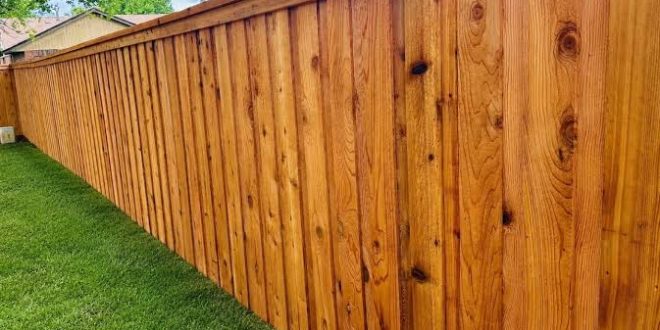
- Wood: Offers a traditional appearance and flexible privacy layouts. It benefits from cleaning, finish maintenance, and replacement of damaged boards when needed. Homeowners considering wood can review how moisture, preservation, and finishes affect wood performance before deciding on a care plan.
- Vinyl: Has a clean appearance and does not require painting or staining. Posts, connections, and installation details still matter, especially in exposed locations.
- Chain link: Is practical for pets, large yards, utility areas, temporary enclosures, and many commercial applications. Coated options and privacy slats can change their appearance and visibility.
- Aluminum and ornamental metal: Work well when decorative appearance, visibility, and low routine maintenance are priorities.
- Steel: Can provide a strong, modern boundary, particularly when paired with an appropriate protective finish.
- Composite: Can provide a wood-inspired appearance with reduced routine finishing requirements, although its available styles and structural components should be evaluated carefully.
Balance Privacy and Airflow
Privacy and airflow often pull a design in different directions. Full-privacy panels block sightlines, while picket, ornamental metal, and chain link designs keep the boundary more open. Semi-private and shadowbox layouts can soften views while allowing some air movement through the fence.
Board spacing, fence height, nearby trees, and the direction of prevailing weather all affect how enclosed an outdoor area feels. Landscaping can also add screening in selected places without requiring every fence line to be solid.
Photorealistic, candid, documentary-style photo of a homeowner and fencing professional standing in a real Oklahoma City backyard, casually comparing a solid privacy fence with an open section near mature trees, natural, uneven daylight, visible grass, and slightly imperfect surroundings, genuine in-the-moment lifestyle feel, no posed presentation.
Plan for Wind, Heat, Rain, and Soil
Oklahoma weather makes site planning essential. Wind can place greater pressure on a solid fence than on an open design, and water that collects around posts can contribute to avoidable problems over time. Post spacing, depth, footing design, bracing, fasteners, and gate-post reinforcement should be considered together rather than as separate details.
Slopes, drainage paths, and varying soil conditions can affect installation choices. The broader principles governing the transfer of wind forces through connected structural components are reflected in the load path concept, which underscores why connections and support matter.
Plan Gates and Access Points Early
Gates receive repeated movement and should never be an afterthought. A walk gate, double-drive gate, sliding gate, or automated gate must accommodate the traffic it serves. Consider vehicle width, lawn equipment, deliveries, trash service, emergency access, slope, swing clearance, drainage, hinges, latches, and the strength of the supporting posts.
Gate automation can be useful for frequent vehicle access, controlled entry, commercial operations, and larger properties. It should include an appropriate safety plan, reliable power considerations, and a way to operate the gate manually when necessary.
Avoid Common Fence Planning Mistakes
- Choosing a material before defining the fence’s purpose.
- Assuming a property line without reviewing a survey, recorded boundary, or easement.
- Overlooking neighborhood, HOA, city, or county requirements.
- Installing gates that are too narrow for the expected access.
- Using a single fence style throughout, despite different needs across the property.
- Focusing only on panels while ignoring posts, footings, hinges, and latches.
- Failing to account for slopes, drainage, landscaping, or future repairs.
Maintain, Repair, or Replace
Inspect a fence seasonally and after major storms. Look for loose hardware, leaning posts, broken boards, rust, damaged coatings, gaps, and gates that no longer latch or swing correctly. Wood should be checked for moisture-related damage and failing finishes. Metal fencing should be checked for coating damage and early corrosion. Vinyl and composite fencing should be cleaned as needed and inspected for cracking or impact damage.
A loose latch, one damaged board, or an isolated hinge issue may be repairable. Replacement may make more sense when several posts lean, multiple sections are deteriorating, storm damage affects a wider area, or the existing layout no longer meets the property’s needs.
Frequently Asked Questions
What is the best fence for privacy?
Wood, vinyl, and composite can all support private layouts. The best choice depends on desired height, maintenance expectations, budget, property exposure, and applicable local rules.
Which fence material needs the least maintenance?
Vinyl, aluminum, coated chain link, and some composite products generally avoid the staining and sealing associated with wood. Every material still benefits from cleaning, inspections, and occasional hardware adjustment.
Can a fence be installed on a sloped yard?
Yes. A fence may be stepped in sections or racked to follow the grade, depending on the material and design. Slope affects privacy gaps, drainage, gate operation, labor, and layout decisions.
How often should a fence be inspected?
Seasonal inspections are a practical baseline, with additional checks after strong storms or impact damage. Early attention to post-movement and gate problems can help prevent the need for larger repairs.
Choose the Complete System, Not Just the Panels
The right fence for an Oklahoma City-area property balances purpose, material, weather exposure, privacy, access, maintenance, and future use. By evaluating the entire system, including gates, posts, footings, and drainage, property owners can make a more confident choice for residential, commercial, or industrial fencing, repair, temporary fencing, or gate automation needs.