 Isaiminia World Breaking News & Top Stories
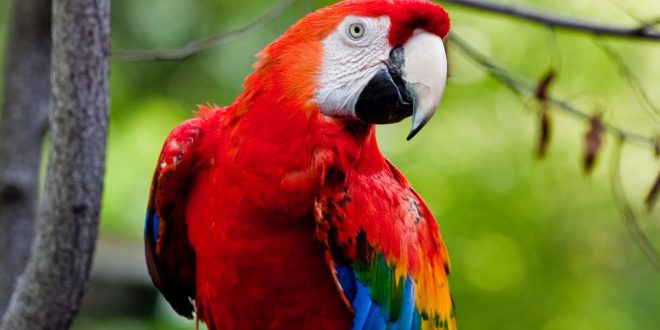
Before you choose a parrot, ask yourself a more basic question: why do you want one?
Do you want a bird that talks? One you can train? A small companion that spends time with you outside the cage? Or do you just like parrots and want one at home?
Those are different expectations, and they can point to very different species.
How much noise can you tolerate?
All parrots make noise. Some are much louder than others.
Do not judge a species by clips where it talks or whistles. Search for its normal calls too, and imagine hearing them every day.
This matters even more if you live in an apartment. A small bird can still be loud enough to annoy your neighbors.
How much time do you have?
Parrots need interaction, time outside the cage and something to do.
They also chew things, make a mess and require regular cleaning. If the bird will spend most of the day alone in a cage, think carefully about whether a parrot fits your routine.
You do not need to entertain it constantly. You do need to make room for it in your normal day.
How long are you signing up for?
Some parrots live for decades.
This matters more with larger species, but even smaller parrots are not short-term pets. If you are choosing a long-lived species, think beyond your current apartment or current job.
Your life may change several times while the bird is still with you.
Do you have enough space?
Check what kind of cage the species actually needs before buying one.
The cage has to be large enough, the bar spacing has to be safe, and the bird still needs some space outside it.
Once you know which species you are getting, the next step is preparing everything before it arrives. This guide to what to buy before bringing home
a parrot covers the basic setup without turning it into an endless shopping list.
Is your home ready for a bird?
Some risks are obvious: open windows, exposed wires, toxic plants and other pets.
Others are easy to miss if you have never kept birds before. One example is overheated non-stick cookware containing PTFE, which can release fumes that are dangerous to parrots.Before bringing a bird home, it is worth checking which household fumes can be dangerous to parrots and whether anything in your normal routine needs to change.
Do you mainly want a talking bird?
If talking is one of the main reasons you want a parrot, assume that your bird may never become a good talker.
Some species are better mimics than others, but individual birds vary. The same goes for handling: a species can have a reputation for being friendly without every bird behaving the same way.
If you would be disappointed unless the bird talks, cuddles or behaves in one particular way, that is worth thinking about before you buy it.
Read the complaints too
When researching a species, do not read only pages about how intelligent, beautiful or affectionate it is.
Look at what owners complain about. Noise, mess, chewing, space and behavior are often more useful when deciding whether you actually want to live with the bird.
There is no universally easy parrot. The best starting point is choosing one whose normal behavior you can live with for years.