 Isaiminia World Breaking News & Top Stories

Termination of pregnancy, commonly referred to as abortion, is a medical procedure to end a pregnancy. It is a deeply personal and often complex decision influenced by various factors, including health, personal circumstances, and societal norms. In Hong Kong, termination of pregnancy is legal under specific conditions and is regulated by strict laws to ensure the safety and well-being of individuals seeking the procedure.
Hong Kong Policy and Regulations
In Hong Kong, the termination of pregnancy is governed by the Offences Against the Person Ordinance (Cap. 212) and the Termination of Pregnancy Regulations (Cap. 212A). The law permits abortion under two primary conditions:
- If continuing the pregnancy poses a greater risk to the physical or mental health of the pregnant individual than terminating it.
- If there is a substantial risk that the child, if born, would suffer from severe physical or mental abnormalities.
The procedure is only legal up to 24 weeks of gestation, except in cases where the pregnant individual’s life is at risk. To proced with a termination, the approval of two registered medical practitioners is required. They must independently certify that the procedure is justified based on the above conditions. This dual-approval system ensures that the decision is made in good faith and aligns with medical and legal standards.
Termination of pregnancy can only be performed by registered doctors in gazetted hospitals or at the Family Planning Association of Hong Kong (FPAHK) Day Procedure Centre. Performing or undergoing an illegal abortion is a criminal offense, punishable by imprisonment and fines. This strict regulatory framework aims to safeguard the health of individuals while preventing unsafe practices.
Procedures for Termination of Pregnancy
The method of termination depends on the gestational age of the pregnancy and the individual’s medical condition. In Hong Kong, both medical abortion and surgical abortion are available.
Medical Abortion
Medical abortion is typically performed during the first 10 weeks of pregnancy. It involves the use of medications, such as mifepristone and misoprostol, to induce uterine contractions and expel the pregnancy tissue. This method is non-invasive and can often be completed at home under medical supervision. However, it may require follow-up visits to ensure the procedure is complete. In some cases, if the expulsion is incomplete, surgical intervention may be necessary.
Surgical Abortion
Surgical abortion is more common for pregnancies beyond 10 weeks or when medical abortion is not suitable. The two primary surgical methods are:
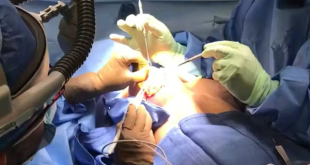
- Vacuum Aspiration: This procedure is typically performed up to 14 weeks of gestation. It involves dilating the cervix and using a suction device to remove the pregnancy tissue. It is usually done under local or general anesthesia and is a quick procedure with minimal recovery time.
- Dilation and Evacuation (D&E): For pregnancies beyond 14 weeks, D&E is the preferred method. It involves dilating the cervix and using surgical instruments to remove the pregnancy tissue. This procedure is more complex and is performed under general anesthesia.
Both methods are safe when performed by qualified medical professionals in approved facilities. Individuals undergoing these procedures are provided with pain management and post-operative care to ensure their well-being.
Complications of Termination of Pregnancy
While termination of pregnancy is generally safe, complications can occur, particularly if the procedure is performed in unsafe conditions or by unqualified practitioners. Potential complications include:
- Incomplete Abortion: In some cases, not all pregnancy tissue is expelled, requiring additional medical or surgical intervention.
- Infection: Infection of the uterus or surrounding tissues can occur if the procedure is not performed under sterile conditions or if post-operative care is inadequate.
- Excessive Bleeding: Heavy bleeding may occur during or after the procedure, necessitating medical attention.
- Uterine Perforation: Rarely, surgical instruments may puncture the uterine wall, leading to complications that require further treatment.
- Cervical Injury: The cervix may be damaged during the procedure, which could affect future pregnancies.
- Adverse Reactions to Anesthesia or Medications: Some individuals may experience side effects or allergic reactions to the drugs used during the procedure.
Long-term complications, such as scarring of the uterine lining (Asherman’s syndrome) or infertility, are rare but possible. Emotional and psychological effects, including feelings of guilt, sadness, or depression, may also occur, highlighting the importance of counseling and support services.
Pre- and Post-Procedure Support
In Hong Kong, individuals seeking termination of pregnancy are encouraged to consult with healthcare providers to discuss their options and receive counseling. Organizations such as the Family Planning Association of Hong Kong and Maternal and Child Health Centres offer support services, including contraceptive counseling and psychological support.
Post-procedure care is crucial to ensure recovery and prevent complications. Individuals are advised to avoid strenuous activities, sexual intercourse, and the use of tampons for at least two weeks after the procedure. Follow-up appointments are essential to confirm that the procedure was successful and to address any concerns.
Ethical and Social Considerations
Termination of pregnancy is a sensitive issue that intersects with ethical, cultural, and social dimensions. In Hong Kong, the decision to terminate a pregnancy is deeply personal and often involves careful consideration of the individual’s circumstances, health, and future plans. The legal framework aims to balance the rights and health of the pregnant individual with societal values and medical ethics.
Public discourse on abortion in Hong Kong reflects diverse perspectives, with some advocating for greater access and support, while others emphasize the need for stricter regulations. Despite these differing views, the focus remains on ensuring that individuals have access to safe and legal procedures when needed.
Conclusion
Termination of pregnancy in Hong Kong is a regulated medical procedure designed to prioritize the health and safety of individuals while adhering to strict legal and ethical standards. The availability of both medical and surgical methods ensures that individuals have access to appropriate care based on their needs and circumstances. While complications are rare, they underscore the importance of seeking services from qualified professionals in approved facilities.
The decision to terminate a pregnancy is never easy and often involves emotional, physical, and social considerations. Hong Kong’s legal framework, combined with the support of organizations like the Family Planning Association, provides a structured and compassionate approach to help individuals navigate this challenging experience. By fostering awareness and access to safe procedures, Hong Kong continues to uphold the health and rights of its residents in matters of reproductive health.