 Isaiminia World Breaking News & Top Stories
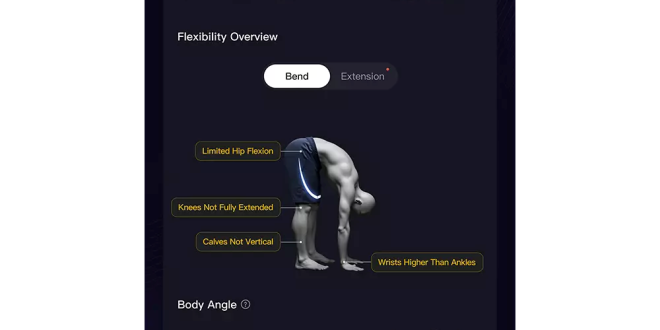
Living in a small apartment shouldn’t mean sacrificing your fitness goals. For millions of urban dwellers, cramped square footage, noise restrictions, and limited storage make traditional gym setups feel impossible. Yet the demand for convenient, effective home workouts has never been higher—and technology is changing everything.
A smart home gym solves this problem by combining compact, versatile equipment with connected devices, fitness apps, and real-time data tracking. Instead of dedicating an entire room to bulky machines, you build an intelligent, adaptable fitness space that fits your lifestyle and your floor plan. The result? Workouts that are more personalized, measurable, and engaging than anything a conventional setup could offer.
The real challenge isn’t finding motivation—it’s knowing where to start. How do you choose equipment that won’t overwhelm a studio apartment? Which smart tools actually deliver results? How do you build a routine that evolves with your goals?
This guide walks you through every practical step: assessing your space and fitness objectives, selecting the right compact equipment, integrating smart technology for a fully connected experience, and creating custom workout plans that keep you progressing. Whether you’re a beginner or a seasoned athlete, you’ll find a clear, actionable path to building an efficient, high-tech home gym—no matter how small your apartment.
Planning Your Smart Home Gym: Space and Goal Assessment
Before buying a single piece of equipment, spend 30 minutes honestly evaluating what you’re working with. Measure every potential workout area—living room, bedroom corner, hallway—and note ceiling height, which matters more than floor space when you’re considering jump ropes or overhead presses. A 6×8 foot clearing is genuinely enough for a functional smart gym if you plan intelligently.
Define your fitness objectives with real specificity. “Getting fit” won’t help you make purchasing decisions, but “building upper body strength three times per week while improving cardiovascular endurance” will. Your goals directly determine your equipment priorities—someone focused on flexibility and mobility needs entirely different tools than someone training for muscle gain. Write down your top two or three objectives and let them drive every decision that follows.
Budget planning deserves the same precision. Smart gym technology ranges from affordable fitness trackers to premium connected equipment, so establish a realistic spending ceiling before browsing. A phased approach works well here: invest in foundational equipment first, then layer in smart devices as your routine solidifies.
Finally, identify multi-use areas in your apartment. A living room ottoman can double as a step platform; wall space behind a door can hold a mounted rack. Look for furniture that folds, rolls, or stacks, and map out a clear floor path you can open within two minutes. The more seamlessly your gym integrates into daily living, the more consistently you’ll actually use it.
Choosing the Best Gym Equipment for Small Apartments
Selecting the right gear for a small apartment gym comes down to two non-negotiable criteria: versatility and footprint. Every piece of equipment you bring in should serve multiple purposes or fold away completely when not in use. Before purchasing anything, ask yourself whether it earns its floor space by supporting at least two or three different exercises or workout styles. The best gym equipment for small apartment prioritizes function-per-square-foot above all else, which means skipping single-purpose machines in favor of adaptable tools that grow with your training needs.
Foldable and Compact Cardio Machines
Foldable treadmills have improved dramatically—modern versions collapse vertically and roll against a wall, reclaiming nearly their entire footprint after use. Under-desk bikes offer a quieter alternative that doubles as functional furniture during work-from-home hours. Compact rowing machines with folding frames deliver full-body cardio in roughly the same storage space as a yoga mat when stored upright. Prioritize models with solid steel frames and weight ratings above 250 pounds; compact doesn’t have to mean flimsy.
Multi-Functional Strength Training Gear
Adjustable dumbbells replace an entire rack of weights with a single compact unit, making them arguably the highest-value purchase for any small apartment gym. Brands like AEKE have developed adjustable dumbbell systems specifically engineered for tight spaces, combining quick-change weight settings with a minimal storage profile. Resistance bands add progressive overload for dozens of exercises and store in a single drawer. Wall-mounted pull-up bars or folding rack systems attach directly to studs and swing flat when unused, freeing floor space entirely. Together, these three categories cover pushing, pulling, hinging, and carrying movements without requiring more than a closet’s worth of storage.
All-in-One Home Gym Systems
Compact cable machines and functional trainers designed specifically for apartments consolidate dozens of exercises into one anchored unit. The clear advantage is workout variety without equipment sprawl; the trade-off is a fixed installation point and a higher upfront cost. For renters, look for freestanding cable systems that don’t require wall drilling. These systems work best when placed in a corner, minimizing their visual impact while keeping every major muscle group accessible from a single station.
Integrating Smart Home Gym Technology for Enhanced Workouts
A smart home gym goes beyond equipment—it’s an ecosystem where connected devices, fitness applications, and real-time data work together to make every session more effective. At its core, this means your gear communicates with your phone or display, your progress is logged automatically, and your next workout adjusts based on how your body actually responded to the last one. That feedback loop is what separates a smart setup from a conventional home gym.
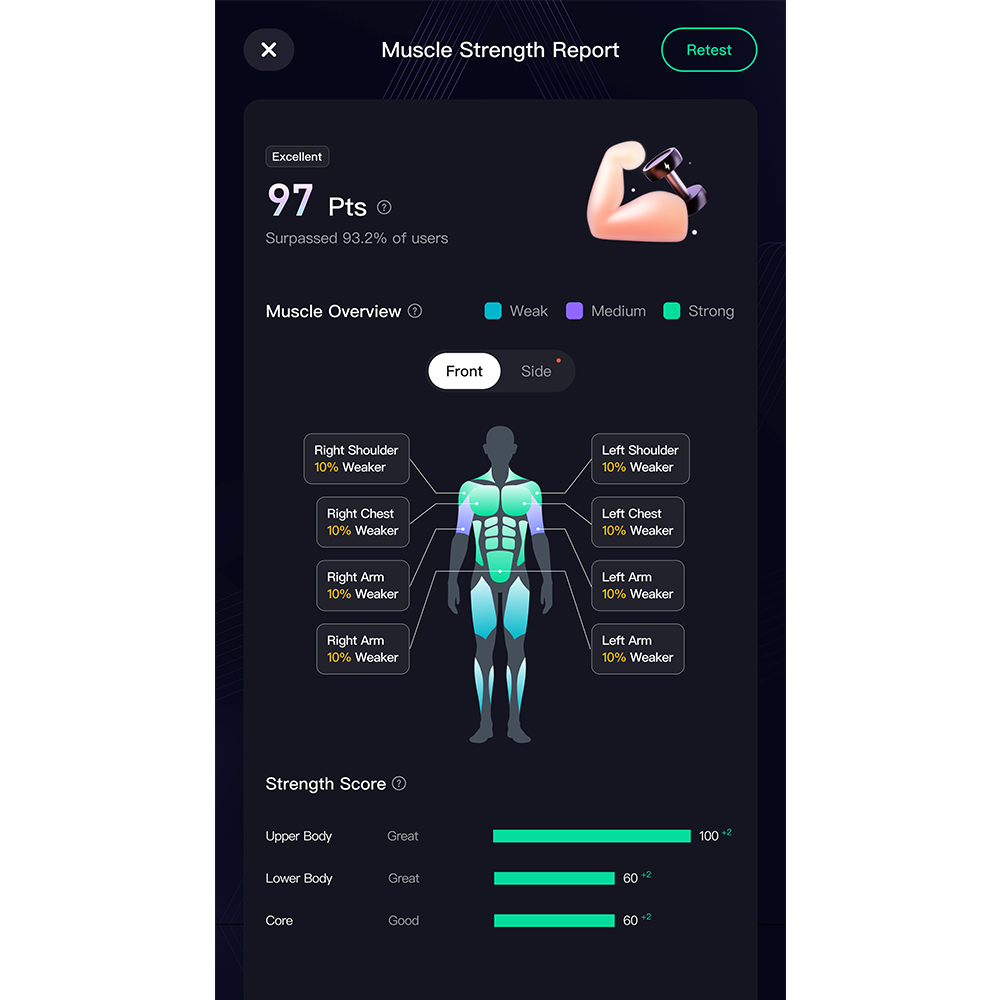
One useful framework for building this ecosystem is 6-dimensional fitness, which addresses strength, cardiovascular endurance, flexibility, balance, speed, and recovery as interconnected systems rather than isolated goals. Smart technology makes this holistic approach practical in a small space by letting a single app track all six dimensions through wearable sensors, connected equipment, and guided programming. A morning yoga session, an afternoon HIIT circuit, and evening mobility work all feed into one unified profile that evolves with your performance.
To sync everything effectively, start by choosing a central fitness platform—Apple Fitness+, Google Fit, or a third-party app like Whoop or MyFitnessPal—and connect every device to it first. Pair your wearable tracker before adding smart equipment, since the wearable becomes your baseline data source. Most connected machines sync via Bluetooth or Wi-Fi during initial setup; follow each device’s pairing sequence within the app rather than through the device itself to avoid duplicate profiles. Once synced, enable automatic workout detection so sessions log without manual input. Finally, integrate your smart home system—if you use Alexa or Google Home—to control lighting, fans, and music through voice commands, keeping your hands free and your focus on training.
Creating and Managing Custom Workout Plans
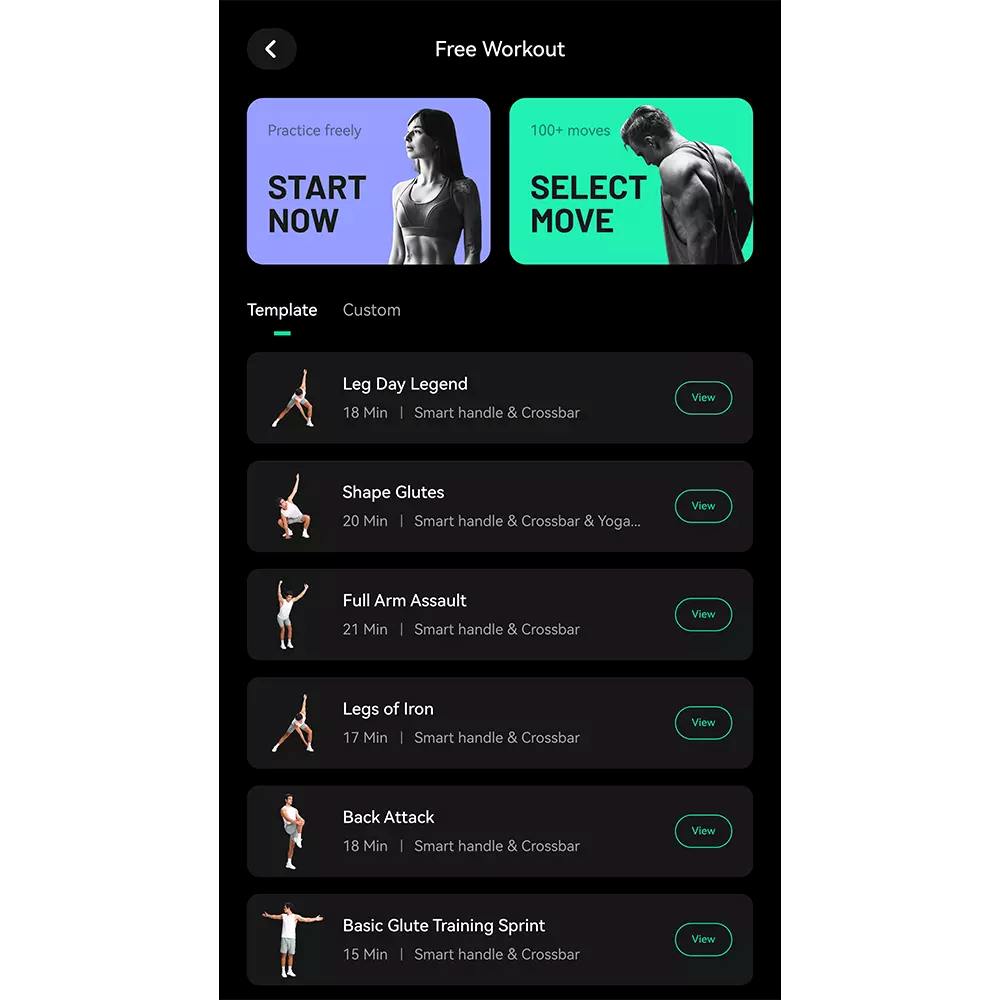
The most sophisticated equipment in the world won’t move you toward your goals without a structured, evolving plan behind it. Custom workout plans bridge the gap between owning smart gear and actually using it effectively. In a small apartment, this means designing routines that work within your physical constraints—limited floor space, noise considerations, and shared walls—while still delivering progressive challenge. The key is treating your plan as a living document rather than a fixed schedule, updating it regularly based on the performance data your smart devices collect.
Leveraging Apps for Personalized Routines
Several apps excel at generating routines tailored to your specific equipment and environment. Trainerize and Future connect you with real coaches who program around your gear list and space. Caliber and Hevy let you build self-directed plans while logging every set and rep automatically. When setting up any of these platforms, input your actual constraints upfront: available floor space, equipment owned, noise sensitivity, and session length. Most apps include a “home gym” or “minimal equipment” filter—use it, then further refine by deselecting exercises that require space you don’t have. Sync the app to your wearable so heart rate and recovery data feed directly into your programming recommendations, letting the algorithm adjust intensity week over week without manual recalculation.
Ensuring Workout Diversity and Using Analytics
Boredom and plateaus share the same root cause: predictability. Rotating between HIIT circuits, resistance training, yoga flows, and mobility sessions keeps both your body and your motivation responding. With minimal equipment, this variety is entirely achievable—a set of adjustable dumbbells and a resistance band can fuel completely different sessions on back-to-back days simply by changing tempo, rest periods, or movement patterns.
Your smart devices generate the data that makes intelligent rotation possible. Review weekly analytics for three key signals: resting heart rate trends (rising values indicate under-recovery), strength progression per exercise (stagnation beyond two weeks signals a need for load or volume change), and session completion rates (consistently skipping certain workouts reveals scheduling or motivation mismatches). When you spot a plateau, adjust one variable at a time—increase resistance, shorten rest intervals, or swap a movement pattern—rather than overhauling the entire plan. This methodical approach, guided by real data rather than guesswork, keeps progress consistent and your small-apartment gym genuinely working for you.
Your Path to a Smarter, Compact Home Gym
Building a smart home gym in a small apartment is entirely achievable when you approach it methodically. Start by honestly assessing your available space and defining specific fitness goals—those two steps alone will save you from costly, space-wasting mistakes. Choose equipment that earns its footprint through versatility, whether that’s adjustable dumbbells, a foldable rower, or a compact cable system. Then layer in smart technology to create a connected ecosystem where your devices, apps, and wearables communicate seamlessly, turning raw effort into measurable progress.
The real power of this setup lies in the data. When your workouts are tracked, analyzed, and adjusted automatically, progress stops being a matter of guesswork and becomes a predictable outcome. Embracing a 6-dimensional fitness approach—one that balances strength, cardio, flexibility, balance, speed, and recovery—ensures your small-space gym delivers comprehensive results rather than narrow gains.
Don’t wait until you have the perfect budget or the ideal floor plan. Start with one or two foundational pieces, connect them to a fitness app, and build from there. A phased setup keeps costs manageable while letting your routine develop naturally. The strategies outlined in this guide give you everything you need to transform even the most compact apartment into an efficient, high-tech fitness space that works as hard as you do. Take the first step today.