 Isaiminia World Breaking News & Top Stories
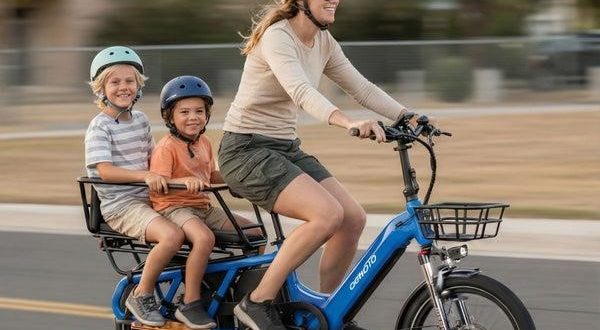
Have you ever cut a camping trip short because your backpack was too heavy, or missed a perfect trail because your bike simply couldn’t carry everything you needed? Traditional bikes force a brutal compromise: travel light and sacrifice comfort, or load up a trailer and sacrifice agility. There has to be a better way.
Enter the cargo ebike — a purpose-built machine that’s quietly revolutionizing how outdoor enthusiasts explore the world. By combining electric pedal assist with a heavy-duty frame and serious carrying capacity, it promises to eliminate the gear-hauling headaches that hold so many adventurers back.
But is it actually the right tool for your adventures, or just an expensive novelty? This article cuts through the noise to give you a clear, honest answer. We’ll start by defining exactly what a cargo ebike is and what sets it apart, then move through its real-world advantages for adventure seekers. From there, we’ll break down the essential features to look for — durability, motor performance, long-range battery, Shimano gearing, and hydraulic disc brakes — before comparing it against other bike options and wrapping up with a practical buying guide to help you make a confident decision.
What is a Cargo Ebike and Why It’s Different
A cargo ebike is a purpose-engineered electric bicycle designed to carry substantial loads while keeping the rider in full control. Unlike a standard e-bike bolted with an afterthought rack, a true cargo ebike is built from the ground up with an oversized frame, reinforced mounting points, and integrated front or rear cargo platforms — sometimes both. The electric assist motor works in harmony with this extra weight, delivering smooth, consistent power rather than fighting against it.
Compare this to a standard electric bike, which prioritizes lightweight commuting and offers minimal carrying capacity. Traditional cargo bikes, meanwhile, handle heavy loads brilliantly but rely entirely on your legs — a brutal ask on a mountain pass with 30 kilograms of camping gear. A cargo ebike bridges that gap directly. It eliminates the need for a separate trailer, which reduces your overall footprint on narrow trails and keeps handling predictable. The lower, centralized weight distribution of a dedicated cargo frame also improves stability on uneven ground, something a trailer-equipped bike simply cannot replicate. For adventure seekers, this translates to genuine freedom: bring the full kit, ride further, and arrive ready to enjoy the destination rather than recover from the journey.
Top Advantages of a Cargo Ebike for Adventure Seekers
The most immediate win is raw carrying capacity. A cargo ebike lets you bring a full tent, sleeping system, cooking setup, and camera gear without agonizing over every gram. Multi-day bikepacking trips become genuinely comfortable rather than an exercise in minimalist suffering. Photography enthusiasts can carry tripods, multiple lenses, and drone equipment. Family adventurers can load up supplies for a weekend without leaving anything behind.
Stability is the second major advantage, and it’s one that surprises most first-time riders. A dedicated cargo frame positions weight low and centered, keeping the bike planted on loose gravel, rooted singletrack, and uneven coastal paths. Compare that to a standard bike with a heavily loaded rear rack, where the high center of gravity makes handling twitchy and unpredictable on descents.
Then there’s the electric assist itself — arguably the feature that transforms adventure riding most dramatically. Steep mountain passes, grinding headwinds, and long flat stretches that would destroy your legs on a loaded traditional bike become manageable, even enjoyable. You arrive at camp with energy left to actually explore, not just collapse in your tent. This directly enables longer, more ambitious expeditions that simply weren’t practical before.
Finally, versatility sets cargo ebikes apart across adventure types. The same bike handles a coastal loaded tour on Monday, a forest trail exploration on Wednesday, and a family supply run on the weekend. Few single vehicles cover that range of use cases as effectively.
Essential Features for Your Off-Road Adventure Ebike
Durability and Frame Design: Built for the Tough Stuff
The frame is the foundation everything else depends on. For off-road adventure use, look for either high-tensile steel — which absorbs trail vibration naturally and handles impacts well — or aircraft-grade aluminum alloy, which delivers a superior strength-to-weight ratio. What separates a true adventure cargo ebike from a glorified commuter is reinforced cargo mounting points that won’t flex or crack under repeated heavy loads. Inspect welds closely and check whether the manufacturer offers a dedicated frame warranty covering off-road use. A lifetime or five-year frame warranty signals genuine confidence in the build quality.
The Heart of the Ride: Motor and Long-Range Battery Performance
Mid-drive motors sit at the bike’s center of gravity and leverage the drivetrain directly, producing superior torque on steep climbs — the clear choice for loaded off-road riding. Hub motors are simpler and cheaper but struggle on technical terrain with heavy cargo. For battery capacity, a practical rule applies: multiply your planned daily distance by roughly 20–25 Wh per kilometer on mixed terrain, then add 30% buffer for headwinds, extra weight, and elevation gain. A 750Wh removable battery covers most two-to-three day expeditions comfortably. Removability matters — you can charge it inside a tent or cabin rather than hunting for an outlet near your bike. Brands like Cemotobike have built their adventure-oriented cargo ebikes around exactly this principle, pairing high-capacity removable batteries with mid-drive motors to keep multi-day expeditions viable.
Control and Reliability: Gearing and Braking Systems
Wide-range gearing is non-negotiable when you’re hauling 25 kilograms of gear up a 15% grade. A Shimano drivetrain — whether a Deore or Alivio groupset — delivers proven reliability, precise shifting under load, and global spare parts availability. When evaluating gearing, test shifts while applying pedal pressure, not just at a standstill. Skipping or hesitation under load signals a setup that will frustrate you mid-climb. For brakes, hydraulic disc brakes are the only sensible choice on a loaded adventure bike. They provide consistent, modulated stopping power regardless of weather, rim contamination, or rim heat buildup on long descents. Test brake modulation by applying gradual pressure — you should feel progressive resistance, not an abrupt on/off response.
Tires, Suspension, and Load Accessories
Tires do more work than any other component on mixed terrain. Choose knobby, puncture-resistant tires in the 2.0–2.4 inch range, which balance grip on loose surfaces with rolling efficiency on hardpack. Front suspension forks absorb trail chatter and reduce arm fatigue on extended rides, while a suspension seatpost is a cost-effective alternative if a rigid fork is unavoidable. For cargo accessories, waterproof panniers with quick-release mounting keep gear dry and accessible. Heavy-duty straps with integrated tie-down points secure awkward loads like tripods or rolled sleeping pads. If family adventures are on the agenda, verify the frame’s compatibility with certified child seat mounting systems before purchasing — not all cargo platforms are rated for passenger use.
Cargo Ebike vs. Other Adventure Bike Options
Choosing the right adventure bike comes down to matching the tool to the task. A standard mountain ebike is lighter, more agile, and handles technical singletrack with greater precision — but its cargo capacity tops out at a small saddlebag and a handlebar roll. If you’re planning a gear-heavy multi-day expedition, that agility advantage evaporates the moment you start leaving essential kit at home.
Traditional touring bikes occupy an interesting middle ground. They’re purpose-built for long-distance travel with loaded panniers and have decades of refinement behind them. The catch is obvious: no electric assist. On a flat route with favorable winds, that’s manageable. Add a loaded bike, a mountain pass, and a headwind, and the physical toll compounds quickly — especially on back-to-back riding days.
Lightweight gravel bikes are the least suitable comparison. They’re optimized for speed and efficiency on mixed surfaces with minimal weight. Strapping a heavy load onto a gravel bike fundamentally compromises what makes it good in the first place.
The cargo ebike wins decisively in three specific scenarios: when your adventure demands substantial gear, when your route mixes pavement with unpaved terrain, and when you need electric-assisted range to reach remote destinations without exhaustion. It’s not the right choice for pure technical trail riding or ultralight racing, but for the adventurer who wants to go further, stay longer, and carry everything needed to do it comfortably, nothing else competes as directly.
Your Practical Guide to Choosing the Right Cargo Ebike
Knowing what a cargo ebike can do is one thing — finding the right one for your specific adventures is another. Work through these steps before committing to a purchase.
Start by defining your primary use case with honest specificity. Are you planning solo bikepacking expeditions on mixed terrain, family weekend rides, or photography-heavy day trips? Your answer directly determines which features deserve the most budget. A solo bikepacker prioritizes battery range and tire clearance; a family adventurer needs a higher payload rating and child seat compatibility.
Next, set a realistic total budget that accounts for the bike itself, essential accessories — panniers, lights, a quality lock — and first-year maintenance. Hydraulic brake bleeds and drivetrain servicing add up, so factor in roughly 10–15% of the bike’s cost annually for upkeep.
From the features covered earlier, rank your non-negotiables. If your routes include steep climbs, mid-drive motor and wide-range Shimano gearing move to the top. If you ride in wet conditions regularly, hydraulic disc brakes and sealed bearing hubs become critical.
Research brands by seeking reviews from actual adventure riders, not just commuters. Look for long-term ownership reports that mention how the bike holds up after a full season of loaded riding.
Always arrange a test ride with weight on the bike — ideally close to your planned load. Pay attention to how the frame handles cornering and whether the brakes feel progressive under gradual pressure.
Finally, confirm after-sales support before buying. A brand with local service partners or a strong direct-support program protects your investment when components need attention far from home.
The Cargo Ebike Advantage: Making Your Adventure Decision
For adventure seekers who demand more from their rides — more gear, more terrain, more distance — a well-equipped cargo ebike isn’t just a compelling option. For many, it’s genuinely the best one. No other single vehicle combines the carrying capacity to bring everything you need, the electric assist to conquer loaded climbs without destroying your legs, and the stability to handle unpaved terrain confidently. That’s a rare combination, and it’s exactly what ambitious outdoor adventures demand.
The features that make it work aren’t optional extras — they’re the foundation. A durable aluminum alloy or steel frame handles the punishment of loaded off-road riding. A long-range removable battery keeps multi-day expeditions viable. Reliable Shimano gearing shifts cleanly under load when it matters most. Hydraulic disc brakes deliver the consistent, modulated stopping power that keeps you safe on descents in any weather. Together, these components transform a promising concept into a genuinely capable adventure machine.
Now it’s your turn to apply this. Map your specific adventures against the features outlined here, identify your non-negotiables, and use the buying guide steps to find the bike that matches your ambitions. The trails, coastlines, and mountain passes you’ve been compromising on are waiting — a cargo ebike might be exactly what removes the last obstacle between you and them.