Isaiminia World Breaking News & Top Stories

Key Takeaways
- Identify the source of discomfort before purchasing new equipment or insulation.
- Air sealing and insulation work together to reduce drafts, heat loss, and uneven temperatures.
- Attics, crawlspaces, rim joists, ducts, windows, and doors all affect whole-home comfort.
- Colorado’s strong sun, dry climate, wind, snow, and rapid temperature changes require a balanced plan.
- Check available rebates and assistance requirements before work begins.
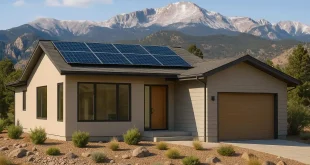
Colorado homes face a demanding mix of cold winters, intense sunshine, dry indoor air, wind, snow, and warm afternoon temperature swings. A room can feel chilly near an exterior wall in the morning, then become uncomfortably warm by late afternoon. Improving comfort starts with treating the home as a single connected system, not simply by turning up the thermostat. Whether you are planning small fixes or a larger upgrade, a whole-home approach can prevent wasted effort. Homeowners researching Insulation Denver Colorado should look beyond insulation depth alone and consider air leaks, moisture, ventilation, ducts, and the condition of the home’s exterior envelope.
Why Colorado Homes Need A Different Plan
The building envelope includes the roof, attic, walls, windows, doors, floors, and foundation. When any part of the home is poorly sealed or insulated, it can affect the rest of the home. A furnace may be operating normally while rooms still feel uncomfortable because heat is escaping through the attic, cold air is entering through gaps around the rim joist, or the sun is overheating west-facing glass. Dry air can make a home feel cooler, while freeze-thaw cycles and wind can expose gaps around exterior openings. The goal is not merely to make a house tighter. It is to control where air, heat, and moisture move.
Start With A Home Energy Check
Before selecting products, inspect the home for the biggest comfort and efficiency problems. A professional energy assessment may include insulation measurements, blower door testing, thermal imaging, duct checks, combustion-safety testing, and a review of moisture risks. ENERGY STAR offers a useful guide for matching symptoms such as drafts, cold floors, and high bills to likely problem areas in the home.
Signs Worth Investigating
- Bedrooms that remain hot or cold all day.
- Drafts near baseboards, doors, outlets, or window trim.
- Cold floors above a garage, basement, or crawlspace.
- Ice buildup, staining, or damp insulation in the attic.
- Dusty air, unusual odors, or high utility bills.
Find And Seal Major Air Leaks
Insulation slows heat transfer, while air sealing limits uncontrolled air movement. Both are necessary. Common leaks occur at attic hatches, recessed lights, plumbing penetrations, wiring holes, chimney openings, sill plates, rim joists, and duct chases. On a windy day, carefully check for drafts around doors and windows and look for visible daylight at exterior openings. Weatherstripping, door sweeps, and properly applied caulk can help with simple gaps. Do not seal combustion-air openings or ventilation paths without professional guidance, particularly when gas appliances are present.
Focus On The Attic First
Because warm air rises, the attic is often one of the most important places to improve. Seal ceiling-plane penetrations before adding more insulation. Then, weatherstrip and insulate the attic access, install baffles to protect soffit ventilation, and add insulation evenly without leaving thin spots or compressing the material. For example, an upstairs bedroom that overheats in summer and a nearby hallway that feels cold in winter may have uneven attic insulation, gaps around light fixtures, or both. Fixing only one issue may deliver limited results.
Check Crawlspaces And Rim Joists
Crawlspaces and rim joists can lead to cold floors, drafts, odors, and moisture issues. Look for standing water, pests, mold, damaged wood, exposed ducts, missing vapor control, and gaps where pipes or wiring enter the home. The right solution depends on drainage, foundation design, local requirements, and whether the crawlspace is vented or sealed. Never cover a water or moisture problem with insulation. Resolve drainage issues, plumbing leaks, or foundation moisture first, then create a continuous thermal boundary with appropriate air sealing and insulation.
Choose Insulation Carefully
R-value matters, but installation quality matters just as much. The best option depends on the assembly, access, moisture conditions, safety needs, and budget.
- Fiberglass: Common for accessible attics, floors, and wall cavities. It must fit snugly and stay uncompressed.
- Cellulose: Often useful for attic upgrades and dense-packed walls. Proper density and moisture protection are essential.
- Spray foam: Can air seal irregular spaces and rim joists, but requires trained installation and attention to fire-safety details.
- Mineral wool: Offers sound and fire resistance and can work well in walls and basements, though accurate cutting is important.
Improve Windows, Doors, And Shading
Start with lower-cost repairs before replacing every window. Inspect caulk, weatherstripping, door sweeps, frames, and failed glass seals. South- and west-facing windows may drive solar overheating during sunny months, so shades, curtains, exterior shading, or targeted window improvements can make a noticeable difference.
Review Heating, Cooling, And Ventilation
After envelope improvements, heating and cooling equipment may run less often and maintain steadier temperatures. Replace filters regularly, inspect ducts in unconditioned areas, seal any accessible duct leaks with approved materials, and verify that kitchen and bathroom fans exhaust to the outdoors. A tighter home still needs healthy, controlled fresh air. Fuel-burning appliances should undergo combustion safety testing, and major air-sealing projects may require a ventilation plan to protect indoor air quality.
Use A Smart Upgrade Order
- Fix active water leaks and safety hazards.
- Complete an energy assessment or detailed inspection.
- Seal major air leaks.
- Improve attic, wall, floor, or crawlspace insulation.
- Seal and insulate exposed ducts.
- Address windows, doors, and solar gain.
- Fine-tune or replace heating and cooling equipment.
Review Rebates And Financing
Before signing a contract, review current federal, state, local, and utility incentives. Eligibility rules can depend on income, equipment type, energy ratings, contractor qualifications, pre-approval, and installation dates. The U.S. Department of Energy’s Weatherization Assistance Program is a helpful resource for qualifying lower-income households seeking energy-saving home improvements. Keep invoices, permits, product specifications, inspection reports, and before-and-after photos. These records can support rebate applications and make future maintenance easier.
Avoid Common Mistakes
- Adding insulation before sealing large air leaks.
- Blocking attic ventilation with loose insulation.
- Hiding moisture damage instead of fixing its source.
- Choosing materials by R-value alone.
- Ignoring ducts outside the conditioned space.
- Replacing windows before addressing simpler air-sealing repairs.
- Assuming air sealing eliminates the need for ventilation.
Final Checklist
A more comfortable Colorado home does not require every project to be done at once. Start by addressing the largest sources of heat loss and air leakage, keep insulation dry and continuous, protect proper ventilation and indoor air quality, and then evaluate heating and cooling system upgrades. Small improvements completed over time can add up to meaningful gains in comfort, energy efficiency, and long-term savings. Regular maintenance, seasonal inspections, and careful planning also help ensure that each upgrade works well with the rest of the home. A prioritized approach allows homeowners to invest wisely, improve year-round performance, and create a quieter, healthier, and more energy-efficient living space throughout 2026 and beyond.