 Isaiminia World Breaking News & Top Stories
Key Takeaways
- Pressure washing and soft washing use different levels of water force and different cleaning approaches.
- Concrete, pavers, and other durable surfaces may benefit from controlled pressure.
- Vinyl, painted surfaces, wood, and fragile materials often need lower pressure or a gentler method.
- Too much pressure can mark concrete, strip finishes, raise wood grain, loosen mortar, or force water into gaps.
- Responsible cleaning includes planning for runoff, landscaping, and nearby drains.
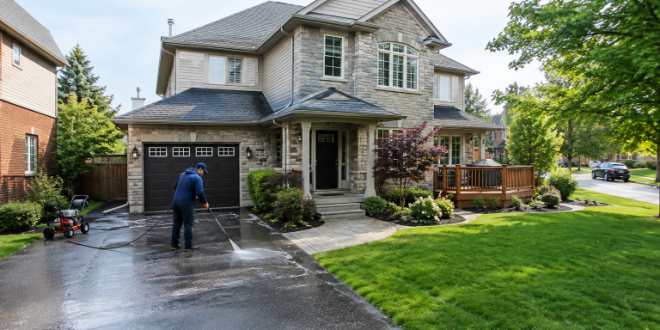
Exterior cleaning can make a home look well-cared-for, but the safest approach depends on the material being cleaned. Homeowners in Mississauga, Oakville, and nearby communities who are weighing their options can explore safe residential pressure washing from Dew Drop Home Services. Their service page explains professional exterior cleaning for surfaces such as driveways, decks, patios, siding, brick, stucco, and walkways, with an approach tailored to each surface’s condition.
Why the Cleaning Method Matters
Outdoor surfaces collect dirt, pollen, salt residue, algae, moss, mildew, oil, and weather-related stains. It is tempting to treat every problem with the strongest spray available, but force alone is not a complete cleaning strategy. The right method depends on the surface, its age and condition, the type of buildup, and what is located nearby.
Before any exterior cleaning begins, inspect for cracked siding, loose mortar, peeling paint, damaged caulk, weak deck boards, and open gaps around vents or windows. Cleaning can reveal existing deterioration, and a high-pressure stream may worsen a weak area. A small test area is often the best way to evaluate the intended approach before cleaning a larger section.
Pressure Washing and Soft Washing: What Is the Difference?
How Pressure Washing Works
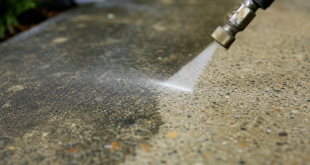
Pressure washing uses a focused stream of water to loosen and remove surface debris. It can be useful for durable materials such as concrete driveways, walkways, patios, and some brick or paver areas. Results depend on more than the machine setting. Nozzle selection, spray angle, distance from the surface, water flow, and the operator’s technique all affect how evenly and safely the area is cleaned.
Pressure can effectively remove visible grime, but it should be applied carefully. Holding a nozzle too close can leave lines or etched spots on concrete. On pavers, aggressive cleaning can displace joint sand. On brick, it can disturb loose mortar or expose areas that already need repair.
How Soft Washing Works
Soft washing uses lower-pressure water along with an appropriate cleaning solution to address organic buildup. As explained in this overview of soft washing methods, the process is generally associated with low-pressure application for cleaning exterior surfaces affected by algae, mildew, and similar stains.
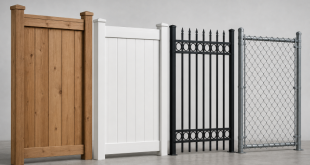
This gentler method may be better suited to vinyl siding, painted exteriors, fences, stucco, and other surfaces where strong water pressure could cause damage. The solution, dilution, contact time, and rinse process still matter. Homeowners should read the product directions, test an inconspicuous spot, and avoid assuming chemicals are harmless simply because the water pressure is low.
Which Method Fits Common Home Surfaces?
- Concrete driveways: Controlled pressure washing can address embedded dirt, tire marks, and general grime. Avoid concentrating the spray on weak, cracked, or patched areas.
- Brick walkways: Moderate pressure and careful rinsing may be appropriate when the brick and mortar are sound. Loose mortar or damaged brick should be repaired first.
- Vinyl siding: Low-pressure cleaning or soft washing is usually the more cautious choice. Spray direction matters because water should not be driven upward into panel seams.
- Wood decks: Low pressure is important to reduce the risk of gouges, raised grain, and finish loss. Allow the wood to dry fully before staining or sealing.
- Stucco: Gentle cleaning and a test area are sensible because cracks, loose finish, and water intrusion require extra care.
- Patios and pavers: Pressure washing can be useful, but protect joints and expect that joint sand may need attention after cleaning.
When Pressure Washing Makes Sense
Pressure washing is useful for removing heavy dirt, algae, tire marks, or stains on hard surfaces, especially when a hose can’t. It’s also used to prepare surfaces before sealing, staining, or repainting if the material is sound and dry. Begin with the gentlest setting and work systematically. Use a wider spray and distance to reduce impact; increase power only if the surface responds well.
When Soft Washing May Be the Better Choice
Soft washing may be preferable when organic growth covers delicate siding, fences, painted materials, or areas with seams and gaps. It can also be a better fit for older surfaces that are difficult or costly to repair. The goal is not merely to blast away what is visible, but to use a method compatible with the surface and type of staining.
How to Avoid Surface Damage
- Identify the material. Concrete, wood, vinyl, brick, stone, and stucco do not respond the same way to water pressure or cleaning products.
- Check the condition. Note cracks, loose boards, failed caulk, peeling paint, weak mortar, and damaged coatings.
- Test a small hidden area. Confirm that the pressure, solution, and spray pattern do not leave marks or discoloration.
- Protect nearby areas. Move furniture, close windows, cover sensitive items, and take care around plants.
- Keep clear of electrical fixtures. Exterior outlets, lighting, and other electrical components should not be directly sprayed.
Why Runoff Control Belongs in the Cleaning Plan
Cleaning water can carry dirt, paint chips, oil, and cleaning products away from the work area. The EPA notes that pressure-washing work involving lead-related renovation requirements must contain dust, debris, and wastewater, and that wastewater should be disposed of properly under local guidance. Its guidance on pressure-washing containment reinforces the need for runoff planning before work begins.
- Keep wash water and debris away from storm drains when possible.
- Use barriers, absorbent materials, or collection methods when conditions call for them.
- Use cleaning products only as directed and avoid unnecessary chemical use.
- Protect gardens, lawns, pets, and nearby waterways from overspray and runoff.
- Check local wastewater disposal requirements when the job creates significant runoff.
Common Mistakes Homeowners Make
- Using the highest pressure setting on every surface.
- Holding the nozzle too close to wood, painted materials, siding, or mortar.
- Skipping a surface inspection and cleaning damaged areas without repairs.
- Ignoring vents, windows, exterior outlets, and lighting fixtures.
- Letting dirty water run directly toward doors, garages, or storm drains.
- Staining or sealing a deck before it has dried completely.
When to Hire a Professional
Professional help is worth considering when a property has several different surface types, heavy organic growth, steep or difficult-to-access areas, older paint, large decks, or runoff concerns. A trained exterior-cleaning technician can evaluate the material, adjust equipment settings, select an appropriate cleaning process, and avoid using a single aggressive method throughout the property.
Questions Homeowners Often Ask
Is pressure washing safe for every surface?
No. The safe approach depends on the material, finish, age, and condition. Some surfaces need low-pressure or soft washing instead.
Can pressure washing remove mold and algae?
It can remove visible buildup from many hard surfaces. Organic growth may also require a suitable cleaning solution and adequate contact time.
How often should outdoor surfaces be cleaned?
There is no universal schedule. Shade, tree cover, rainfall, surface material, foot traffic, and nearby vegetation all affect how quickly buildup returns.
Choose the Gentlest Effective Method
The best exterior cleaning method is not always the strongest one. Careful inspection, thoughtful surface testing, controlled pressure, and responsible runoff handling can help homeowners achieve cleaner results while protecting the materials that make up their homes.