 Isaiminia World Breaking News & Top Stories
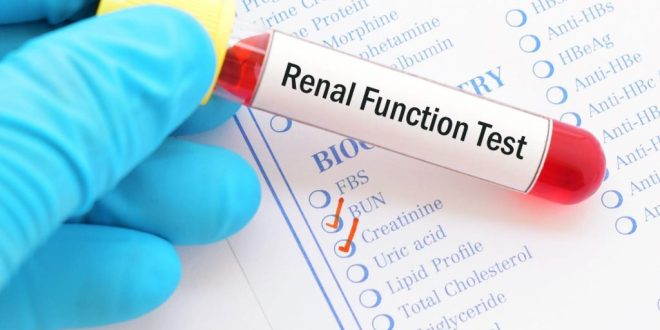
When you feel washed out after a long commute in the heat or you’re dealing with a nagging urge to pass urine, it’s natural to wonder what your kidneys are signalling. A Renal Function Test (RFT), often referred to as a KFT test, doesn’t diagnose conditions by itself. Yet, it offers useful clues about hydration status and whether the kidneys are under strain. Readings from the report can help you and your clinician decide if further checks, especially urine studies, are sensible.
What a KFT/RFT Typically Measures
A KFT/RFT provides a snapshot of how efficiently the kidneys filter and how balanced your internal fluids are. While individual laboratories may label panels differently, the core markers usually include:
- Serum Creatinine: A commonly used indicator of filtration efficiency, interpreted alongside your hydration, body composition, and medicines.
- Estimated GFR (eGFR): A calculation derived from creatinine and other inputs; trends over time matter more than a single reading.
- Blood Urea: Reflects protein breakdown and filtration; can swing with diet and hydration.
- Uric Acid: Shows how well your kidneys clear this waste; read it together with the other test results.
- Electrolytes (Sodium, Potassium, Chloride, Bicarbonate): Help regulate fluid balance and acid–base balance, which can shift with dehydration, fever, or medications.
- Urine Protein/Albumin (If Reported With the Panel): If your test shows protein (albumin) in your urine, even a small amount, it can mean your kidneys are a bit stressed. It’s usually not urgent; just repeat the test and book a routine follow-up.
How Dehydration can Show up in KFT Reports
Dehydration is common in India, think hot afternoons, long office commutes, or a bout of loose motions after street food. In such settings, a KFT may show patterns your clinician will recognise:
- Concentration Effects: When you’re low on fluids, some markers can appear higher than your usual baseline simply because the blood is more concentrated.
- Electrolyte Shifts: Dehydration may be accompanied by changes in sodium or other electrolytes; interpretation depends on your overall context.
- Trend Sensitivity: A one-off change after a strenuous run in humid weather can look very different from a steady drift across several reports.
A KFT test does not label you “dehydrated.” It offers a set of values your clinician reads in light of symptoms such as thirst, darker urine, dizziness, or reduced output, plus details like recent travel, fasting, or heavy exercise.
How UTIs Intersect With Kidney Panels
A urinary tract infection (UTI) is usually evaluated with urine tests and clinical assessment. A KFT alone does not diagnose a UTI. However, kidney-related markers can add context:
- Kidney Stress Signals: If an infection is suspected, particularly with fever, burning, or flank discomfort, your clinician may look at the KFT to understand how the kidneys are coping.
- Hydration and Fever: During illness, fluid intake can drop, which may affect KFT values. A panel taken in the middle of a febrile episode might look different from one taken when you’re well hydrated.
- Urine Findings: If your lab provides urine protein/albumin or a related ratio with the panel, even small changes can be early clues to discuss (not confirmations).
If your symptoms point towards a UTI, the usual next steps are targeted urine studies. The KFT simply rounds out the picture, so decisions about timing and follow-up are clearer.
Reading Patterns Without Over-Interpreting
It’s easy to fixate on “high” or “low” tags in a PDF. A steadier approach is to read the report like a trend chart:
- Compare Like With Like: If your last test was after a fast, and this one followed a heavy breakfast and a cycle ride, differences may reflect timing rather than an actual change.
- Look Across Markers: Creatinine, eGFR, urea, and electrolytes talk to each other. One result rarely tells the whole story.
- Match With Real Life: Heatwaves, monsoon humidity, gastro episodes, or new gym routines can all nudge numbers temporarily.
- Do Not Self-Adjust Medicines: Treat the report as input for a clinician conversation, not a DIY guide.
Checklist Before you Give a Sample
Here are a few tips that you should keep in mind before giving a sample:
- Hydrate Sensibly: Unless told otherwise, usually arrive hydrated. Avoid extreme dehydration or over-hydration on the day.
- Follow Fasting Instructions: Some KFT/RFT panels do not require fasting; if your booking slip says otherwise, follow the timing.
- List Your Medicines and Supplements: Share this with the lab and your clinician; any pause should be on professional advice only.
- Keep Conditions Similar for Retests: Matching time of day and routine makes comparisons more reliable.
- Carry Previous Reports: Trends over months often speak louder than a single value.
When to Share Results Promptly With Your Clinician
Here are the situations when it becomes mandatory to share the report as soon as possible:
- Persistent Thirst, Dizziness, or Very Dark Urine With Unusual KFT Values: Could point to dehydration that needs a measured plan.
- Burning, Frequency, or Fever With Report Changes: Suggests checking urine studies for a possible UTI while noting how the kidneys are coping.
- A Drift Across Multiple Panels: A subtle downward trend in eGFR or consistent creatinine changes deserves timely review.
- Electrolyte Variations: These should be read in the context of symptoms, diet, and prescriptions.
None of the above confirms a diagnosis; they simply signal the right moment for professional guidance.
Conclusion
A Renal Function Test is a practical way to understand how your kidneys are managing daily demands, from hot weather dehydration to suspected infections that need urine-based confirmation. A KFT test does not diagnose dehydration or UTIs on its own, but it frames a clearer conversation about next steps, timing, and follow-up.
If convenience keeps you consistent, you can book Renal Function Test online / book RFT test online or book KFT test online through a reputable provider and carry the report to your appointment. Lupin Diagnostics can be part of that plan, providing a structured way to track results over time while keeping decisions firmly clinician-led.
Disclaimer: The article is for general awareness. It is not medical advice and should not be taken to diagnose any medical condition or make a decision on treatment. Personal advice should always be provided by a medical professional. Your clinician should interpret the results of laboratory tests and their reference ranges.