 Isaiminia World Breaking News & Top Stories
Key Takeaways
- Tamper-resistant fasteners can discourage casual tampering, theft, and vandalism by requiring less common tools or more effort to remove.
- The right fastener depends on the risk, mounting surface, weather exposure, load, and maintenance schedule.
- Frequently serviced equipment often needs removable or captive hardware rather than permanent fasteners.
- Fastener security works best when paired with a sound enclosure, strong substrate, controlled tools, and routine inspections.
- Material compatibility and corrosion resistance are as important as drive style in outdoor installations.
Public fixtures, utility enclosures, signs, kiosks, access panels, lighting covers, and shared equipment all rely on small pieces of hardware to stay secure. A carefully selected fastener from Bryce Fastener can help make unauthorized removal more difficult while still allowing trained personnel to perform needed service.
The goal is not to treat any screw, bolt, or nut as invulnerable. Tamper resistance is a practical deterrent. It increases the time, effort, skill, or specialized tooling required to open a fixture, remove a component, or access an enclosure.
Why Fastener Choice Matters in Shared Spaces
Ordinary screws can become an easy entry point on benches, restroom fixtures, electrical covers, outdoor signs, and public-facing equipment. When hardware loosens or disappears, the result may be an unstable fixture, exposed wiring, water intrusion, missing parts, or a repair that could have been avoided.
A security drive alone cannot compensate for weak construction. If the panel is thin, the threads are stripped, the anchor is undersized, or the surrounding material is cracked, a more unusual screw head will not make the assembly dependable.
It is also important to use accurate language when evaluating tamper proof screws. Common security-drive bits may be widely available, so a drive that deters casual interference may not provide the same level of protection against a determined person with time and tools.
Common Types of Tamper-Resistant Fasteners
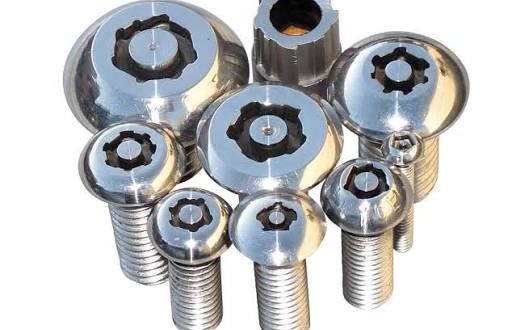
- Pin-in-hex and pin-in-star drives: A center pin prevents use of an ordinary hex key or star bit. These options are often suitable for panels and fixtures that require periodic removal.
- Spanner drives: Also called two-hole or snake-eye drives, these can be used on exposed covers, signs, and light-duty public fixtures.
- One-way fasteners: These are designed for installation with a conventional driver but are difficult to remove with the same tool. They fit low-service assemblies better than equipment requiring regular access.
- Shear-head fasteners: The installation head breaks away at a set point, leaving a smooth head that is difficult to grip.
- Captive fasteners: These remain attached to the panel during service, reducing the risk of screws being misplaced or dropped into equipment.
- Controlled-access drives: Specialized or proprietary drive systems can limit tool availability when a higher level of access control is needed.
Match the Fastener to the Risk
Start by considering who can reach the fastener, what may happen if the assembly is opened, and how long someone could work without being noticed. A risk-based approach helps avoid both under-specifying and over-specifying hardware.
- Low risk: A basic security drive may discourage casual interference on visible, regularly monitored fixtures.
- Moderate risk: Restricted-drive hardware can be suitable for public-facing equipment in lightly monitored areas.
- High risk: Combine specialized fasteners with stronger enclosures, controlled tool access, documented inspections, and suitable anchors.
- Critical equipment: Consider the full physical security design, including lighting, barriers, access control, monitoring, and alarms, where appropriate.
Review the Mounting Surface
The fastener, substrate, washer, insert, and enclosure should function as one system. Before ordering, verify the base material and thickness, available thread engagement, hole alignment, load direction, vibration exposure, and the need for washers, backing plates, inserts, or anchors. Also confirm that drilling or fastening will not contact wiring, pipes, seals, or moving components.
Consider Weather and Corrosion
Rain, humidity, condensation, road spray, salt air, cleaning chemicals, and changing temperatures can shorten the service life of exposed hardware. Outdoor assemblies should account for material selection, finish, moisture paths, and contact between dissimilar metals. Understanding how dissimilar metals corrode when they come into contact reinforces the need to inspect hardware before deterioration becomes a larger structural or safety problem.
Choose materials and finishes suited to the environment, consider isolation washers or protective coatings where dissimilar metals meet, and include exposed fasteners in the normal inspection schedule. A security drive is of limited value if corrosion makes authorized removal impossible or weakens the connection.
Plan for Authorized Maintenance
The most difficult fastener to remove is not always the best choice. A monthly service panel may need removable security screws or captive hardware, while a low-service sign or permanent cover may be a better candidate for one-way or shear-head fastening.
Keep clear records of the fastener type, size, material, finish, required driver, installation torque, approved personnel, replacement source, removal method, and inspection frequency. Store matching tools securely, but ensure authorized technicians can reach them during an urgent repair.
Installation Steps for Better Results
- Inspect the mounting surface for corrosion, cracks, stripped threads, and prior damage.
- Confirm diameter, thread type, length, head style, material, and finish before installation.
- Use the correct pilot hole, insert, anchor, or backing material for the substrate.
- Test the driver on a sample fastener, keeping it aligned with the drive recess.
- Apply the specified torque without over-tightening or damaging the threads.
- Check that the head seats properly and does not create a snag point or path for water entry.
- Record the installed hardware details for future inspections and repairs.
Safety and Equipment Protection
Fasteners may secure guards, covers, and access points, but they do not replace required safety procedures. In industrial environments, OSHA identifies self-locking fasteners as hardware used for energy-control applications and requires lockout and tagout devices to be durable and suitable for their environment. Tamper-resistant hardware should never be used as a substitute for lockout procedures, machine guarding, electrical safety requirements, or qualified maintenance work.
Questions to Ask Before Ordering
- Who can reach the fastener, and what could happen if the panel or fixture is opened?
- How often will authorized staff need access?
- Will the hardware be exposed to moisture, salt, chemicals, heat, vibration, or impact?
- What material supports the fastener, and is there enough thread engagement?
- Should the hardware be removable, captive, one-way, or permanent?
- Can replacement fasteners and approved tools be identified quickly?
Frequently Asked Questions
Are tamper-resistant fasteners completely tamper-proof?
No. They are intended to delay unauthorized access and discourage casual interference. A determined person with sufficient time, tools, and skill may still attempt removal.
Which fastener is best for outdoor use?
The best option depends on exposure conditions, mounting material, loading, corrosion risk, and maintenance needs. Drive pattern, material, and finish should be evaluated together.
Can security fasteners prevent theft on their own?
No. They are most effective as one part of a broader plan that includes strong enclosures, secure mounting, controlled access, inspection, and appropriate monitoring.
Conclusion
Choosing tamper-resistant fasteners is less about finding the most unusual screw and more about making a balanced design decision. When the threat level, mounting surface, climate, service schedule, and safety requirements are considered together, shared equipment can be harder to disturb while remaining practical to inspect and repair.