 Isaiminia World Breaking News & Top Stories
A standard boat dock may look like a good fit until the owner starts measuring the shoreline and planning where the boats will go. Different water depths, unusual property layouts, and specific boating needs can make a ready-made design less practical than expected. Understanding where standard configurations work and where customization makes a difference helps waterfront owners avoid paying for features they don’t need or missing ones they’ll use every day.
When Does a Standard Dock Configuration Make Sense?
Standard docks generally follow established dimensions and layouts, making them suitable for properties with straightforward access and common boating requirements. A rectangular platform or simple slip arrangement may work well along a protected shoreline with adequate water depth. Manufacturers can often produce these designs more efficiently because their framing dimensions and component arrangements follow existing specifications. Buyers comparing aluminum boat docks for sale may find standard configurations more affordable, particularly when they don’t need unusual dimensions or additional structural features. However, standard doesn’t mean every component is interchangeable. Flotation capacity, anchoring equipment, and installation requirements still need to match the site, even when the platform itself follows a familiar design.
Why Some Waterfront Properties Need a Custom Layout
Shorelines don’t always accommodate conventional dock shapes. Narrow waterfront lots, steep banks, underwater obstacles, and irregular property boundaries can limit where platforms and walkways fit. A custom configuration allows designers to adjust slip placement, gangway connections, and platform dimensions around these restrictions rather than forcing a standard structure into an unsuitable space.
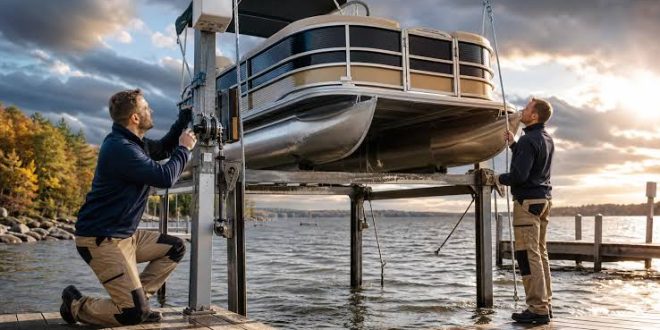
Boat ownership also affects the decision. Larger pontoons, multiple vessels, and boats with unusual boarding arrangements may require different slip widths or walkway positions. Custom aluminum docks can accommodate these requirements while preserving enough open water for turning and docking. Experienced floating dock builders examine the property and intended activities before determining which adjustments are necessary. A modest change in layout may solve an access problem without requiring an entirely different dock system.
The Cost Difference Isn’t Just About Size
Custom construction typically costs more when it requires additional design work, specialized components, or changes to established manufacturing methods. However, a standard dock can also become expensive if installers need extensive shoreline modifications, longer access walkways, or additional hardware to make it functional. Comparing prices requires looking at the complete installation rather than the platform alone. People researching aluminum docks for sale should request estimates that separate structural costs, flotation, anchoring, accessories, and installation. This makes it easier to identify whether customization provides a practical benefit or simply adds features that won’t receive much use. A carefully selected standard design may offer better value than a larger custom dock with unnecessary additions.
How Much Customization Does a Floating Dock Really Need?
Floating dock configurations require more than selecting the preferred shape. Water-level changes, anchoring requirements, and flotation placement can influence whether a standard platform works as intended. For example, a property with steep banks may need a longer gangway, while an exposed shoreline may require a different anchoring arrangement. An aluminum floating dock can follow changing water elevations, but its supporting components must accommodate the expected conditions.
Customization also affects how owners use the available deck space. Fishing areas, swimming access, covered boat slips, and outdoor seating all have different layout requirements. A custom design can separate these activities without making walkways unnecessarily narrow or placing equipment in inconvenient locations. Manufacturers of aluminum boat docks may offer established configurations with selectable features, allowing owners to make practical adjustments without starting every project from scratch.
Finding the Right Balance Between Standard Features and Custom Design
A well-planned dock doesn’t need to be completely customized to suit a waterfront property. Standard framing arrangements may provide the necessary structural support, while selected modifications improve boat access, slip dimensions, or shoreline connections. Property owners should identify which features solve actual problems before spending more on design changes. Flotation Systems offers different aluminum dock configurations, including floating systems and customized layouts for residential and commercial waterfront use. Its available designs give buyers a way to compare established options with adjustments suited to their property, helping them select a dock that meets their boating needs without adding unnecessary construction costs.