 Isaiminia World Breaking News & Top Stories
Key Takeaways
- Pressure washing is most appropriate for durable surfaces that can tolerate controlled force.
- Soft washing relies on low pressure and suitable cleaning solutions for more delicate materials.
- Testing a small, hidden area first can help prevent widespread damage.
- Preparation, protective equipment, and runoff control are essential parts of the job.
- Roofs, elevated areas, damaged materials, and uncertain surfaces may require professional help.
Keeping exterior spaces clean in Victoria, British Columbia, requires more than choosing the strongest machine available. From driveways and garden paths to siding, decks, and roofs, every material responds differently to water pressure, cleaning products, and spray technique. Homeowners who need help assessing a difficult job can explore professional Victoria pressure washing for a surface-specific approach to outdoor cleaning.
The goal is not simply to remove visible dirt. A good cleaning method helps preserve the surface underneath it. Too much pressure, the wrong nozzle, or a poorly aimed spray can scar concrete, strip paint, roughen wood, dislodge paver sand, or force water where it does not belong.
Why the Cleaning Method Matters
Pressure washing uses pressurized water to remove dirt, while soft washing employs lower pressure and a cleaning solution suited to the surface and stains. Neither method is automatically better; the appropriate choice depends on the material, its age, condition, existing coatings, and how firmly buildup is attached. Control is more important than force: an operator carefully adjusts nozzle, distance, spray, and pace, especially around cracked concrete, aged mortar, loose paint, weathered boards, window seals, and fixtures.
When Pressure Washing Makes Sense
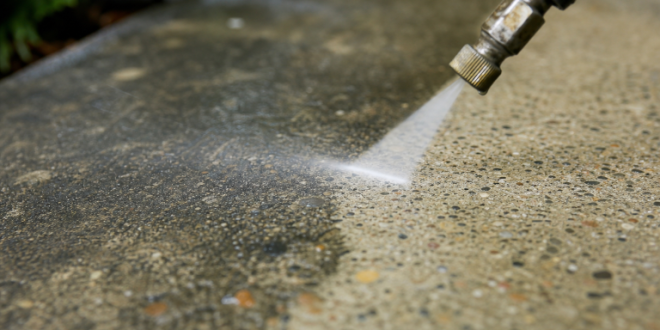
Pressure washing is practical for sturdy, non-painted outdoor surfaces like concrete driveways, walkways, stone paths, brick patios, and masonry features in Victoria. Surface cleaner attachments help maintain consistency on flat surfaces, but caution is needed for damaged sections, old concrete, worn pavers, or deteriorating brickwork.
Use a Deliberate Cleaning Pattern
Work in overlapping passes and keep the wand moving at a steady pace. For example, a deck can look worse after cleaning if the operator removes dirt in uneven bands, leaving visible stripes across the boards. A slower, consistent process usually creates a more uniform finish than rushing with a narrow, aggressive spray.
When Soft Washing Is the Better Choice
Soft washing is a safer option for surfaces that can be damaged by high pressure, such as painted siding, vinyl, stucco, fencing, weathered wood, and some roof materials. The cleaning solution, dwell time, and gentle rinse do most of the work, not force. Low pressure isn’t ineffective; it reduces the risk of damage like gouging, peeling, water intrusion, or wear. Always check manufacturers’ care instructions before cleaning, as material types dictate safe procedures.
Surface-by-Surface Cleaning Guide
- Concrete: Controlled pressure washing can remove surface grime. Avoid lingering in one spot, which can leave uneven marks or expose weak areas.
- Brick: Use low to moderate pressure and take care around mortar joints. Loose or crumbling mortar should be repaired before cleaning.
- Wood decks and fences: Favor low pressure and a broad spray pattern. Excessive force can raise the grain, create gouges, and cause splintering.
- Vinyl siding: Soft washing or gentle rinsing is usually the safer approach. Keep the spray directed downward to reduce the risk of pushing water behind panels.
- Stucco: Use soft washing because the textured finish can chip or crack under aggressive spraying.
- Roofing: Follow the roof manufacturer’s approved method. High pressure can damage some roofing materials and may create avoidable maintenance concerns.
- Pavers: Clean carefully to avoid washing out joint sand. Inspect for loose, shifted, or unstable pavers before starting.
How to Prepare Before Cleaning
A few minutes of preparation can make the project safer, faster, and easier to control. Complete this checklist before connecting the hose or adding cleaning solution:
- Inspect for cracks, rot, loose paint, weak mortar, damaged joints, and unstable materials.
- Move furniture, vehicles, toys, planters, and other removable items out of the area.
- Protect nearby plants and avoid applying products beyond the intended surface.
- Close windows and doors, and identify outdoor lights, outlets, vents, and electrical equipment.
- Read the equipment manual and cleaning product label, including dilution and handling instructions.
- Test the selected method on a small, discreet area before cleaning the full surface.
Common Pressure Washing Mistakes
- Using a narrow nozzle too close to the material.
- Starting at a higher pressure than the surface needs.
- Holding the spray in one place for too long.
- Spraying upward beneath siding panels or around vulnerable openings.
- Cleaning over failing paint, loose mortar, or rotten wood without repairs.
- Skipping the test patch.
- Using a chemical without confirming it is suitable for the surface.
- Ignoring where rinse water, debris, and cleaning products will flow.
Safety and Runoff Tips
A pressure washer is a power tool, not an ordinary garden hose. Wear eye protection, sturdy footwear with good traction, gloves appropriate for the task, and clothing that covers exposed skin. The CDC explains that high-pressure spray can cause serious wounds and electrical hazards, even when an injury initially looks minor.
- Keep children, pets, and bystanders away from the work area.
- Never point the spray at people, animals, windows, or electrical equipment.
- Keep electrical connections out of standing water and away from runoff.
- Do not operate a gasoline-powered pressure washer in an enclosed or partly enclosed space.
- Watch for slippery surfaces, hoses, and cords that could create trip hazards.
Also consider runoff before beginning. Water can carry dirt, oil, loose paint, detergent, and organic debris toward drains, planted areas, or neighboring property. Use only products suited to the job, minimize unnecessary water use, and avoid sending contaminated wash water where it can cause problems.
When to Hire Professional Help
Professional help is advisable for steep roofs, high siding, fragile materials, extensive staining, or uncertain damage. Before hiring, ask how the surface will be tested, whether pressure or soft washing will be used, how plants and windows will be protected, how wastewater will be managed, and if the provider is insured. A careful provider can clearly explain the process. No single pressure or chemical suits every Victoria home, patio, driveway, deck, or roof.
Final Thoughts
Safer exterior cleaning begins with matching the method to the material. Pressure washing can be highly useful on durable surfaces, while soft washing offers a gentler solution for delicate finishes. Inspect first, test carefully, protect the area, and use a controlled technique to keep your outdoor spaces looking cleaner without causing further damage.