 Isaiminia World Breaking News & Top Stories
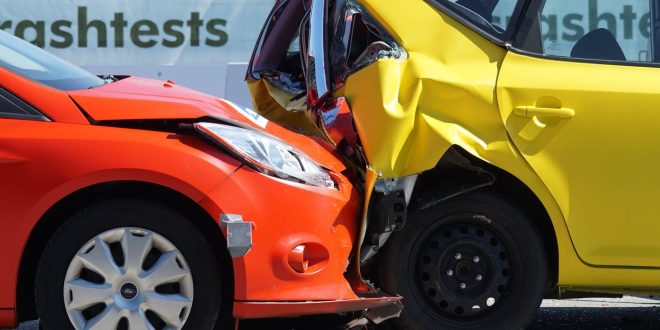
Curious about what happens to your car after the tow truck takes it away?
Nope. Most folks aren’t thinking about that after an accident. You’re too distracted by the aftermath: the shock, the pain, the insurance adjusters on the phone. But your car has its own post-crash journey. And where it goes from here could affect your pocketbook and your legal rights.
Immediately after your vehicle is damaged, chains of events are set in motion. Tow yards, adjusters, salvage auctions and body shops are now interconnected with your car. Learn how these processes work and you’ll save yourself a lot of money and frustration.
Let’s break it all down.
Here’s What You’ll Discover:
- What Happens Right After the Crash
- How Insurers Decide If Your Car Is “Totaled”
- The Salvage Yard Journey
- Why This Matters for Your Legal Rights
What Happens Right After the Crash
Moments after a serious accident there’s pandemonium. Afterward your vehicle is considered evidence.
That’s right — your damaged vehicle tells a story.
The crush zones, the paint scrape, the airbag explosion. Forensic scientists can determine how it happened just by looking at these things. That’s why you should never fix or junk your car following an accident.
The first thing that happens is your car will likely be towed to a storage yard or impound lot. They charge daily rates and those fees can accumulate quickly. People often don’t know their car is accruing storage fees from their hospital bed.
Suffering injuries and considering filing a car accident lawsuit? Now is the time to talk to a car accident attorney in Minneapolis. A car accident lawsuit can hinge on that vehicle evidence. However, that evidence won’t be around forever. Your car can tell investigators how fast you were going, what angle you hit, who was at fault. That evidence is destroyed when your car is crushed or repaired.
So don’t let anyone rush you into a quick decision.
How Insurers Decide If Your Car Is “Totaled”
Here’s where things get interesting.
Once your car has been involved in an accident, it will get visited by an insurance adjuster. Their role is simple: determine if your car is worth fixing or if it’s totaled.
This decision comes down to math.
Insurers balance repair costs with your vehicle’s actual cash value (ACV), or what your car was worth immediately before the accident. Every state sets a “total loss threshold.” Basically, when repair costs reach a certain percentage of your vehicle’s value, they total it.
In most states, that threshold sits between 70% and 75%.
But here’s what most people don’t know…
Cars are ending up totaled more often than ever these days. Based on a recent industry report, almost one quarter of crashed vehicles are now considered total losses, as frequency of total loss claims rises to 22.8%.
Why the increase?
Two big reasons:
- Older cars: Cars depreciate in value over time. A cheap older car takes less damage before becoming totaled. Seventy-two percent of totaled cars are over seven years old.
- Modern technology: Now bumpers include radar sensors and cameras. A minor scrape could leave you spending thousands of dollars in repairs.
Repairs also aren’t getting any cheaper. The average cost to repair a vehicle increased to approximately $4,768 in one year.
Tip: When your car is totaled, the insurance company reimburses you for the ACV — not what your car cost. This can be much, much less than you think, particularly if you have an outstanding loan.
The Salvage Yard Journey
So what happens to a totaled car?
It doesn’t magically disappear. It goes to a salvage yard, and this is where your car’s second life starts.
When your insurance company totals your car, they own it. They give you a cheque for the ACV in return. Your vehicle is branded with a “salvage title.”
From there, one of a few things happens:
- It gets auctioned: Your totaled car gets sold at auction to a salvage yard. Sometimes the buyer is someone who will rebuild your car or sell your parts.
- It gets parted out: Usable parts such as engines, doors and electronics are stripped and sold.
- It gets crushed: If there’s nothing to salvage, the car will be crushed and recycled for scrap metal.
Pretty wild, right?
Occasionally wrecked vehicles are rebuilt and returned to useable condition and are then sold with a “rebuilt title.” However, most states will not allow you to drive a salvage titled vehicle on public roads until it passes a new inspection.
Tip: If you loved your vehicle, you can sometimes buy it back from your insurer. This is referred to as the “owner- retention option”. You’ll receive the ACV less the salvage value.
Why This Matters for Your Legal Rights
Now for the part that really counts.
Your wrecked vehicle is more than junk metal. It’s potentially crucial evidence in your car accident lawsuit.
Think about it…
After a serious crash, when you file a claim the other side will dispute fault and how severe the collision was. Your car has the answers to both questions. Damage can be investigated to determine speed, angle, and force of impact.
But here’s the problem:
If your vehicle is crushed, sold, or repaired too soon, that evidence disappears. Forever. And your case could suffer.
This is why timing is everything. Take the time to consult with an attorney before you agree to the settlement or before your car gets crushed at the salvage yard so they can ensure the vehicle is properly documented.
It also doesn’t happen “once in a blue moon.” Serious crashes happen all the time. In just 2024 alone, there were an estimated 2.42 million people who were injured in motor vehicle traffic crashes throughout the United States. Millions of people every year who are dealing with damaged cars, injuries and insurance companies.
A car accident lawsuit can allow you to recover monetary damages you are owed — for your injuries, lost wages and your car’s actual value. However, it’s most effective when evidence is preserved from the beginning.
Wrapping Things Up
There it is – What Happens To Your Car After A Serious Accident
To quickly recap what happens:
- Your car gets towed and stored (racking up daily fees)
- An adjuster decides if it’s repairable or a total loss
- Totaled cars head to salvage yards to be auctioned, parted out, or crushed
- Your damaged car doubles as crucial legal evidence
The biggest takeaway? Don’t rush.
You may be inclined to grab the insurance cheque and walk away. But your car contains valuable evidence, and when it’s destroyed your power is gone. One in four cars involved in crashes today is totaled.
Don’t rush. Preserve your evidence. And if you were injured due to another’s negligence, know your rights before you release that vehicle.