 Isaiminia World Breaking News & Top Stories
Urban families across Europe and beyond are increasingly trading car keys for cargo bike handlebars. The cargo bike — Germany’s practical answer to family transportation — has surged in popularity as parents discover a smarter way to handle school runs, grocery trips, and weekend adventures without contributing to city congestion or carbon emissions.
But choosing the right cargo bike isn’t as simple as picking the most affordable model on the lot. Families face a genuine challenge: how do you find a bike that carries enough weight and volume for real daily logistics while keeping children and riders genuinely safe? A poorly chosen cargo bike can feel unstable under load, lack adequate stopping power, or simply outgrow its usefulness within a year.
This guide cuts through the complexity. Whether you’re a first-time buyer or upgrading from a basic model, you’ll find clear guidance on safety-critical features, cargo configurations, smart technologies, and a practical step-by-step selection process — everything you need to make a confident, well-informed decision for your family’s unique needs.
What is a Cargo Bike? A Family Ebike Revolution
A lastenfahrrad — literally “load bicycle” in German — is a purpose-built cargo bike designed to carry substantial weight beyond what a standard bicycle can manage. Originally developed for tradespeople and delivery services, the cargo bike has undergone a remarkable transformation into the family ebike of choice for urban households seeking practical, sustainable daily transport. Electric-assist motors have been the game-changer here, making it genuinely feasible for parents to pedal two children and a week’s worth of groceries up a city hill without arriving completely exhausted.
The appeal extends well beyond novelty. Families switching from a second car to a cargo bike typically save thousands annually on fuel, insurance, and parking — costs that compound significantly over time. From an environmental standpoint, replacing even a fraction of short car journeys with cargo bike trips meaningfully reduces household carbon output, a consideration that resonates strongly with today’s environmentally conscious parents.
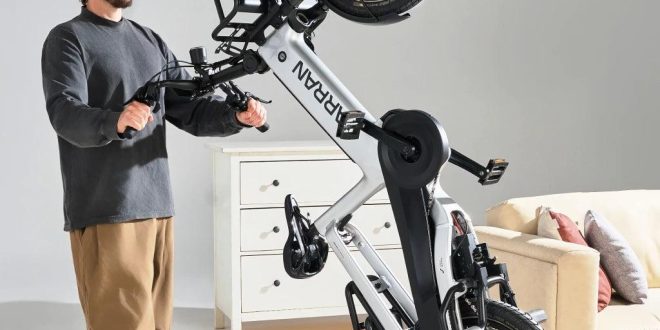
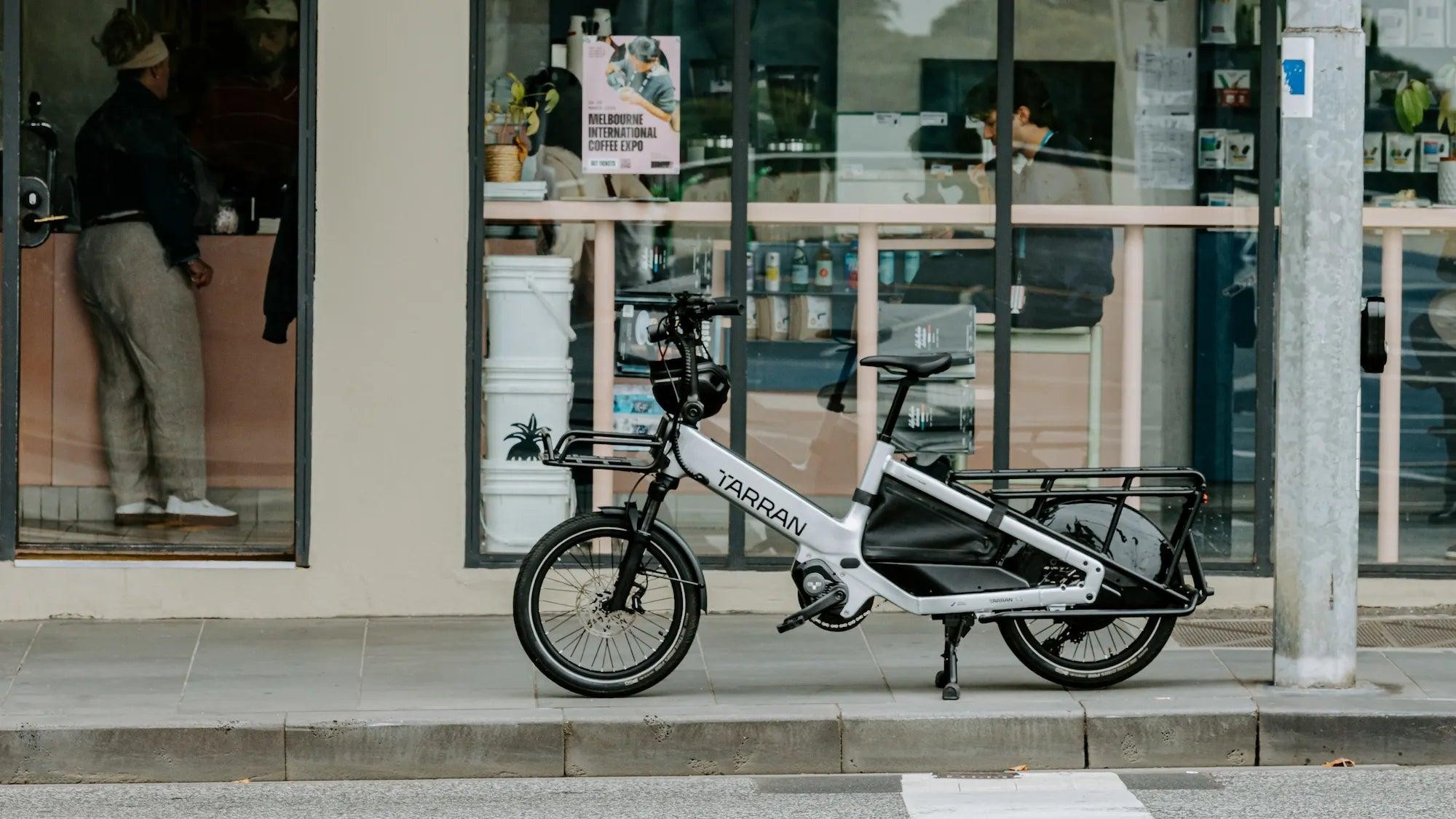
There’s also a lifestyle dimension worth acknowledging. Children who ride in cargo bikes develop an early familiarity with active, human-powered transport, and the daily school run becomes an opportunity for connection rather than a stressful commute. Modern family ebike models — including those from dedicated e-bike brands like TARRAN — now integrate seamlessly into urban infrastructure, fitting standard bike lanes and parking facilities while offering the carrying capacity that families genuinely need for real-world logistics.
Prioritizing Safety: Essential Features for Family Rides
When children are onboard, safety stops being a checkbox and becomes the deciding factor in every purchase decision. A cargo bike carrying 40 kilograms of children and cargo behaves fundamentally differently from a standard bicycle, and the features that keep that loaded bike predictable and controllable deserve serious scrutiny before you commit to any model.
Stability and Handling for Secure Transport
The foundation of cargo bike safety is geometry. Models with a low center of gravity distribute weight closer to the ground, dramatically reducing the tipping risk that plagues taller, rear-heavy designs. A longer wheelbase — the distance between front and rear axles — adds directional stability, particularly when navigating corners with a full load. Front-loading longtail designs typically excel here, keeping the cargo weight centered between the wheels rather than cantilevered behind the rider. Front suspension forks and integrated rear suspension further dampen road vibrations, which matters not just for child comfort but for maintaining consistent tire contact on uneven urban surfaces. When evaluating any model, pay attention to how the handling changes as load increases — a well-engineered frame should feel controlled and predictable whether carrying nothing or two children plus groceries.
Advanced Braking and Lighting Systems
Hydraulic disc brakes are the clear standard for loaded cargo bikes, and for good reason. Unlike mechanical disc or rim brakes, hydraulic systems deliver consistent, modulated stopping power regardless of wet conditions, rim contamination, or cable stretch — exactly the reliability you need when carrying irreplaceable passengers. Look for front and rear disc brakes with rotors sized appropriately for the bike’s maximum load rating; undersized rotors fade under repeated heavy braking on descents. Equally critical is visibility. Integrated lighting systems powered directly from the ebike battery eliminate the dead-battery problem that plagues clip-on lights, ensuring your family is visible during early school runs and winter evenings. Front and rear lights with automatic activation through ambient sensors, combined with reflective sidewall tires and frame-mounted reflectors, create a 360-degree visibility profile that proactively reduces collision risk in mixed urban traffic.
Cargo Solutions: Maximizing Space for Family Logistics
Safety keeps your family protected, but cargo capacity is what makes a cargo bike genuinely useful day after day. The right cargo solution transforms a bike from a novelty into a true car replacement — one that handles school bags, grocery hauls, sports equipment, and spontaneous weekend trips without compromise. Understanding the structural differences between cargo configurations helps you match a bike’s strengths to your household’s actual daily patterns rather than an idealized version of them.
Types of Cargo Boxes and Platforms
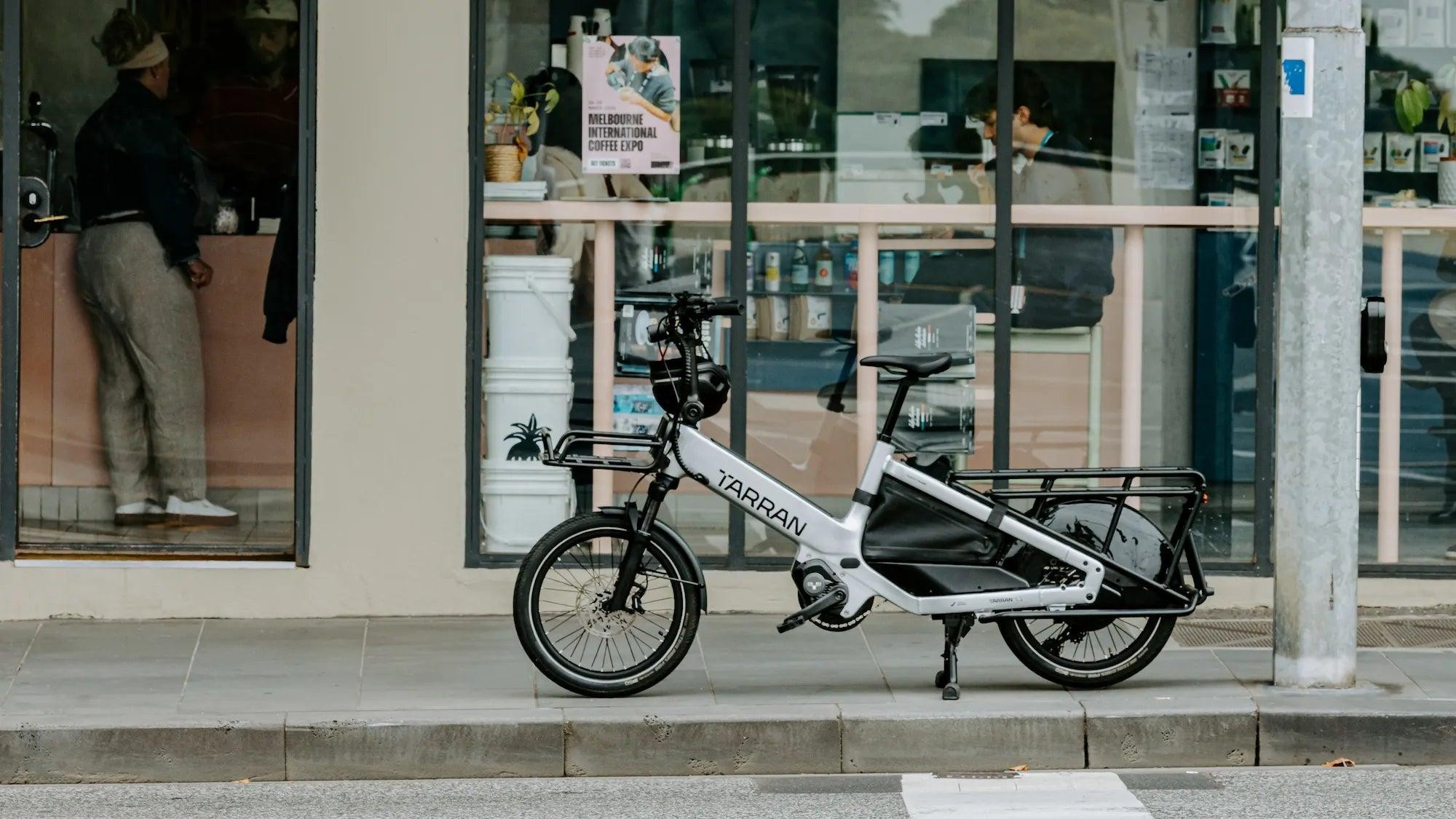
Front-loading box bikes, often called bakfiets, position a large wooden or polyethylene cargo box between the handlebars and front wheel. This design keeps weight visible and centralized, making it excellent for transporting two or three young children who can sit facing forward with seatbelts. The tradeoff is a wider turning radius and a learning curve when maneuvering in tight spaces. Rear-loading longtail designs extend the rear rack significantly, accepting child seats, panniers, and flat cargo platforms. They handle more like a standard bicycle, making the transition easier for new riders, but weight distribution requires more attention when loading unevenly. For families with mixed needs — sometimes children, sometimes bulk cargo — a modular rear platform with removable seating offers genuine versatility without forcing a permanent configuration choice. Maximum load ratings typically range from 80 to 150 kilograms across quality models; always verify the total payload includes the rider’s weight, not just the cargo area capacity.
Accessories for Enhanced Utility and Safety
The right accessories convert a capable cargo bike into a polished family cargo solution. Weather covers — either soft canopy hoods or rigid rain covers — protect children from wind, rain, and sun exposure without requiring schedule changes around the forecast. Adjustable harness systems and integrated footrests are essential for younger passengers, providing restraint that works alongside the cargo box structure rather than relying solely on it. Cargo nets and compression straps prevent loose items from shifting during braking, which affects handling more than most riders anticipate. For grocery runs, removable insulated bags that clip directly onto the rack system maintain cold chain integrity without requiring a separate trip back to retrieve reusable bags. Reflective cargo box panels and spoke-mounted LED strips extend the bike’s visibility profile beyond what frame lighting alone achieves, particularly important when the cargo box itself can partially obscure standard rear lights in certain angles of traffic.
Intelligent Ebike Technologies for Proactive Safety and Convenience
Modern cargo bike models have moved well beyond simple pedal-assist motors. Today’s intelligent ebike technologies create a genuinely smarter riding experience that addresses real family concerns around security, reliability, and ease of daily use — making the difference between a bike that sits in the garage and one that becomes the household’s default transport choice.
GPS tracking has become one of the most valued features for family cargo bikes, which represent a significant investment and an attractive target for theft. Integrated GPS modules allow owners to monitor their bike’s location in real time through a smartphone app, while geofencing alerts trigger notifications the moment the bike moves outside a defined area. Paired with motion-sensitive anti-theft alarms that sound locally and push alerts to your phone, these systems create a layered security approach that passive locks alone cannot match.
Battery management systems deserve equal attention. A quality system provides accurate range estimates that account for current load weight, terrain gradient, and assist level — critical information when you’re carrying children and need to know whether you’ll make it home without pedaling unassisted. Some systems, such as those found in TARRAN e-bikes, dynamically adjust motor output to preserve battery life on longer routes without requiring manual intervention from the rider. Assistive riding modes — typically ranging from eco to turbo — let parents dial in the right balance between range and effort depending on the day’s cargo load and their own energy levels. Automatic hill-detection modes that boost assistance on inclines without requiring gear changes are particularly practical when both hands are needed for confident steering through urban traffic.
Step-by-Step Guide to Choosing Your Ideal Cargo Bike
Knowing what features matter is only half the equation. Translating that knowledge into an actual purchase decision requires a structured approach that keeps your family’s specific circumstances at the center — not a manufacturer’s marketing priorities. Follow these three steps to move from overwhelmed to confident.
Step 1: Define Your Family’s Requirements
Start with an honest inventory of your daily reality. Count how many children will ride simultaneously and their ages, since a toddler and a seven-year-old have very different restraint and space requirements. Measure your typical cargo volume by tallying a full grocery run plus school bags — this single exercise eliminates roughly half the market immediately. Map your regular routes, noting hills, surface quality, and distance, because a family in a hilly neighborhood needs a more powerful motor and stronger brakes than one navigating flat urban streets. Finally, establish a realistic budget that accounts for accessories, insurance, and servicing over three years, not just the purchase price.
Step 2: Research and Shortlist Models
Armed with your requirements, narrow the field using a combination of independent review platforms, owner forums, and certified dealer consultations. Cross-reference safety certifications — look for EN 15194 compliance for electric components and EN ISO 4210 for the frame — against your must-have features list. Visit at least two dealers who carry different brands, and ask specifically how each model handles at maximum payload. A dealer who can’t demonstrate a loaded test ride isn’t a reliable source of safety advice. Shortlist three models maximum to avoid decision paralysis.
Step 3: Test Ride and Make the Final Decision
A test ride without representative weight is nearly meaningless for a cargo bike. Bring your children or use sandbags approximating their combined weight, and run through real-world scenarios: a sharp corner, an emergency stop, a curb transition. Evaluate how loading and unloading children feels under time pressure — because school mornings are never calm. Assess the display interface and assist mode switching with gloves on. If the bike passes these practical tests and aligns with your research findings, you have your answer.
Making the Right Cargo Bike Choice for Your Family
Choosing the right cargo bike comes down to two non-negotiable priorities: keeping your family genuinely safe and ensuring the bike handles your real daily logistics without compromise. A well-chosen cargo bike delivers on both fronts simultaneously — stable geometry and hydraulic braking protect your children on every ride, while thoughtfully designed cargo platforms and smart accessories make the bike a credible replacement for short car journeys rather than an occasional novelty.
Intelligent ebike technologies push that value further still. GPS security, responsive battery management, and adaptive assist modes transform a capable bike into a reliable daily partner that earns its place in your household routine. These features aren’t luxuries — for a family depending on their cargo bike through school runs, grocery trips, and all-weather commutes, they’re practical tools that reduce friction and build genuine confidence.
Apply the three-step selection process outlined here: define your requirements honestly, research and shortlist with safety certifications as your filter, and test ride with representative weight before committing. Families who follow this approach consistently find a cargo bike that grows with their needs rather than against them. Your ideal family ebike is out there — this guide gives you everything needed to find it.