 Isaiminia World Breaking News & Top Stories
Key Takeaways:
- Recognize and address urban driving risks for better accident prevention.
- Practice defensive driving every time you are behind the wheel.
- Always comply with speed limits and local traffic regulations.
- Reduce distractions to maintain full focus while driving.
- Keep your vehicle well-maintained for continued safety.
- Leverage technological advancements to enhance situational awareness and reaction time.
Urban driving presents unique challenges that require heightened awareness and proactive safety measures. Navigating city streets demands not only adherence to traffic laws but also an understanding of the dynamic environment filled with pedestrians, cyclists, and frequent stops. Developing skills in defensive driving and collision avoidance can help motorists anticipate hazards, react more effectively to changing road conditions, and significantly reduce the risk of accidents while contributing to a safer urban community.
Understanding Urban Driving Risks
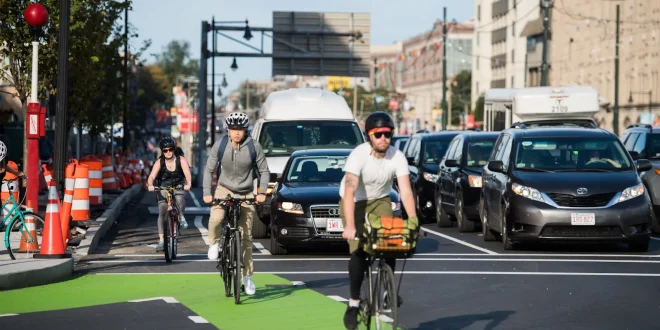
City streets are bustling with activity, featuring a dense mix of vehicles, pedestrians, cyclists, and public transportation. Drivers often encounter sudden lane changes, jaywalking pedestrians, and unexpected stops at busy intersections. Notably, urban areas experience a higher concentration of accidents than rural areas, often involving vulnerable road users such as cyclists and pedestrians. A significant proportion of collisions in city environments happen at intersections or while merging, where the margin for error is slim. Drivers must anticipate others’ actions and be prepared for quick, often unexpected changes in traffic patterns. Understanding these risks is the first step to reducing your own vulnerability on the road. Urban drivers also need to be vigilant for delivery trucks and rideshare vehicles that frequently stop, creating additional hazards and unpredictable traffic flows. Road construction and detours can also suddenly alter familiar routes, catching drivers off guard if they are not paying close attention. Even seasoned drivers may be surprised by unexpected obstacles or road closures, further highlighting the importance of proactive scanning and anticipation while navigating city streets.
Defensive Driving Techniques
Adopting defensive driving habits is essential for city motorists. Examples of effective defensive tactics include keeping a safe following distance, avoiding aggressive maneuvers, and using mirrors regularly to monitor blind spots. Defensive drivers maintain constant awareness of their surroundings, scanning the road ahead and to the sides for possible hazards such as rapidly braking vehicles, opening car doors, or children stepping into the street. Proactive and defensive actions can help prevent many common types of urban accidents. Additionally, anticipating others’ mistakes and unpredictable behavior is a key facet of defensive driving. Being ready to stop or swerve safely, slowing down at intersections even if you have the right of way, and avoiding distractions ensures you can react quickly when required. For those seeking to enhance their defensive driving skills, Ottawa Safe Drivers offers comprehensive training programs. As a Ministry of Transportation-approved driving school, they specialize in defensive driving and collision avoidance techniques, guiding learners from absolute beginners to skilled, safe drivers. Serving areas including Orleans, Kanata, and Barrhaven, Ottawa Safe Drivers provides personalized instruction to help drivers navigate urban challenges effectively. Safe driving also includes knowing how to handle inclement weather or reduced visibility, which are common in cities due to tall buildings and frequent construction dust. Drivers should reduce speed further and increase following distance during rain, fog, or nighttime, as these conditions make spotting hazards and stopping quickly much more difficult.
Adhering to Speed Limits and Traffic Laws
Exceeding the posted speed limit remains a leading cause of accidents in city settings. The risk of a fatal collision increases significantly when drivers speed or run red lights, as these behaviors leave little room for error in confined, congested environments. Studies reveal that nearly 30% of fatal crashes in urban environments involve speeding. Complying with all traffic laws, including stop signs, yield rules, and pedestrian right-of-way, not only helps protect you and your passengers but also contributes to a safer community. Drivers should also stay informed about any changes in local regulations, such as reduced speed limits near schools or construction zones. It’s also essential to yield to public transit vehicles and emergency responders, as failing to do so can have serious consequences. Urban drivers need to be prepared for sudden stops, changes in speed limits, or the presence of temporary signs in construction zones, which may not always be as visible as permanent signage.
Minimizing Distractions
Distractions behind the wheel have multiplied with the increasing use of smartphones, navigation systems, and in-car entertainment. Activities like texting, eating, or adjusting controls can divert your focus for even a moment, increasing the risk of missing sudden obstacles or key changes in traffic signals. The Centers for Disease Control and Prevention (CDC) stresses that removing distractions is one of the most effective ways to prevent collisions, especially in dense urban settings. Practicing mindful driving, such as setting up navigation before departing, using hands-free devices for calls, and keeping both hands on the wheel, greatly reduces the chance of a crash. Ensure that all your attention remains on the road, no matter how routine the drive may seem. Staying alert also includes avoiding conversations that are emotionally charged or overly distracting, as strong emotions can impair your focus. If you are tired or stressed, taking a short break before driving can make all the difference in how well you respond to the fast-moving urban environment.
Regular Vehicle Maintenance
Vehicle condition can directly affect your safety, particularly in busy urban environments that demand frequent braking and quick maneuvers. Make it a habit to check your brakes, tire tread, lighting systems, and fluid levels regularly. Regular service not only prolongs your car’s life but can also prevent sudden failures that often cause accidents. Brake lights and turn indicators are often neglected, yet they serve as crucial signals to surrounding drivers. Ensuring these systems are fully functional makes your intentions clear and helps others anticipate your actions, which can prevent fender-benders or more serious incidents. Wiper blades and windshield washers should also be included in routine checks to ensure maximum visibility during adverse weather. Even small windshield cracks or chip repairs should not be delayed, as they can spread and impair your line of sight, posing an additional risk.
Utilizing Technology for Safer Driving
The advancement of technology in modern vehicles provides an additional layer of safety for city drivers. Features such as automatic emergency braking, lane departure warnings, and blind-spot monitoring can assist in preventing collisions. Additionally, navigation apps that provide real-time traffic updates can help drivers avoid congested areas and plan safer routes. However, it’s essential to use these technologies as aids, not replacements, for attentive driving. Many modern vehicles also have rear cross-traffic alerts and traffic sign recognition, which notify drivers of potential hazards and upcoming regulatory changes. Utilizing these tools, especially in unfamiliar parts of the city, can give drivers a valuable edge in maintaining safe driving practices.
Conclusion
Safe driving in urban environments requires a combination of awareness, adherence to traffic laws, and proactive habits. By understanding the unique challenges of city streets and implementing defensive driving techniques, motorists can significantly reduce the risk of accidents. Regular vehicle maintenance and the mindful use of technology further enhance safety. Ultimately, every driver’s commitment to these practices contributes to a safer and more harmonious urban driving experience for all. Being courteous and patient behind the wheel can also promote a collective respect for the rules of the road, further reducing overall traffic tension and the likelihood of incidents. The more each motorist embraces these safe driving habits, the safer our cities will be for everyone who uses their streets.