Isaiminia World Breaking News & Top Stories
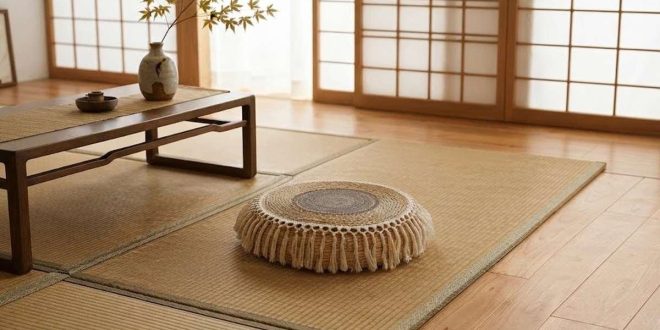
Meditation is often associated with calmness, mindfulness, and mental clarity, but your physical posture also plays an important role in creating a comfortable practice. Sitting in an awkward position for several minutes can cause pressure, stiffness, or discomfort that makes it difficult to stay focused. A Meditation Cushion can provide the support needed to create a more balanced and sustainable sitting position.
Using a cushion correctly is not simply about sitting on a soft surface. Its height, shape, placement, and your sitting position can all affect spinal alignment and comfort. When these elements work together, the cushion can help your pelvis find a stable position while allowing your spine to remain naturally upright.
Choose the Right Cushion
Choosing the right Meditation Cushion is an important first step toward better alignment. Cushions are available in different shapes, sizes, heights, and firmness levels. Your flexibility, body proportions, and preferred sitting position should guide your choice.
A supportive cushion should feel firm enough to keep you stable without being uncomfortable. Round cushions are commonly used for cross-legged meditation, while rectangular cushions can provide broader support. The right cushion should help you sit comfortably without making your body feel restricted.
Position Your Pelvis
Your pelvis acts as the foundation of your seated meditation posture. Sit near the center or slightly toward the front of the cushion so your sitting bones receive steady support. Avoid leaning too far backward or pushing your pelvis excessively forward.
Keeping the hips slightly higher than the knees can make upright sitting easier. This position allows the pelvis to settle naturally and supports the spine above it. You should feel grounded through your sitting bones without creating tension in your lower back.
Keep the Spine Natural
An aligned spine does not require you to sit stiffly or force your back into a straight position. Instead, allow the spine to maintain its natural curves while gently extending upward. Imagine that the crown of your head is reaching toward the ceiling.
Avoid slouching forward or excessively arching your lower back. Your chest should remain comfortably open without being pushed outward. A natural spine allows you to stay alert while keeping unnecessary muscular tension to a minimum.
Relax Your Shoulders
Shoulder tension can develop when you concentrate too much on sitting upright. Avoid pulling your shoulders backward or lifting them toward your ears. Let them settle naturally while keeping your upper body relaxed.
Allow your arms to rest comfortably on your thighs or in your lap. Take a slow breath and consciously release tension from your shoulders. Relaxed shoulders can make your posture feel lighter and support more comfortable breathing.
Set Your Head and Neck
Your head should remain balanced naturally above your spine during meditation. Avoid pushing your head forward or lifting your chin too high. Your chin can remain slightly lowered without pressing it toward your chest.
Imagine that the top of your head is gently moving upward. Keep your jaw, forehead, eyes, and facial muscles relaxed while maintaining this position. Proper head and neck alignment should feel comfortable rather than forced.
Support Your Knees
Your knees should feel stable and comfortable while you meditate. If you sit cross-legged, allow your knees to move naturally toward the floor without forcing them downward. Excessive pressure can create unnecessary discomfort around the hips and knees.
If your knees remain elevated, consider placing a folded blanket or small cushion underneath them. This additional support can create a more stable foundation for your legs. When the lower body feels secure, maintaining an upright posture often becomes easier.
Try Different Sitting Positions
Different sitting positions can provide different levels of comfort and support. Experimenting with several options can help you discover which posture works best for your body.
- Cross-Legged: Sit comfortably with both legs crossed and allow your knees to relax naturally.
- Half Lotus: Place one foot on the opposite thigh while keeping the other leg underneath.
- Kneeling: Place a cushion beneath or between your hips and heels for added support.
- Chair Sitting: Sit upright with your feet flat on the floor and your back comfortably positioned.
There is no requirement to use the most traditional meditation posture. The best position is one that allows you to remain stable, comfortable, and attentive. Avoid forcing your body into a position that causes pain or excessive strain.
Adjust Cushion Height
Cushion height can significantly influence your sitting alignment. A cushion that is too low may cause the pelvis to tilt backward and encourage slouching. A cushion that is too high may leave your legs feeling unsupported.
Experiment with different heights until your hips feel comfortably elevated. A Meditation Pillow with suitable height can provide additional elevation and make it easier to maintain an upright posture. Your knees should remain relaxed while your spine stays naturally aligned.
Create a Stable Base
A stable foundation helps prevent unnecessary movement during meditation. Place your cushion on a firm, level surface that does not slide easily. Your sitting bones and legs should work together to create a balanced base.
Avoid placing most of your weight on one side of the body. Uneven weight distribution can cause your spine to compensate and create tension. A stable base allows your upper body to remain relaxed while your posture stays supported.
Practice Consistently
Good meditation alignment develops gradually through regular practice. Your body may need time to become comfortable with a particular sitting position, especially if you are new to meditation. Begin with shorter sessions and increase your practice time gradually.
During each session, notice where tension or discomfort develops. Make gentle adjustments instead of constantly changing your entire posture. With consistency, you can develop greater awareness of your body’s position and maintain comfortable alignment more naturally.
Why Rely on InnerBillion?
InnerBillion can be a suitable choice for people looking for comfortable and supportive meditation accessories. Its focus on practical designs can help users create a more comfortable setup for their regular meditation practice. A well-designed cushion can make maintaining proper alignment easier during longer sessions.
Choosing supportive meditation products can make your practice more comfortable and consistent. InnerBillion offers options that can complement different sitting preferences and meditation routines. With suitable support, you can focus more on mindfulness while maintaining a stable and relaxed posture.
Final Thoughts
A Meditation Cushion can provide valuable support for comfortable and balanced seated meditation. Proper use involves positioning the pelvis, maintaining a natural spine, relaxing the shoulders, and supporting the knees when needed. Small adjustments can make a noticeable difference in your overall comfort.
The goal is not to achieve a perfectly rigid posture but to create stability with ease. Choose a cushion that suits your body and experiment with different positions and heights. With regular practice, better alignment can help you remain comfortable and focused during meditation.