 Isaiminia World Breaking News & Top Stories
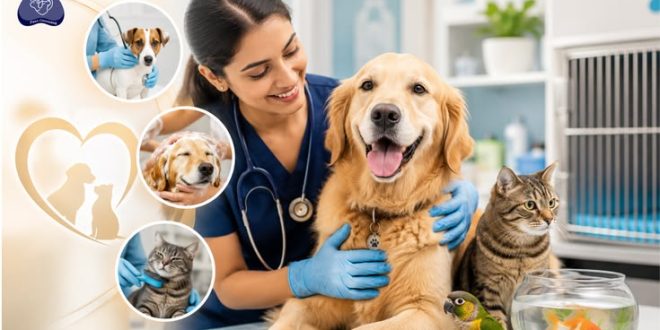
You see the happy adoption photos, the before and after stories, the dog who gained weight, the cat who finally relaxed enough to nap in a sunny window. What most people do not see is the strain behind those wins. Rescue groups are often stretched thin, foster homes fill up fast, and getting same-day veterinary care in Cape Coral for one medical emergency can throw off an entire month of planning. That is where an animal clinic often becomes more than a place for checkups. It becomes part of the rescue team.
4 ways animal hospitals work with rescue organizations usually come down to medical care, planning, communication, and humane standards. When those pieces are strong, animals move through rescue more safely and more quickly. When they are missing, small problems turn into outbreaks, delayed adoptions, and bills no one was ready to cover.
Animal hospitals help rescue groups stabilize urgent medical cases
Many rescue animals do not arrive with a clean history or a clean bill of health. They may come in underweight, unvaccinated, injured, pregnant, or carrying parasites and contagious disease. A rescue group can provide transport, housing, and foster support, but they still need a veterinary partner to sort out what is urgent, what can wait, and what treatment plan makes sense.
This is one of the clearest examples of how veterinary hospitals support animal rescues. A hospital can triage the first exam, run diagnostics, treat wounds, start vaccines, and create a timeline for follow up care. That sounds simple until you picture the real day to day pressure. A rescue may pull five animals from a crowded shelter on Friday afternoon, then spend the weekend trying to find fosters while one dog is coughing, one cat has an eye injury, and a puppy has diarrhea. Without a clinic that understands rescue workflow, those cases can spiral fast.
Hospitals that regularly work with rescue organizations also help set priorities. A fractured leg needs a different decision path than mild kennel cough. A pregnant stray may need immediate imaging and monitoring. A litter with ringworm needs isolation advice right away. That kind of guidance protects the animal, the foster home, and the rest of the rescue population.
Rescue partnerships depend on preventive care and disease control
The hardest rescue problems are often the ones that spread quietly. One untreated parasite, one unrecognized upper respiratory infection, one foster home without clear cleaning instructions, and soon several animals are affected. Rescue medicine is not only about fixing visible injuries. It is about reducing avoidable risk across dozens of animals moving through different homes.
Animal hospitals support this by building protocols for intake exams, vaccines, deworming, testing, spay and neuter timing, and quarantine. Resources from shelter medicine guidance help shape these protocols, especially for groups handling frequent intake from shelters, strays, or owner surrenders.
You can feel the difference when a rescue has this structure. Foster volunteers know what symptoms to watch for. The clinic has records that are easy to track. Adopters get clearer information. Fewer animals bounce back into care because a condition was missed or poorly explained. animal rescue veterinary partnerships work best when preventive care is treated as part of the mission, not an extra line item.
Animal clinics help rescue groups manage costs and hard decisions
Money is part of every rescue case, even when no one wants to say it out loud. One surgery can absorb funds that were meant for routine care for ten other animals. A hospital that works closely with rescue organizations often helps by offering rescue pricing, bundling services, planning staged treatment, or identifying where referral care is truly needed and where in house treatment is enough.
This is not just about discounts. It is about helping a rescue make decisions under pressure without losing sight of animal welfare. If a dog needs dental work, heartworm treatment, and mass removal, what should happen first? If a senior cat has chronic kidney disease, what level of diagnostics is realistic before adoption placement? If a stray arrives with severe trauma, what is humane and medically sound?
Standards matter here. The guidelines for standards of care in animal shelters give rescue groups and clinics a framework for housing, sanitation, medical oversight, and population management. Those standards support better decisions when emotions are high and resources are tight.
Strong communication between rescues and animal hospitals improves adoptions
Medical treatment is only part of the relationship. Rescue groups need records that are accurate, easy to transfer, and clear enough for foster homes and adopters to understand. Animal hospitals often help by documenting vaccine dates, medication instructions, surgical details, behavior notes related to pain or recovery, and long term care needs.
That information changes adoption outcomes. A family is more likely to keep a dog when they understand the plan for allergy treatment. A foster is more likely to continue helping when post op instructions are realistic and consistent. A rescue coordinator can place animals faster when they know who is ready for surgery, who is cleared for adoption, and who still needs recheck appointments.
| Area of Support | When the Clinic and Rescue Work Closely | When Support Is Limited |
|---|---|---|
| Intake exams | Illness and injury are identified early, treatment starts faster | Conditions are missed, animals decline in foster care |
| Disease prevention | Vaccines, testing, and quarantine steps reduce spread | Outbreaks disrupt fosters and adoptions |
| Budget planning | Care is prioritized with clearer cost expectations | Emergency bills force rushed decisions |
| Adoption readiness | Records and follow up plans help animals move into homes | Delays and confusion slow placements |
Clear steps strengthen the relationship between rescues and veterinary care
Build a written intake protocol. Decide before the next emergency what every new animal needs in the first 24 to 72 hours. Include exam timing, vaccine expectations, parasite control, testing, and isolation rules. A written plan reduces chaos and protects fosters from guessing.
Choose one point of contact for medical communication. Rescue work gets messy when five people call the clinic about the same dog. One coordinator should handle updates, approvals, and record requests. That saves time and cuts down on errors.
Review outcomes every few months. Look at where money is going, which illnesses keep showing up, how often surgery is delayed, and where adoptions stall. An animal hospital and rescue collaboration gets stronger when both sides adjust based on real patterns, not assumptions.
Rescue work is emotional because the stakes are real. Animals arrive scared, sick, and dependent on people they just met. A good animal clinic helps carry that weight. With the right veterinary partnership, rescue organizations can treat more animals, prevent more suffering, and move more pets into stable homes with fewer setbacks.
If you are building or improving a rescue program, start with the clinic relationship. It often shapes everything that comes after.