 Isaiminia World Breaking News & Top Stories
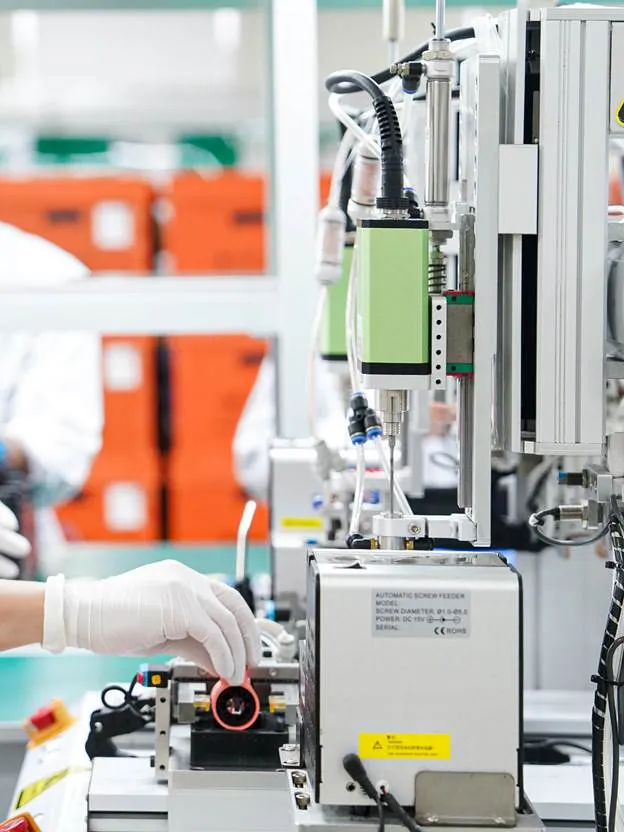
Injection mould processes form the backbone of modern manufacturing, enabling the mass production of precise, durable plastic components used in virtually every industry. From automotive parts to consumer electronics housings, this technology delivers consistency at scale that few other manufacturing methods can match. Yet for manufacturers who rely on these components, finding a dependable injection molding service provider remains one of the most consequential decisions they face. The wrong partner can lead to quality defects, production delays, and escalating costs that erode margins and damage customer relationships. The right one becomes a strategic asset that drives competitive advantage. This guide offers manufacturers a practical framework for navigating the selection process with confidence. Whether you’re sourcing your first injection molding partner or reassessing an existing relationship, the criteria, steps, and strategies outlined here will help you identify providers that deliver the reliability, technical excellence, and cost-effectiveness your operations demand.
The Fundamentals of Plastic Injection Molding for Manufacturers
Injection molding is a manufacturing process in which molten material—typically thermoplastic or thermosetting polymers—is forced into a precisely engineered mold cavity under high pressure. Once cooled, the material solidifies into a finished component that replicates the mold’s geometry with exceptional accuracy. Plastic injection molding, the most widespread variant, produces everything from bottle caps and gear housings to intricate surgical instrument components. Other variants include insert molding, overmolding, and micro-molding, each tailored to specific design requirements and material combinations.
The process serves critical functions across diverse industries. Automotive manufacturers depend on it for dashboard assemblies, connectors, and under-hood components that must withstand thermal stress. Consumer electronics companies use it to produce lightweight enclosures with tight dimensional tolerances. In healthcare, injection molding enables medical solutions such as single-use syringes, diagnostic device housings, and implantable components manufactured under stringent cleanroom conditions. Aerospace, packaging, and industrial equipment sectors similarly rely on this technology for high-volume, repeatable production.
For manufacturers seeking to optimize both production quality and cost-effectiveness, understanding injection molding fundamentals is not optional—it’s strategic. Familiarity with gate design, cooling channel layout, material shrinkage behavior, and cycle time optimization allows procurement teams to ask better questions, evaluate supplier capabilities more accurately, and identify potential quality risks before they become costly production failures. This foundational knowledge transforms manufacturers from passive buyers into informed partners capable of driving better outcomes from their injection molding relationships.
Essential Criteria for Evaluating Injection Molding Services
Selecting an injection molding provider requires more than comparing price quotes. Manufacturers must evaluate a constellation of factors that collectively determine whether a supplier can deliver consistent, high-quality plastic components over the long term. The most critical criteria fall into two interconnected domains: technical capability and cost structure. Getting both right ensures access to reliable services that support sustainable growth without compromising margins.
Assessing Technical Capabilities and Mold Manufacturing Expertise
A provider’s technical depth reveals itself in several measurable ways. Start by examining their engineering team’s experience with mold manufacturing—specifically, their ability to design and build molds that maintain dimensional stability across hundreds of thousands of cycles. Providers with in-house tooling capabilities typically offer faster iteration and tighter quality control than those outsourcing mold fabrication. Evaluate the age and sophistication of their machinery: modern electric and hybrid presses deliver superior repeatability and energy efficiency compared to older hydraulic systems. Look for providers running scientific molding practices, where process parameters are validated through systematic data collection rather than operator intuition. Quality assurance protocols matter equally—certifications like ISO 9001 establish baseline competence, while ISO 13485 signals readiness for medical solutions requiring full traceability and validated processes. Ask about in-process inspection methods, statistical process control implementation, and how they handle non-conformances. A provider that documents corrective actions and shares root-cause analyses demonstrates the transparency essential for a reliable partnership.
Analyzing Cost Structures and Value in Contract Manufacturing
Cost-effective production solutions emerge not from selecting the cheapest bid but from understanding what drives total cost of ownership. Evaluate how providers structure their pricing—do they separate tooling amortization from piece price, or bundle costs in ways that obscure true economics? Scrutinize material efficiency by asking about runner systems, regrind policies, and scrap rates, since material waste directly inflates per-part costs. In contract manufacturing relationships, long-term agreements often unlock volume-based pricing tiers, dedicated capacity, and priority scheduling that reduce hidden costs like expediting fees and quality rework. Assess whether a provider invests in process optimization that benefits both parties: shorter cycle times, reduced secondary operations, and design-for-manufacturability feedback all create shared value that compounds over multi-year engagements.
A Step-by-Step Guide to Finding and Vetting Reliable Providers
Moving from criteria to action requires a structured approach that minimizes risk while efficiently narrowing the field of potential partners. Manufacturers who follow a disciplined vetting process consistently report better outcomes—fewer quality escapes, more predictable lead times, and stronger collaborative relationships that improve over time. The following steps transform abstract evaluation principles into concrete actions that lead to informed, defensible sourcing decisions.
Research and Shortlisting Potential Injection Molding Partners
Begin by defining your requirements with specificity: material types, annual volumes, tolerance classes, regulatory environment, and any specialized needs such as medical solutions requiring cleanroom production or contract manufacturing arrangements demanding dedicated capacity. With these parameters established, cast a wide initial net through industry directories like Thomasnet, trade association member lists, and referrals from non-competing manufacturers in your network. Companies such as WEILAN MFG and other established molding manufacturers can be identified through these channels based on their published capabilities and industry focus. Search specifically for providers whose expertise aligns with your technical demands—a company specializing in high-cavitation commodity parts may not suit low-volume, high-precision medical device work. Review each candidate’s website for evidence of relevant experience: case studies, industry certifications, equipment lists, and material expertise. Narrow your list to five or six providers that demonstrate clear alignment with your requirements, then issue a detailed request for quotation that includes 3D models, material specifications, quality requirements, and projected volumes. The quality of their response—its thoroughness, timeline, and the questions they ask in return—serves as an early indicator of how they’ll perform as a partner.
Finalizing the Partnership: Evaluation and Negotiation
With quotes in hand, advance your top three candidates to deeper evaluation. Conduct facility visits—virtual or in-person—focusing on shop floor organization, equipment maintenance practices, and how operators interact with quality systems. Request references from customers with similar part complexity and volume profiles, then actually call those references and ask pointed questions about on-time delivery rates, communication responsiveness during problems, and how the provider handled its most recent quality issue. Test communication patterns by posing technical questions and observing response speed and depth. During contract negotiation, establish clear terms for critical performance metrics: acceptable defect rates measured in parts per million, delivery windows with defined penalties for chronic lateness, and intellectual property protections for your mold designs. Build in periodic business reviews where both parties assess performance data and identify improvement opportunities. Providers who welcome this level of accountability—rather than resisting it—signal the reliability and confidence that sustain productive long-term manufacturing relationships.
Maximizing Success with a Trusted Injection Molding Partner
Once you’ve secured a reliable injection molding partner, the real competitive advantages begin to materialize. A trusted provider becomes an extension of your engineering team, offering design-for-manufacturability insights that reduce part complexity, eliminate unnecessary secondary operations, and shorten development cycles. This collaborative dynamic accelerates time-to-market—when your mold manufacturing partner identifies potential issues during the design phase rather than after tooling is cut, you avoid costly revisions that can delay launches by weeks or months. Product quality improves measurably as well, because an established partner understands your material preferences, tolerance requirements, and end-use conditions intimately, applying that institutional knowledge to every new project without a learning curve.
Scalability represents another significant benefit. A dependable partner maintains capacity reserves and flexible scheduling that accommodate demand spikes without sacrificing quality or delivery performance. When you need to scale from prototype quantities to full production runs—or pivot to new product variants—an aligned provider responds with agility rather than excuses. For manufacturers requiring specialized services such as custom mold manufacturing for unique geometries, cleanroom production for medical solutions, or multi-material overmolding for consumer products, a long-term relationship grants priority access to these capabilities and the experienced technicians who operate them. The cumulative effect is a production ecosystem that delivers consistent plastic components at competitive costs while continuously improving through shared data, joint problem-solving, and mutual investment in process refinement. Manufacturers who cultivate these partnerships don’t merely buy parts—they build sustainable, efficient production infrastructure that compounds in value year after year.
Conclusion
Finding a reliable injection molding service provider is a process that rewards thoroughness and strategic thinking. As this guide has outlined, success begins with understanding the fundamentals of plastic injection molding and how different process variants serve distinct industry needs—from automotive components to specialized medical solutions. Armed with that knowledge, manufacturers can apply rigorous evaluation criteria that go beyond surface-level pricing to assess technical capabilities in mold manufacturing, quality systems maturity, and the true economics of contract manufacturing relationships. The step-by-step vetting process—from targeted research and shortlisting through facility evaluation, reference checks, and contract negotiation—provides a repeatable framework that reduces sourcing risk and increases the likelihood of securing a partner capable of delivering cost-effective production solutions consistently. The long-term rewards of getting this decision right extend far beyond reliable part delivery; they include accelerated innovation cycles, scalable capacity, and continuous process improvement that strengthens your competitive position year after year. Apply this guide methodically, invest the time in proper due diligence, and you will build injection molding partnerships that serve as genuine strategic assets for your manufacturing operations.