 Isaiminia World Breaking News & Top Stories
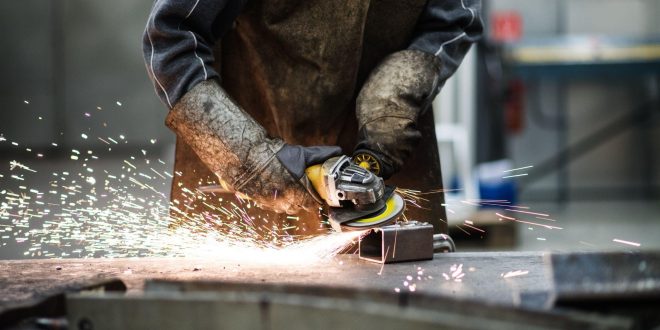
Did you buy heat-resistant gloves to protect your hands while handling hot objects, only to find that they did not solve the problem? Did you know these seven things before making your purchase?
What Are Heat-Resistant Gloves?
In technical terms, anything that is ‘heat resistant’ can withstand high temperatures without undergoing significant changes in its mechanical and chemical properties. Heat-resistant gloves are safety gloves that are suitable for industries which involve thermal hazards such as direct flames, hot contact, convective heat, radiant heat, small spatters, large molten metals etc.
However, despite their hazard-prevention intention, these safety gloves also have some limitations, which you should know before buying these safety gloves online.
- Heat Resistant Gloves Don’t Mean Heat Proof
- Scenario: Imagine a worker handling a hot object in an industrial unit wearing heat-resistant gloves.
- What will happen: The heat-resistant gloves will help the worker handle the hot object and reduce the risk of burns. However, if the object is too hot and the worker continues to hold the object for a long time, the heat will slowly start transferring to the hands.
- Conclusion: Safety gloves for heat protection slow down the heat transfer inside the glove, but heat-resistant gloves are not heat-proof gloves! Avoid false claims like ‘100% heat-proof gloves!’
- One Heat Resistant Glove Doesn’t Prevent All Thermal Hazards
- Scenario: You need safety gloves for welding operations, but you purchased heat-resistant hand gloves that are widely used for handling hot objects.
- What will happen: A heat-resistant glove that protects your hands from hot contact may not protect your hands from welding sparks and molten-metal splashes, and the risk of hand burns increases even if you are wearing heat-resistant safety gloves. So, the material and construction of heat-resistant hand gloves matter when considering thermal hazards.
- Conclusion: For welding applications, gloves should be certified to the EN12477 standard. The severity and effects of heat differ according to the type of heat transmission.
- Understand Temperature Ratings and Time Span
- Scenario: Two workers in a metal manufacturing unit are handling hot material. You choose gloves with a lower level of heat resistance for both workers. One worker needs to simply carry the object and pass it immediately to the other worker, while the second worker has to hold the object for a longer duration.
- What will happen: Choosing a safety glove with a lower level of thermal protection for both workers won’t work. The second worker may burn his hands as he has to hold the object for a longer duration.
- Conclusion: It is important to have clear information about contact heat levels of the EN 407 standard before selecting heat-protection gloves.
- Thicker Safety Gloves Don’t Necessarily Mean Better Heat Protection
- Scenario: You have to work in a high-heat zone and handle hot materials for long hours, so you choose thicker safety gloves so that heat can’t transfer to your hands easily.
- What will happen: Thicker heat-resistant safety gloves won’t prevent heat from reaching your hands, and you may still burn them. In addition, you may lose grip when handling hot objects.
- Conclusion: The gloves’ thickness can influence thermal insulation, but it’s not the sole determinant of heat protection. Determinants such as material, thickness, construction, and tested performance together decide glove performance for heat prevention.
- Heavy Duty Heat Resistant Gloves
- Scenario: Workers in a glass manufacturing plant require both cut and heat protection. You find gloves advertised as having high heat resistance along with EN 407 certification and buy them online.
- What will happen: The safety gloves that you purchase are EN 407 certified (which is a European standard for protective gloves against thermal risks) and will protect you from thermal hazards only but may not ensure sharp-edge cut protection. If cut hazards are present, the wearer must also check for the EN 388 standard in addition to thermal protection.
- Conclusion: If safety gloves require multiple protection areas, they need to be tested for all those areas. For instance, an industrial heat-resistant glove needs to be tested for cut resistance as well under EN 388 if you are going to use it against mechanical hazards along with thermal hazards.
- Cuff Length and Snug Fit in Heat Resistant Hand Gloves Matter
- Scenario: Consider workers working with regular-length heat-resistant hand gloves in the same size, regardless of individual fit.
- What will happen: The certified heat-resistant safety gloves for workers provide ample thermal protection on the palm and fingers, but workers still get burns on the wrist and arms.
- Conclusion: Choosing the right glove according to the hazard is important. Long gauntlet-type cuff length and snug fit play an important role in hand protection.
- Repeated Exposure Does Degrade the Insulation of Gloves
- Scenario: Consider your workers repeatedly using the same heat-resistant glove for hot object handling, which has become thinner over time.
- What will happen: Despite choosing the right safety glove, your workers are at risk of hand burns and thermal injuries.
- Conclusion: The safety gloves also come with a certain lifespan. After prolonged use and repeated exposure, the heat-resistant gloves start losing their insulation properties. Thus, timely glove inspection and replacement are required.
Why Manufacturer’s ‘Instructions for Usage’ are Important
By now, you must have a fair idea of what heat-resistant hand gloves are. The industrial safety experts from KARAM Safety suggest that while using safety gloves, it’s important to follow the manufacturer’s usage guidelines. These guidelines help users understand maintenance requirements, correct usage and limitations so that the right glove can be used for the right applications.
KARAM also recommends that users refer to buy instruction guides before purchasing safety equipment. KARAM Online, a dedicated e-commerce portal for industrial safety equipment, provide guides to help users understand the products before making a purchase. This feature helps users to know the product better and use it accordingly.
The Bottom Line
Heat-resistant gloves are used in very special operations in the industry. Using appropriate materials, fit, tested and certified safety gloves may reduce the risks of hand injuries. Understanding glove construction, certifications, limitations and key application areas helps in making better choices for hand protection as well as providing better handling of objects.