 Isaiminia World Breaking News & Top Stories
Key Takeaways
- Weight loss can affect facial volume, skin laxity, hydration, and the visibility of fine lines.
- Age, genetics, sun exposure, nutrition, skin elasticity, and the pace of weight loss all influence the outcome.
- Daily skin protection, balanced nutrition, hydration, sleep, and strength-building habits support overall skin health.
- Volume loss, loose skin, wrinkles, and uneven texture may require different treatment approaches.
- A medical consultation can help establish safe timing, realistic expectations, and an appropriate care plan.
Major weight loss can be an important health milestone, but it may also bring unexpected changes in the face. Some people notice a slimmer appearance they enjoy, while others see hollowing, looser skin, deeper lines, or a more tired-looking expression. These changes are common concerns and do not mean that anyone has done anything wrong.
For people in Wichita considering physician-guided support, BE Aesthetics is a medical spa and wellness center offering skincare treatments, cosmetic injectables, eyelid-focused care, and weight-management support. Led by Dr. Jennifer Burgoyne, a board-certified ophthalmologist with extensive experience in facial aesthetics and eye care, the practice can help patients discuss concerns around facial volume, skin quality, and natural-looking treatment goals.
Why Facial Changes Can Happen After Weight Loss
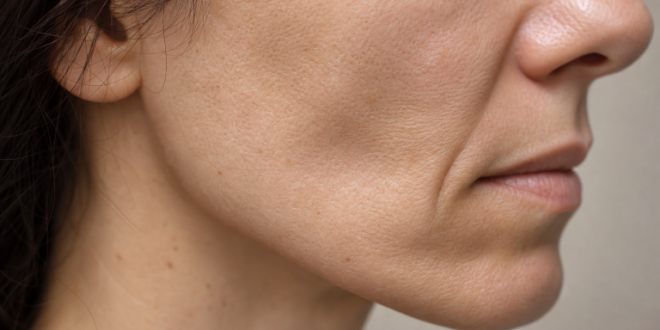
Facial fat is not simply extra tissue. It provides soft structure beneath the skin around the cheeks, temples, eyes, jawline, and mouth. When body fat decreases, the face may look more sculpted, but it can also appear flatter, hollowed, or less supported. Faster weight loss can make the shift more noticeable because the skin has less time to adapt.
Collagen and elastin also matter. These proteins help skin resist stretching and return to its prior shape. Their function naturally changes with age, and lifelong sun exposure, smoking, illness, and genetics can affect skin firmness. Not everyone experiences the same facial changes, whether due to lifestyle changes, bariatric surgery, or medication-assisted care. A recent 2026 review of facial weight-loss research discusses concerns such as hollowing, laxity, and contour changes after substantial weight loss.
What May Change in the Face
It can help to identify the specific change you notice rather than assuming every concern has the same cause. Common changes include:
- Reduced cheek fullness: The midface may look flatter or more drawn.
- Temple hollowing: Volume loss in the temple area can make the upper face appear narrower.
- More visible lines: Folds and wrinkles can stand out when skin has less underlying support.
- Looser skin: The cheeks, lower face, jawline, or neck may look less firm.
- Changes around the eyes: Hollowing, puffiness, or a tired appearance may be more apparent.
- Dry or dull-looking skin: Lower food intake, dehydration, stress, and poor sleep may contribute.
These signs may also reflect normal aging, hormonal shifts, sun damage, smoking, illness, or muscle loss. Avoid self-diagnosis, especially when weight loss is unintended or accompanied by new symptoms.
Is This Only a GLP-1 Concern?
No. “GLP-1 face” is a popular, nonmedical term, but similar facial changes may occur after any significant or rapid weight loss. A GLP-1 medication may be part of one person’s health story, while the amount and speed of weight loss, rather than the medication itself, may be the larger factor. Jefferson Health offers a useful overview of facial changes after GLP-1 weight loss, including the role of volume loss and reduced skin elasticity.
Daily Habits That Support Skin Health
- Wear broad-spectrum sunscreen daily. UV exposure can damage collagen and worsen uneven tone.
- Support the skin barrier. Use a gentle cleanser and moisturizer appropriate for your skin type.
- Prioritize protein and nutrient-rich foods. A balanced eating pattern supports tissue repair, muscle retention, and general wellness.
- Stay adequately hydrated. Hydration supports normal body function and may improve the appearance of dry skin.
- Build strength safely. Resistance training may help preserve muscle during weight loss when approved by your healthcare professional.
- Protect sleep and avoid smoking. Both can affect recovery, circulation, and visible skin aging.
Supplements, prescription products, and strong active skincare ingredients should be reviewed with a qualified clinician. More products do not always produce better results.
How Professional Options May Fit
Treatment should begin with the concern, not a trending device or product. A qualified provider can assess facial structure, skin quality, volume loss, laxity, medical history, medications, and the level of change you want.
- Fine lines and movement-related wrinkles: Neuromodulator treatments may be considered.
- Loss of facial volume: Dermal fillers or other volume-restoring approaches may be considered.
- Uneven texture: Skincare, resurfacing, or laser-based options may help selected patients.
- Mild laxity: Energy-based treatments may offer gradual improvement for some people.
- Significant loose skin: A surgical consultation may be more appropriate than repeated nonsurgical procedures.
How to Choose a Qualified Provider
- Verify the provider’s license, training, and relevant board certification.
- Ask who performs the evaluation and who performs the treatment.
- Request before-and-after examples involving similar concerns.
- Confirm that medical history and medications are reviewed.
- Discuss common side effects, rare complications, downtime, aftercare, and total cost.
- Be cautious of guaranteed outcomes or pressure to purchase multiple services immediately.
Questions to Ask Before Treatment
- What is causing the change I see?
- Is the main concern volume loss, laxity, texture, or a combination?
- How stable should my weight be before treatment?
- Which option fits my goals and medical history?
- When will results appear, how long may they last, and what follow-up is needed?
Common Questions
Will facial skin tighten on its own after weight loss?
Some adjustment can occur over time, particularly after moderate weight loss. Age, genetics, the amount lost, and the length of time the skin was stretched all affect the degree of tightening.
Can skincare restore lost facial volume?
Skincare can support hydration, texture, and the skin barrier, but creams cannot fully replace deeper structural volume.
What if facial changes are sudden or severe?
Speak with a healthcare professional if weight loss is unplanned, unusually rapid, or accompanied by weakness, hair loss, dizziness, digestive symptoms, or other health concerns.
Weight loss can be a meaningful achievement, even when facial changes feel surprising. Focus on steady health habits, daily skin protection, realistic expectations, and individualized guidance from qualified medical professionals rather than rushing toward a quick fix.