 Isaiminia World Breaking News & Top Stories
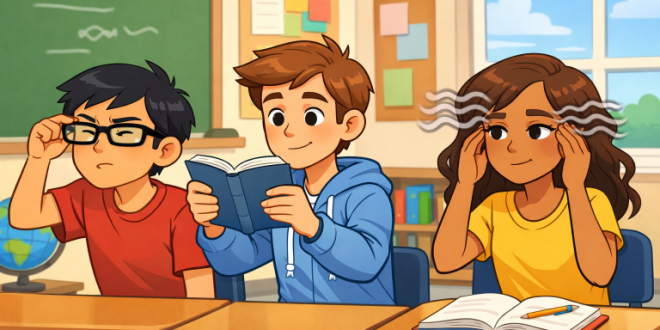
Key Takeaways
- Teen eye health is increasingly affected by heavy screen use, academic demands, and digital fatigue.
- Common vision issues include refractive errors (myopia, hyperopia, astigmatism), amblyopia, strabismus, convergence insufficiency, and dry eye syndrome.
- Many eye conditions can be corrected or managed effectively if detected early through regular eye exams.
- Vision problems can impact learning performance, focus, coordination, and self-confidence.
- Healthy habits, like screen breaks, proper nutrition, and protective eyewear, help prevent long-term eye strain and damage.
- Early intervention and consistent eye care are key to preserving lifelong vision health.
Introduction
Today’s teens are navigating a world filled with digital screens, rapid academic changes, and evolving social environments. In this modern landscape, it’s easy for eye health to slip under the radar, even as it becomes more important than ever. Paying close attention to potential vision problems is crucial for teens, whose learning, confidence, and daily comfort heavily depend on their ability to see clearly. If you or your teenager needs additional support while handling vision health challenges, Visions Treatment Centers offers specialized care and resources designed for adolescents.
Understanding the warning signs and solutions for common eye conditions can empower parents and teens alike to take proactive measures and ensure lasting ocular health. As young people juggle school, activities, and burgeoning independence, regular eye check-ups can help them stay ahead of potential issues.
Beyond vision clarity, strong eye health in adolescence contributes significantly to self-esteem, classroom performance, and relationships. Teens are particularly vulnerable to eye strain and digital fatigue. Therefore, early detection and consistent habits can make a significant difference in their overall well-being.
Refractive Errors
Refractive errors are by far the most frequent vision issues found in teens. These errors occur when the eye does not properly bend, or “refract,” light, resulting in blurred or fuzzy vision. The main types include:
- Myopia (Nearsightedness): Faces difficulty seeing faraway objects clearly. This often ramps up during puberty due to rapid eye growth.
- Hyperopia (Farsightedness): Experiences difficulty focusing on nearby objects, leading to eye strain during schoolwork or reading.
- Astigmatism: Sees blurry or distorted images at all distances, generally caused by an irregularly shaped cornea.
Routine eye exams are essential for catching these problems early before they interfere with school and activities. Most refractive errors are easily corrected with glasses or contact lenses, which can immediately enhance vision comfort and learning.
Amblyopia (Lazy Eye)
Amblyopia, or lazy eye, develops when one eye underperforms because it is not working well with the brain. This causes the brain to begin ignoring signals from the weaker eye, which can lead to permanent difficulty if left untreated. Often undetectable without professional screening, amblyopia should be addressed as early as possible through corrective lenses, patching, or, in some cases, vision therapy. The faster the treatment starts, the better the chances of preserving vision in both eyes.
Strabismus (Crossed Eyes)
Strabismus is marked by eyes that appear to be looking in different directions due to misalignment. It can affect depth perception, hand-eye coordination, and even lead to amblyopia if neglected. Solutions range from prescription glasses and regular eye exercises to surgical intervention. Early intervention is especially important, as it can help prevent long-term consequences and improve confidence in teens who may feel self-conscious about their appearance.
Convergence Insufficiency
Convergence insufficiency disrupts the ability to focus both eyes on a single close-up object, such as a textbook or digital screen. Symptoms include double vision, eye fatigue, headaches, and trouble concentrating during near work. This condition can have a substantial impact on academic performance, particularly for students who spend significant time reading. Custom-tailored vision therapy exercises, supervised by an eye care professional, are highly effective in managing and resolving these symptoms.
Dry Eye Syndrome
With teens spending hours daily on computers and smartphones, digital eye strain and dry eye syndrome have become common complaints. Red, irritated, or gritty eyes often signal reduced blink rate when staring at screens. To manage symptoms, promote the 20-20-20 rule: every 20 minutes, take a 20-second break and look at something at least 20 feet away. Ensuring regular screen breaks, proper hydration, and a healthy sleep routine can significantly reduce discomfort.
Protecting Teen Vision
Safeguarding eye health in adolescence goes beyond just correcting problems. Good vision habits built now can last a lifetime. Here are some steps to encourage:
- Regular Eye Exams: Schedule yearly checkups, even if your teen is not reporting symptoms. This helps detect underlying problems before they become serious.
- Healthy Lifestyle Choices: Emphasize a diet rich in leafy greens, nuts, citrus fruits, and lean protein. These foods contain vitamins and minerals vital for eye health.
- Screen Time Management: Encourage teens to limit recreational screen time and balance it with outdoor activities or hobbies that give their eyes a break from close-up work.
- Protective Eyewear: When playing sports or working around hazardous materials, ensure teens wear proper eye protection to prevent injuries that could permanently impact vision.
Final Thoughts
In today’s fast-paced, screen-focused world, eye health must remain a priority for teens and their families. Recognizing symptoms, scheduling regular eye exams, and instilling healthy habits can help reduce the risk of long-term problems and ensure teens reach their full potential. By staying informed, proactive, and supportive, parents play a pivotal role in nurturing a healthy vision for the next generation.