 Isaiminia World Breaking News & Top Stories
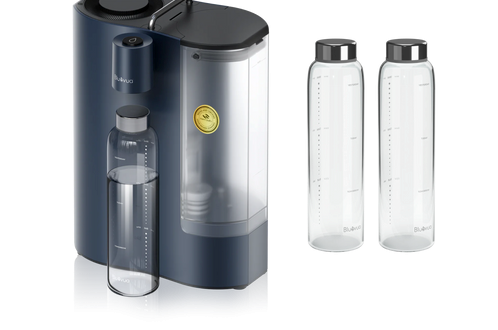
Picture this: you’re three days into a backcountry camping trip, miles from the nearest town, and your only source of drinking water is the stream running beside your tent. You fill your bottle, pump it through your portable RO filter, and take a long drink. But have you ever stopped to wonder—are you actually getting clean water from that filter? The consequences of contaminated water in the wilderness range from uncomfortable stomach cramps to serious waterborne illnesses that can cut your trip short or land you in a hospital. For campers and outdoor enthusiasts who depend on portable filtration systems, the difference between safe hydration and a health risk often comes down to one overlooked factor: maintenance. A portable RO filter is only as reliable as the care you put into it. Without regular cleaning and proper upkeep, even the best system can fail when you need it most. This article walks you through practical solutions and straightforward maintenance steps so you can trust every sip you take on the trail.
The Critical Role of Portable RO Filters in Outdoor Adventures
Reverse osmosis technology works by forcing water through a semi-permeable membrane that blocks contaminants as small as 0.0001 microns. In a portable RO filter, this process removes bacteria, viruses, heavy metals, and dissolved solids that standard pump filters often miss. For campers drawing water from rivers, lakes, or questionable spigots at remote campgrounds, this level of portable filtration can mean the difference between staying healthy and spending the night doubled over in your tent. Water quality in the backcountry is unpredictable—crystal-clear streams can harbor giardia, and snowmelt may carry dissolved minerals that upset your system over time. A well-functioning portable RO filter addresses these invisible threats, giving you confidence that what you’re drinking won’t compromise your trip or your health. However, the rugged conditions of outdoor use—exposure to sediment, temperature swings, and extended periods without cleaning—put significant stress on filtration components. The membrane that makes RO so effective is also delicate. Without regular maintenance, its microscopic pores become clogged or degraded, and the system’s ability to deliver safe water drops dramatically. Treating your portable RO filter as a piece of critical safety gear, rather than a set-it-and-forget-it gadget, is what keeps your water quality consistently high across every adventure.
Identifying Common Issues with Portable RO Filters
Even the most dependable portable RO filter will develop problems if exposed to harsh outdoor conditions without proper attention. The most frequent issue campers encounter is membrane clogging—sediment, algae, and organic matter from natural water sources gradually block the membrane’s tiny pores, reducing its ability to separate contaminants from your drinking water. You’ll notice this as a significant drop in water flow; what once took minutes to filter a liter now takes considerably longer, leaving you rationing water or spending too much time at the source. Beyond reduced output, a compromised membrane can allow bacteria and dissolved solids to pass through, degrading water quality without any visible warning signs. Bacterial growth presents another serious concern, particularly when filters sit damp between uses or when temperatures climb during summer trips. Biofilm can develop inside tubing and on membrane surfaces, introducing the very pathogens you’re trying to eliminate. Outdoor conditions compound these problems in ways that home-based systems rarely face. Freezing overnight temperatures can damage membrane integrity through ice crystal expansion. Sandy or silty water sources accelerate wear on pre-filter components, and prolonged UV exposure degrades plastic housings and seals. Many campers don’t realize their portable filtration system is underperforming until they experience symptoms of waterborne illness. Recognizing these common failure points—clogged membranes, slow flow rates, bacterial contamination, and environmental degradation—is the first step toward maintaining reliable water quality throughout your trip.
Essential Maintenance Practices for Optimal Performance
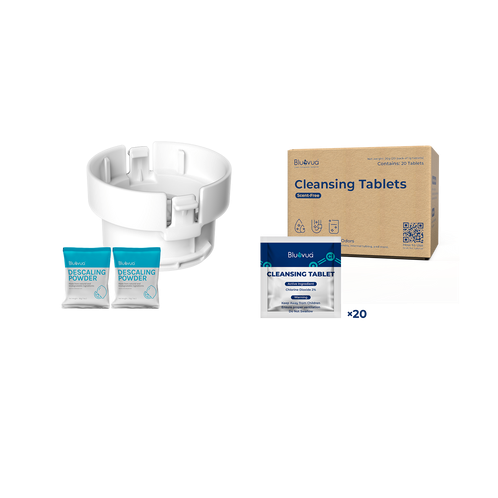
Keeping your portable RO filter performing at its best doesn’t require specialized expertise—it requires consistency. Routine maintenance addresses the buildup, bacterial growth, and wear that outdoor use inevitably causes. Think of it as the same discipline you’d apply to maintaining a camp stove or sharpening a knife: small efforts before and after each trip prevent costly failures in the field. Two tools form the backbone of effective RO system maintenance: a cleansing kit designed for sanitizing internal components, and descaling powder formulated to dissolve mineral deposits that accumulate on membranes. Together, these products tackle the two primary threats to your portable filtration system—biological contamination and chemical scaling. Brands like Bluevua offer maintenance accessories specifically designed for portable water filter systems, making it easier to find compatible cleansing kits and descaling solutions. Investing a few minutes in preventive care after each outing extends membrane life significantly and ensures your water quality remains consistent trip after trip.
Using a Cleansing Kit for Thorough Cleaning
A cleansing kit typically includes a sanitizing solution, flush syringes or tubing adapters, and detailed instructions tailored to portable systems. Its purpose is straightforward: eliminate bacteria, biofilm, and organic residue from membrane surfaces, internal tubing, and connection points. After disassembling your filter according to the manufacturer’s guidelines, flush the sanitizing solution through each component, allowing adequate contact time to neutralize pathogens. Rinse thoroughly with clean water before reassembly. This process restores water purity and prevents the musty odors that signal bacterial colonization.
The Importance of Descaling with Descaling Powder
Hard water sources—common in limestone regions and mountain streams—leave calcium and magnesium deposits on RO membranes that progressively reduce efficiency. Descaling powder dissolves these mineral layers without damaging the delicate membrane structure. Mix the powder with warm water as directed, circulate it through the system, and let it soak long enough to break down stubborn scale. Follow with a thorough freshwater rinse. Incorporating descaling into your RO system maintenance routine every few trips keeps flow rates strong and prevents permanent membrane damage that no amount of cleaning can reverse.
Step-by-Step Guide to Maintaining Your Portable RO Filter
A reliable portable RO filter requires more than occasional attention—it needs a structured maintenance routine that covers every phase of your trip. By breaking care into three distinct stages, you create a system that’s nearly impossible to neglect. This approach ensures your portable filtration delivers consistent water quality whether you’re on a weekend outing or an extended backcountry expedition. The following steps integrate cleansing kit use, descaling powder application, and smart field practices into a single, repeatable process that any camper can follow.
Pre-Trip Preparation and Inspection
Before leaving home, run clean tap water through your system and check for leaks at every connection point. Inspect the membrane housing for cracks, and examine O-rings for signs of wear or drying. Test your flow rate by timing how long it takes to produce one liter—if it’s noticeably slower than when the unit was new, perform a cleaning cycle with your cleansing kit before departure. Verify that all tubing is free of discoloration or residue, and pack spare O-rings and a small repair kit alongside your filter.
During-Use Care and Monitoring
While camping, pre-filter your source water whenever possible by letting it settle in a container or using a bandana to screen out visible debris before pumping. This simple step dramatically reduces sediment load on your RO membrane. Monitor flow rate daily—any sudden decrease signals that your portable filtration system needs attention. Avoid leaving the filter assembled and wet overnight in freezing conditions; instead, drain all water from the system and store it insulated inside your pack or sleeping bag.
Post-Trip Cleaning and Storage
Once home, disassemble the filter completely and flush each component with your cleansing kit’s sanitizing solution. If you encountered hard water sources, dissolve descaling powder in warm water and circulate it through the membrane for the recommended soak time. Rinse everything thoroughly, allow all parts to air dry completely, then store the system in a cool, dry place with caps loosely fitted to allow airflow.
Ensuring Reliable Water Purification with Advanced Tips
Beyond routine maintenance, a few advanced practices can elevate your portable filtration game and provide an extra layer of confidence in the field. Consider carrying portable water quality test strips—they’re lightweight, inexpensive, and give you immediate feedback on whether your RO system is performing correctly. A quick test after filtering catches membrane failures before you consume compromised water. If your portable RO filter sees heavy use across multiple seasons, replace the membrane proactively rather than waiting for obvious performance decline. Most manufacturers recommend replacement after a specific volume of filtered water, and tracking your usage with a simple tally in your gear log keeps you ahead of degradation. Pay attention to your pre-filter components as well; upgrading to a higher-capacity sediment pre-filter reduces the burden on your RO membrane and extends its effective lifespan considerably. Store a backup set of seals and gaskets with your kit, since these small parts are the most common point of failure and the easiest to fix trailside. Finally, if you camp in regions with particularly challenging water—high turbidity, agricultural runoff, or mineral-heavy sources—consider running water through the system twice during those trips. These practices, layered on top of consistent cleansing kit use and regular descaling, create a comprehensive approach to portable filtration that meets the demands of any environment you encounter.
Maintain Your Filter, Trust Your Water
Your portable RO filter stands between you and the invisible threats lurking in backcountry water sources—but only when it’s properly maintained. Throughout this guide, we’ve covered why reverse osmosis technology demands more attentive care than standard filters, how common issues like membrane clogging, bacterial growth, and mineral scaling quietly undermine water quality, and what concrete steps you can take to prevent these failures. The maintenance routine is straightforward: inspect and test before every trip, protect your system from sediment and freezing temperatures while in the field, and perform thorough cleaning with a cleansing kit and descaling powder once you’re home. These aren’t optional extras—they’re the practices that keep your portable filtration system functioning as designed, trip after trip, season after season. Adopting this discipline means you’ll spend less time worrying about what’s in your water and more time enjoying the landscapes you came to explore. The next time you kneel beside a mountain stream and fill your bottle, you’ll have earned the confidence that comes from knowing your gear is ready. Clean water in the backcountry isn’t luck—it’s preparation.