Isaiminia World Breaking News & Top Stories
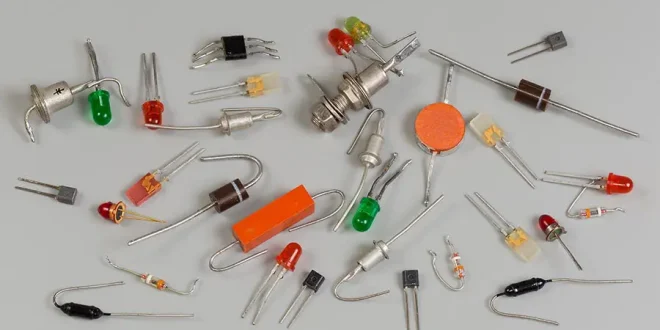
Wire diodes serve as fundamental components in modern electronic devices, controlling current flow and protecting circuits from voltage spikes. These small but critical parts enable everything from smartphone charging circuits to industrial power systems to function reliably. However, electronic manufacturers consistently face significant challenges when sourcing these components.
Finding suppliers who deliver high-quality wire diodes at competitive prices while maintaining reliable delivery schedules has become increasingly complex. Supply chain disruptions, inconsistent quality standards, and pricing fluctuations create bottlenecks that directly impact production timelines and manufacturing costs.
This guide addresses these pressing concerns by providing electronic manufacturers with a comprehensive roadmap for sourcing wire diodes effectively. You’ll discover how to evaluate and select trustworthy suppliers, leverage electronic components marketplaces to your advantage, and implement strategies for bulk purchasing that reduce costs without compromising quality.
By following these proven approaches, you can build a resilient supply chain that supports your manufacturing operations and ensures consistent access to the components your production lines depend on.
Understanding Wire Diodes and Sourcing Challenges
Wire diode is a semiconductor devices with two terminals that allow electrical current to flow in one direction while blocking it in the opposite direction. Such components play essential roles in rectification circuits that convert alternating current to direct current, voltage regulation systems, signal demodulation, and circuit protection applications.
Manufacturers integrate wire diodes into power supplies, battery charging systems, automotive electronics, telecommunications equipment, and consumer devices where precise current control is critical. The quality and specifications of wire diodes directly determine circuit performance—factors like forward voltage drop, reverse recovery time, peak reverse voltage, and current rating must match design requirements exactly to ensure reliable operation.
Sourcing these components presents significant obstacles for manufacturers. Quality consistency varies dramatically between suppliers, with some batches meeting specifications while others fail under stress testing, leading to production delays and increased defect rates.
Supply chain disruptions caused by geopolitical tensions, raw material shortages, and logistics bottlenecks create unpredictable lead times that complicate production planning. Pricing volatility adds another layer of complexity, as market fluctuations can suddenly increase component costs and erode profit margins.
These challenges compound to affect manufacturing efficiency through production line stoppages, increased quality control costs, and the need for emergency sourcing at premium prices. Product reliability suffers when inconsistent components reach finished goods, potentially damaging brand reputation and triggering costly warranty claims.
Evaluating and Selecting Diode Suppliers
Choosing reliable diode suppliers forms the foundation of a stable manufacturing operation. The right supplier partnership ensures consistent component quality, predictable delivery schedules, and technical support when specification questions arise. A systematic evaluation process protects manufacturers from costly mistakes—partnering with unreliable suppliers leads to defective components reaching production lines, unexpected shortages that halt assembly, and quality issues that damage end products.
Begin your supplier selection by establishing clear requirements: define the wire diode specifications your applications demand, including voltage ratings, current capacities, package types, and any industry-specific certifications. Next, create a shortlist of potential suppliers through industry research, marketplace searches, and peer recommendations. Request detailed information packets that include company background, manufacturing capabilities, quality control processes, and client references. Conduct preliminary assessments by reviewing their technical datasheets against your requirements and verifying their claimed certifications through issuing authorities.
Schedule discussions with supplier representatives to gauge their technical knowledge and responsiveness—suppliers who understand your application requirements and answer questions thoroughly demonstrate the expertise needed for long-term partnerships. Request samples for testing in your actual circuit applications, as real-world performance validation reveals more than datasheets alone.
Evaluate sample performance through electrical testing, thermal stress analysis, and longevity assessments that simulate operating conditions. Document results systematically, comparing multiple suppliers side-by-side on quality metrics, pricing structures, minimum order quantities, and lead times to make data-driven selection decisions.
Key Criteria for Supplier Reliability
Quality certifications provide objective evidence of supplier capabilities and commitment to standards. ISO 9001 certification demonstrates established quality management systems, while industry-specific certifications like IATF 16949 for automotive or AS9100 for aerospace indicate specialized expertise. Verify certifications directly with issuing bodies rather than relying solely on supplier claims.
Reputation assessment requires investigating customer experiences through multiple channels—check online reviews, request client references, and consult industry forums where manufacturers discuss supplier performance candidly. Technical support capabilities separate adequate suppliers from exceptional partners.
Evaluate whether suppliers offer engineering assistance for component selection, provide detailed application notes, and respond promptly to technical inquiries. Delivery reliability directly impacts production scheduling—examine suppliers’ on-time delivery rates, their inventory management systems, and backup plans for supply disruptions.
Request performance data covering the past twelve months, including fill rates and lead time consistency. Conduct facility audits when feasible, either through site visits or third-party inspection services, to verify manufacturing capabilities, quality control procedures, and inventory management practices firsthand.
How to Find and Vet Diode Suppliers
Online directories like Thomasnet and industry-specific databases provide searchable listings of component manufacturers and distributors specializing in wire diodes. Filter results by geographic location, certifications, and component categories to narrow your search efficiently.
Industry networks through professional associations, LinkedIn groups, and engineering forums connect you with peers who share supplier recommendations based on direct experience. Trade shows and electronics exhibitions offer concentrated opportunities to meet multiple diode suppliers, examine product samples, and discuss capabilities face-to-face—events like Electronica, APEC, and regional electronics manufacturing expos attract reputable component suppliers.
When making initial contact, prepare specific inquiries about technical specifications, quality processes, pricing structures for your volume requirements, and lead times. Request product catalogs, technical datasheets, and quality certifications upfront. Implement a sampling program by ordering small quantities from promising suppliers before committing to large purchases.
Test samples rigorously in your applications, measuring electrical characteristics, thermal performance, and mechanical integrity. Document supplier responsiveness throughout the sampling process—communication quality during evaluation predicts future partnership effectiveness.
Navigating Electronic Components Marketplaces
Electronic components marketplaces have transformed how manufacturers source wire diodes and other critical parts by creating centralized platforms that connect buyers with verified suppliers worldwide. These digital ecosystems eliminate the traditional barriers of geographic limitations and fragmented supplier networks, allowing procurement teams to access thousands of component options through single interfaces.
Marketplaces aggregate inventory from authorized distributors, manufacturers, and specialized component brokers, providing real-time availability data that streamlines purchasing decisions. For electronic manufacturers facing tight production schedules, these platforms solve the time-consuming challenge of contacting multiple suppliers individually—instead, you can compare specifications, pricing, and delivery terms from dozens of sources within minutes.
The transparency these marketplaces offer addresses pricing uncertainty by displaying competitive quotes side-by-side, enabling data-driven purchasing decisions rather than relying on limited supplier relationships. Advanced search functionalities let you filter wire diodes by precise electrical specifications, package types, certifications, and quantity breaks, ensuring you identify components that match your exact requirements.
Many platforms integrate supplier ratings, verified customer reviews, and transaction histories that provide valuable insights into reliability and service quality. Payment protection mechanisms and dispute resolution services reduce transaction risks, particularly when working with new suppliers or international vendors.
The procurement efficiency gained through marketplaces directly impacts your bottom line—reduced sourcing time means procurement staff can focus on strategic supplier relationships and quality management rather than administrative tasks, while consolidated ordering processes simplify accounting and inventory tracking across multiple component categories.
Benefits of Using Online Marketplaces
Online marketplaces provide immediate access to extensive supplier networks that would take months to develop through traditional relationship building. This breadth of options proves particularly valuable when sourcing specialized wire diodes with specific voltage ratings or package configurations that limited suppliers stock.
Competitive pricing emerges naturally when multiple vendors bid for your business—transparency forces suppliers to offer their best terms upfront rather than engaging in prolonged negotiations. User reviews and supplier ratings function as collective quality control, allowing you to learn from other manufacturers’ experiences before committing to purchases.
Manufacturers report finding components 30-40% faster through marketplaces compared to traditional sourcing methods, accelerating product development cycles and reducing time-to-market. Streamlined procurement processes consolidate purchasing across component categories, enabling you to source wire diodes, capacitors, and other parts through unified workflows that reduce administrative overhead and simplify vendor management.
Top Electronic Components Marketplaces to Consider
Platforms like Octopart aggregate inventory from authorized distributors, offering powerful parametric search tools that filter millions of wire diode listings by electrical specifications, manufacturer, pricing tiers, and stock levels. Findchips provides similar aggregation with enhanced price comparison features and availability tracking across global distributors.
Alibaba connects manufacturers with component suppliers offering bulk quantities at factory-direct pricing, though due diligence becomes critical when evaluating overseas vendors. Specialized platforms like Utsource cater to manufacturers seeking automation accessories and electronic components with verified supplier networks and streamlined procurement workflows. Digi-Key and Mouser function as comprehensive distributor marketplaces with extensive technical resources, guaranteed authentic components, and reliable logistics networks.
When comparing platforms, evaluate search precision for your specific diode requirements, minimum order quantities that align with your volume needs, shipping options to your facilities, and the platform’s verification processes for suppliers. Test multiple marketplaces with small orders to assess user experience, delivery reliability, and component quality before establishing preferred sourcing channels.
Strategies for Bulk Orders and Cost Efficiency
Bulk ordering wire diodes delivers substantial cost advantages that directly improve manufacturing profitability, yet securing these benefits requires strategic approaches beyond simply requesting quantity discounts. Electronic manufacturers operating at scale need systematic methods to reduce per-unit costs while maintaining the component quality their production lines demand.
The challenge lies in balancing price reduction goals with supply chain stability—aggressive cost-cutting that compromises supplier relationships or component reliability ultimately increases total ownership costs through defects, delays, and emergency sourcing expenses. Effective bulk purchasing strategies address multiple dimensions simultaneously: negotiating favorable pricing structures, establishing supply agreements that protect against market volatility, and building supplier partnerships that deliver consistent quality across large order volumes.
Begin by analyzing your wire diode consumption patterns over the past twelve months, identifying which specifications you use most frequently and projecting future requirements based on production forecasts. This demand analysis reveals opportunities for volume consolidation—combining orders for similar diode types or coordinating purchases across product lines to reach higher quantity tiers that unlock better pricing.
Calculate your total cost of ownership beyond unit prices by factoring in logistics expenses, inventory carrying costs, quality control requirements, and the financial impact of potential supply disruptions. Armed with comprehensive consumption data and cost analysis, you can approach suppliers and marketplace vendors with specific volume commitments that justify preferential pricing.
Structure your purchasing calendar to align with supplier production cycles when possible, as orders that fit efficiently into manufacturing schedules often receive better terms than rush requests requiring special production runs. Implement supplier scorecards that track not just pricing but also quality metrics, on-time delivery rates, and responsiveness to issues—this performance data strengthens your negotiating position during contract renewals and provides objective justification for shifting volume between suppliers based on demonstrated reliability rather than price alone.
Negotiating Competitive Pricing for Bulk Orders
Volume discount structures typically offer tiered pricing that reduces per-unit costs as order quantities increase—request detailed pricing matrices from suppliers showing exact breakpoints where discounts apply, then structure your orders to maximize savings by reaching the next tier when feasible. Long-term supply agreements lock in favorable pricing for extended periods, protecting your manufacturing costs from market fluctuations while giving suppliers the order predictability that justifies better terms.
Propose contracts spanning six to twelve months with committed minimum volumes, negotiating price protection clauses that limit increases even if market conditions change. Price benchmarking provides negotiating leverage by documenting what competitors pay for comparable components—gather pricing data from multiple suppliers and marketplace platforms, then present this research when discussing terms to establish market-rate expectations.
Request itemized quotes that separate component costs from logistics, handling fees, and other charges, as this transparency reveals negotiable elements beyond base pricing. Propose payment terms that benefit both parties, such as early payment discounts in exchange for reduced unit prices, or consignment inventory arrangements where suppliers maintain stock at your facility and you pay as components enter production.
Leverage marketplace competition by soliciting quotes from multiple vendors simultaneously, making it clear that you’re comparing offers—this competitive pressure motivates suppliers to present their most attractive terms upfront rather than holding pricing flexibility in reserve for prolonged negotiations.
Ensuring Supply Chain Reliability for Spare Parts
Inventory planning for wire diode spare parts balances availability requirements against carrying costs by calculating optimal stock levels based on consumption rates, lead times, and acceptable risk of stockouts. Implement min-max inventory systems that automatically trigger reorders when quantities fall below predetermined thresholds, ensuring continuous availability without excessive capital tied up in components.
Supplier diversification protects against disruptions by establishing relationships with multiple diode sources for critical specifications—qualify at least two suppliers for high-volume components so production can continue if one source experiences delays or quality issues. Create tiered supplier categories distinguishing between primary vendors for regular orders, secondary sources for backup capacity, and spot market options for emergency needs.
Conduct regular quality audits that verify component specifications through incoming inspection testing, statistical process control on sample batches, and periodic supplier facility assessments. Document audit findings systematically, addressing any deviations immediately through corrective action requests and follow-up verification.
Establish safety stock levels for wire diodes used in maintenance and repair applications by analyzing historical failure rates, equipment criticality, and replacement lead times—components supporting high-value production equipment warrant higher inventory buffers than those for less critical applications. Implement vendor-managed inventory programs for high-volume diodes where suppliers monitor your consumption and replenish stock automatically, transferring inventory management burden while ensuring availability.
Building a Resilient Wire Diode Supply Chain
Sourcing wire diodes effectively requires a systematic approach that addresses quality, reliability, and cost considerations simultaneously. Understanding the fundamental role these components play in your circuits and recognizing common sourcing challenges—from quality inconsistencies to supply chain disruptions—prepares you to build resilient procurement strategies.
Evaluating suppliers through rigorous criteria including certifications, reputation verification, and performance testing ensures you partner with vendors who deliver consistent quality and reliable delivery schedules. Electronic components marketplaces provide powerful tools for expanding your supplier network, comparing competitive pricing, and streamlining procurement workflows that reduce sourcing time and administrative burden.
Implementing strategic bulk ordering approaches through volume consolidation, negotiated long-term agreements, and supplier diversification delivers cost efficiencies while protecting your production lines from supply interruptions. By applying these proven methods systematically, you transform wire diode sourcing from a reactive challenge into a competitive advantage.
Take immediate action by auditing your current supplier relationships, exploring reputable marketplaces for alternative sources, and developing data-driven procurement strategies that align with your production forecasts. These steps will optimize your supply chain, reduce component costs, and ensure the consistent availability of quality wire diodes that your manufacturing operations depend on for success.