 Isaiminia World Breaking News & Top Stories
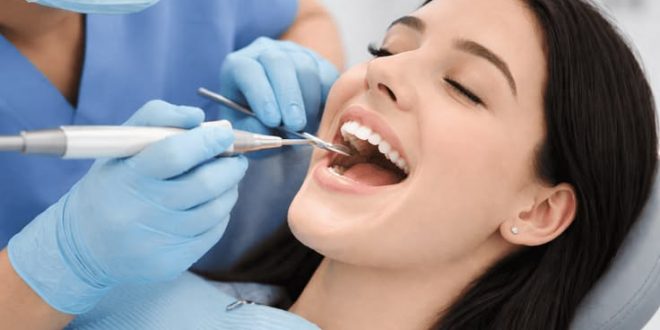
You may already know the practical side of missing teeth. Chewing gets harder. Certain words come out differently. Smiling in photos starts to feel like a decision instead of a reflex. What often hurts more is the quiet part, the way you begin to cover your mouth when you laugh, avoid certain foods in public, or put off social plans because you do not want anyone to notice. Working with a trusted implant dentist in Hyannis can help restore more than function. Tooth loss changes function, but it also reaches into confidence, self-image, and daily comfort.
Implant dentistry addresses both sides of that loss. It replaces missing teeth in a way that can feel stable and natural, and it often helps people feel more like themselves again. If you have been weighing the idea of treatment, the real question is not only whether implants can fill a gap. It is whether they can help you eat, speak, smile, and move through the day without that constant self-consciousness. For many people, the answer is yes, though the path takes planning, healing time, and a clear understanding of what to expect.
Missing Teeth Affect More Than Appearance
When a tooth is missing, people usually notice the visible gap first. The deeper effects tend to build slowly. You may start chewing on one side. That can put extra strain on other teeth. Your bite may shift. Dentures that slip can make meals feel stressful instead of routine. If several teeth are gone, the shape of your face can even change over time as the jawbone loses stimulation.
The emotional side is just as real. A person can look completely fine to everyone else and still spend the whole conversation wondering if their mouth is the first thing people see. That strain adds up. It can affect work, dating, family events, and simple things like ordering food at a restaurant.
Dental implants for confidence matter because they do not just sit on top of the gums. An implant is placed in the jawbone to act like an artificial tooth root, then restored with a crown, bridge, or denture attachment. That structure is one reason implants often feel more secure than removable options. The FDA’s overview of dental implants explains the basics, including benefits, risks, and why careful evaluation matters before treatment begins.
Implant and Cosmetic Dentist Care Supports Function and Self Image
There is a reason many people look for an implant and cosmetic dentist instead of treatment that focuses only on replacing the tooth. Function and appearance work together. A replacement tooth that bites well but looks flat, bulky, or mismatched can still leave you feeling aware of it every time you smile. Good implant care considers gum shape, tooth color, spacing, facial balance, and speech, not just whether the implant integrates with bone.
That detail matters in real life. If a front tooth has been missing for years, restoring it may involve more than placing an implant. Bone volume, gum contours, and the position of nearby teeth all affect the final result. If a molar is missing, the cosmetic concern may be smaller, but comfort while chewing becomes the main issue. Different problems need different plans, and that is why a personal consultation matters more than broad promises.
Cost is often part of the stress. Implants usually require a higher upfront investment than bridges or removable dentures. That can stop people before they even ask questions. Yet the cheapest option at the start is not always the one that feels easiest to live with over time. Repairs, replacements, adhesives, movement, and dietary limits all carry their own cost, whether in money, time, or frustration.
Comparing Dental Implant Options With Other Tooth Replacement Choices
| Option | Stability | Effect on Nearby Teeth | Bone Support | Everyday Confidence |
|---|---|---|---|---|
| Single dental implant | High once healed | Usually does not rely on adjacent teeth | Helps stimulate jawbone | Often feels closest to a natural tooth |
| Dental bridge | Fixed in place | May require shaping nearby teeth | Does not replace tooth root | Can look natural, but does not address bone loss |
| Removable partial denture | Less stable | May use nearby teeth for support | Does not stimulate bone like an implant | Can help appearance, though movement may affect comfort |
| Implant supported denture | More stable than traditional denture | Does not depend on natural teeth in the same way | Provides more support than removable denture alone | Often improves speech and eating confidence |
Material choice also matters. The restoration attached to an implant may involve different dental materials, each with strengths related to appearance, wear, and compatibility. The NIDCR guide to dental materials gives a useful overview if you want to understand what may be used in crowns, bridges, or implant restorations.
Tooth replacement with implants is not automatic for every patient. Gum disease, smoking, uncontrolled diabetes, bone loss, teeth grinding, and some medications can affect healing and long term success. None of that means you are out of options. It means your treatment plan should be honest, specific, and built around your health instead of a one size fits all pitch.
Clear Steps Help You Decide If Dental Implants Are Right for You
- Get a full evaluation, not a quick estimate. Ask for an exam that includes imaging, bite analysis, and a review of your medical history. If confidence is part of your concern, say that plainly. A good provider should talk with you about both function and appearance.
- Ask what the full timeline looks like. Some cases are straightforward. Others need extractions, grafting, or healing periods before the final tooth is placed. Knowing the stages helps you plan around work, family, and budget without feeling blindsided halfway through.
- Compare the long term experience, not just the first price. Ask how each option may affect chewing, maintenance, speech, comfort, and future dental work. A lower initial fee can still leave you managing daily inconvenience that wears on your confidence.
Restoring Your Smile Can Also Restore Ease in Daily Life
If you have been living around a missing tooth, or several, you are not being vain by caring how it affects your confidence. Smiling without thinking about it, eating without worry, and speaking without distraction are part of feeling at ease in your own life. That is exactly why implant dentistry can mean more than replacing teeth. It can help restore a sense of normalcy that people miss every day until they get it back.
The next step is a conversation with an implant and cosmetic dentist who can tell you what is realistic for your mouth, your health, and your goals. You do not have to keep guessing or keep adjusting your life around the problem.