Isaiminia World Breaking News & Top Stories
Key Takeaways
- Choose a fence based on its purpose, property layout, and future needs, not appearance alone.
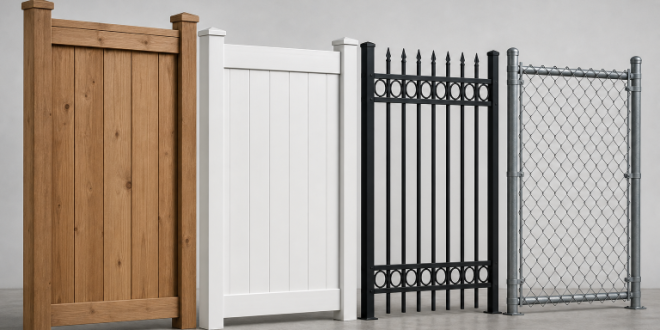
- Compare wood, vinyl, chain link, ornamental, post-and-rail, and specialty options based on privacy, security, maintenance, and budget.
- Plan carefully for pets, children, gates, slopes, drainage, and access.
- Consider West Michigan weather, property lines, permits, HOA rules, and utility locations before installation.
- A complete written estimate should include materials, gates, preparation, removal, cleanup, and warranties.
A fence should do more than mark the edge of a yard. It should support the way you use the property every day, whether that means creating privacy, keeping pets secure, protecting a pool area, or defining a larger rural lot. Homeowners considering Fence Installation in Middleville can make a stronger decision by looking beyond color and style before choosing a material or layout. The best design balances practical needs with the property’s terrain, local requirements, maintenance expectations, and plans. A solid backyard privacy fence may work well behind a home, while an ornamental or picket-style fence can preserve the open appearance of a front yard.
Start With The Fence’s Main Purpose
Identify the fence’s primary job before comparing materials. Common priorities include privacy, pet containment, child safety, noise reduction, security, curb appeal, and clear property definition. A family with an energetic dog may need a secure, dig-resistant backyard enclosure first. At the same time, a homeowner near a busy road may place greater value on a solid sound barrier. When a property has multiple needs, using different fence styles in different areas can be more effective than a single design around the entire perimeter.
Review The Property Layout
Walk the property and note slopes, low spots, drainage routes, mature trees, gardens, sheds, driveways, sidewalks, patios, and utility equipment. Uneven ground can change how panels follow the grade, affect bottom gaps, and influence where posts and gates should be placed. A simple sketch helps reveal access needs for lawn equipment, trash bins, deliveries, or vehicles. It also helps prevent a new fence from blocking a future patio, garden expansion, or drainage project.
Compare Common Fence Materials
Wood And Vinyl
Wood remains a flexible choice for privacy, shadowbox, picket, and custom designs. It can be built in many heights and configurations, but it generally requires periodic cleaning, staining, or sealing, as well as occasional board repairs. Vinyl offers a clean, consistent look with less routine upkeep. It is available in privacy and picket profiles, although repairs may require matching a specific panel style or color.
Chain Link, Ornamental, And Post-And-Rail
Chain link is practical when visibility, reliable containment, and cost control matter. Coated finishes, privacy slats, and gate options can be tailored for homes, dog runs, commercial sites, and larger lots. Ornamental metal fencing provides defined boundaries and a more formal appearance without closing off sight lines, making it useful near entrances, pools, gardens, and driveways. Post-and-rail fencing suits open properties where boundary definition and a traditional look matter more than full privacy.
Electric And Specialty Fencing
Electric fencing and agricultural layouts should be selected based on the specific animal, the acreage, and the expected pressure on the fence. Livestock size, behavior, grazing patterns, and access to equipment all influence the right setup. Temporary fencing can also be useful for construction areas, events, or short-term site control, while custom work may solve unusual grade, gate, or layout challenges.
Plan For Pets And Children
A pet-safe fence must account for jumping, climbing, squeezing through openings, digging, and pushing against gates. Check bottom clearances, latch placement, gate swing direction, and weak points near corners and landscaping. Small dogs may need tighter spacing than large dogs, and a tall jumper may need a different solution than a determined digger. Families planning outdoor space for animals can use these pet-friendly home-planning tips to consider yard size, pools, and safe play areas. Children may also benefit from self-closing gates, dependable latches, and separate barriers around pools or other hazards.
Balance Privacy, Security, And Visibility
Solid privacy fencing can create a quieter, more secluded yard, but it may reduce visibility near a driveway or gate. Open fencing maintains sightlines while still establishing a boundary. Security depends on more than height. Strong posts, durable hinges, quality latches, lighting, and controlled gate access all matter. Before choosing a taller design, consider whether it blocks a needed view or exceeds local height limits.
Think About Weather And Maintenance
West Michigan weather can expose a fence to rain, snow, ice, wind, wet soil, and freeze-thaw movement. Wood may need additional protective maintenance; metal should be inspected for damaged coatings or rust; vinyl should be cleaned and checked for cracks; and chain-link hardware should stay tight. A simple twice-yearly inspection should include:
- Checking posts, gates, hinges, and latches for movement or loose hardware.
- Clearing leaves, soil, vines, and other debris from the fence line.
- Trimming branches that rub against panels or rails.
- Addressing damaged boards, sections, or coatings before the problem grows.
Check Property Lines, Rules, And Permits
Confirm property boundaries before digging. Municipal rules, homeowners associations, subdivisions, pool-barrier requirements, setbacks, corner-lot visibility rules, and shared-fence discussions can all affect the final design. Utility lines should be located before posts are installed. Rural landowners may also want to consider how fencing affects wildlife movement, especially where open travel corridors are nearby. The USDA notes that wildlife-friendly fencing practices can reduce unnecessary barriers on working lands.
Plan For Future Property Changes
Think ahead before committing to a complete perimeter. Future pools, sheds, gardens, play areas, patios, outdoor kitchens, and driveways may change how the yard needs to function. Place gates where equipment can enter easily, and leave room for a future fence extension or a separate pet area. In some cases, completing the most important section first is wiser than fencing every edge without a long-term layout.
Build A Realistic Fence Budget
Total cost depends on the material, height, length, terrain, access, gate count, old fence removal, site preparation, permits, and custom details. Compare complete estimates rather than price per foot alone. Ask whether each proposal includes measurements, posts, gates, and hardware, hauling, cleanup, permit work, and any expected maintenance needs. A lower initial price may not offer the best value if it omits essential preparation or durable hardware.
Questions To Ask Before Installation
- What is the fence’s main purpose?
- Which material fits the property, maintenance preferences, and budget?
- How will the design handle slopes, drainage, and access points?
- Where should gates go for pets, equipment, and future projects?
- Are property-line confirmation, permits, or HOA approval required?
- What could change after excavation begins?
Final Takeaway
The right fence supports daily life now while allowing room for what comes next. By matching the design to the property’s purpose, layout, pets, weather exposure, and long-term plans, homeowners can avoid expensive revisions later. For residential and commercial projects throughout Barry, Kent, and Ottawa counties, working with a licensed, bonded, and insured fencing contractor with more than 20 years of experience can help turn those decisions into a durable, well-planned installation.