 Isaiminia World Breaking News & Top Stories
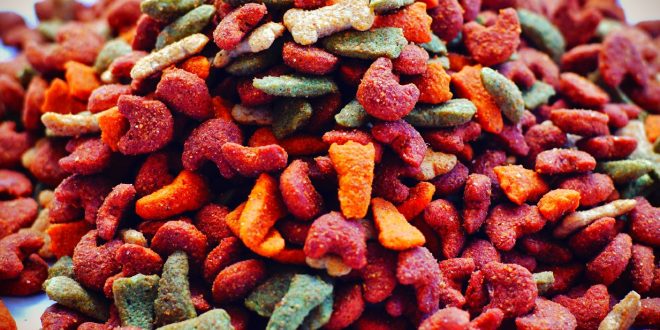
People notice color before they can judge flavor, texture or aroma. That applies when somebody looks at a bag of pet treats too. A consistent brown, red or vegetable-inspired shade can help a product look familiar from one purchase to the next.
There is an important difference, though. The person choosing the package is usually not the one eating what is inside. Color decisions in pet food therefore need to make sense for the formulation and brand without becoming an attempt to make the product unnecessarily decorative.
Ask Why the Product Needs Color
This question should come before choosing a shade.
Perhaps the ingredients naturally produce a variable appearance from batch to batch. The manufacturer may want greater visual consistency. A treat could also have a particular flavor or ingredient positioning that the finished appearance is expected to support.
Once the reason is clear, developers have a target. Without one, it is easy to keep increasing color simply because a stronger shade appears more noticeable.
Look at the Natural Base First
Pet food formulations can already have substantial color before anything is added.
Proteins, grains, vegetable ingredients and processing may create brown, beige or other tones. That background will influence how an added coloring system appears.
Make an uncolored control using the full recipe. If the base changes between trials, investigate that difference before assuming the color ingredient is responsible.
This is especially useful when raw materials naturally vary somewhat in appearance.
Choose Ingredients for the Application
Manufacturers evaluating food coloring powder suppliers for pet food should consider the complete manufacturing process, not simply a shade sample.
A baked treat and another type of pet food may encounter different temperatures, moisture levels and processing conditions. Those differences can affect which coloring approach deserves testing.
Discussing the actual application with a supplier can therefore be more productive than requesting “a natural red” or “a natural yellow” without explaining where it will be used.
Heat Has to Join the Trial
A color that looks right in an uncooked mixture has not necessarily completed its development test.
If the product is baked, extruded or otherwise heat processed, evaluate the appearance after that stage. The customer will never see the raw development mixture, so approving it there has limited value.
Record the relevant processing conditions alongside dosage. If a later batch looks different, those notes may reveal whether temperature or processing time changed.
Keep the Shade Relevant
Teams working with Foodrgb on pet food color should define the goal before trials become a competition for visual intensity.
A subtle adjustment may be enough to improve batch-to-batch appearance. More color is not automatically more useful.
Put the finished sample into the intended package and look at it as a customer might. Does the shade support the product, or does it draw unnecessary attention to itself?
That simple question can keep formulation decisions grounded.
Watch What Storage Does
Color approval on production day is only the first checkpoint.
Pet food and treats may spend considerable time packaged before use. Stability work should therefore include visual observations at appropriate intervals.
Packaging can matter as well. Transparent sections expose the product differently from fully opaque bags or containers. Where practical, shelf-life samples should use packaging that resembles the commercial format.
Keep Production Records Simple and Useful
When a trial succeeds, record enough information for another person to reproduce it.
Include the color dosage, batch size, ingredient addition point and important processing conditions. A reference sample or consistently photographed record can help when production begins at a larger scale.
If the first commercial batch looks different, review these records before changing several parts of the formula at once.
Conclusion
Color in pet food has an unusual job. It is seen mainly by the person buying the product, yet it has to survive the same manufacturing and storage journey as everything the pet eventually consumes.
That makes restraint and repeatability more useful than simply chasing the strongest shade possible. Start with the reason color is needed, test it after the real process and check it again after storage. Manufacturers developing naturally coloured pet products can explore application-specific solutions through foodrgb.com and let the finished product, not an isolated color sample, guide the final decision.
