 Isaiminia World Breaking News & Top Stories
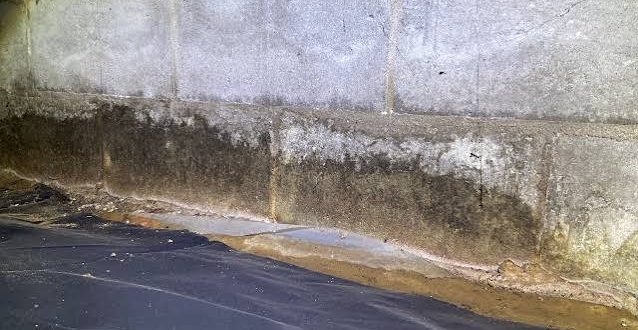
Water stains often tell a clearer story than the puddle found beneath them. Their color, direction, location, and timing can help narrow down whether moisture came through a foundation wall, window, plumbing line, or floor joint. Reading those patterns carefully gives basement leak repair professionals a better starting point for finding the source instead of treating only the visible damage.
Brown Streaks Can Show How Water Traveled Down the Wall
Brown or yellow streaks usually develop as water passes through drywall, wood, dust, or other materials before reaching a visible surface. Vertical lines beneath a window or utility opening may point toward water entering higher on the wall and following gravity downward. Wider staining near the floor can mean moisture spread behind drywall before emerging into the room. Contractors also check whether discoloration becomes darker after rain, since weather-related changes can separate foundation seepage from plumbing problems. Homeowners searching for basement leak repair near me should photograph fresh stains before cleaning them because the original shape can provide useful diagnostic clues.
Why White Powdery Marks Point Toward Masonry Moisture
Efflorescence appears when moisture travels through concrete, block, or mortar and carries dissolved minerals to the interior surface. Evaporation leaves those minerals behind as a white or gray powder that may form lines, patches, or rings. Recurring deposits often indicate that water continues moving through the masonry even if the wall never feels visibly wet. Inspectors look at where the residue begins because staining concentrated near mortar joints, cracks, or the wall-floor seam can reveal the likely pathway. Proper basement leak repair may need drainage or waterproofing work in addition to cleaning the mineral deposits from the surface.
Dark Patches Near the Floor May Signal Groundwater Pressure
Dark staining along the bottom of a basement wall often points to moisture entering near the footing or wall-floor joint. Groundwater can build beneath the slab or beside the foundation after extended rain, then move through small construction joints under pressure. Dampness may first appear as a narrow band before spreading into baseboards, flooring, or nearby drywall. Technicians compare these low-level stains with sump pump activity, soil saturation, and exterior drainage conditions to determine whether hydrostatic pressure is involved. Persistent marks in the same area deserve attention because repeated wetting can damage finishes and keep concealed framing damp.
Rust-Colored Stains Can Lead Back to Metal Components
Orange or reddish marks often come from metal that has stayed wet long enough to corrode. Window frames, fasteners, steel supports, corner bead, conduit, and pipe sleeves can all leave rust trails as moisture passes over them. Location helps determine whether the metal is causing the problem or simply revealing where water has traveled. Inspectors may trace a rust streak upward to a utility penetration or exterior opening that has lost its seal. Continued corrosion can weaken hardware and expand small gaps around metal components, so repair work may involve both stopping the leak and replacing deteriorated parts.
Circular Water Marks Often Develop Around Penetrations
Ring-shaped stains around pipes, cables, or service lines can indicate that the seal between the penetration and foundation has failed. Aging caulk, cracked mortar, minor settlement, or pipe movement may leave a narrow opening that admits groundwater during storms. Moisture sometimes spreads outward from the penetration before running down the wall, creating a halo rather than a straight streak. Professionals check both the inside and outside of these openings because water may be entering several inches away and traveling along the pipe sleeve. Flexible sealants or injection materials may be appropriate once the actual pathway has been identified.
Stains That Appear Only After Rain Narrow the Search
Timing provides one of the strongest clues when diagnosing basement water problems. Marks that darken shortly after storms often point toward roof runoff, grading, window wells, foundation cracks, or saturated soil rather than a continuously leaking supply pipe. Delayed staining several hours after rainfall may suggest groundwater moving slowly through dense soil or a footing drain that cannot keep up. Observers should note which storms trigger the problem because wind direction and rainfall intensity can expose different weak points. A contractor can compare that history with gutters, downspouts, exterior slopes, and wall conditions to reduce unnecessary repair work.
Irregular Ceiling or Upper-Wall Stains May Not Start at the Foundation
Upper-wall staining can lead inspectors away from the foundation and toward plumbing, windows, HVAC equipment, or penetrations above grade. Water can run along joists, pipes, or framing before dripping into a basement several feet from where it first entered. Uneven edges and isolated ceiling marks often deserve a different investigation from the broad staining associated with groundwater seepage. Moisture meters can help trace the wettest route through finished materials without opening large sections immediately. Kennedy and Sons can examine stain patterns alongside drainage, foundation openings, plumbing locations, and wall conditions to pinpoint where moisture is coming from and recommend basement leak repair that addresses the source rather than simply covering the stain.