Isaiminia World Breaking News & Top Stories

Understanding the Emotional Impact of Losing Independence
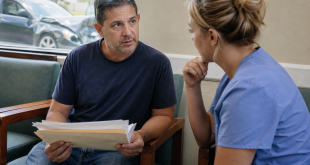
Experiencing a sudden loss of independence due to an accident can be an overwhelming and emotional journey. People often feel waves of frustration, helplessness, and even grief as they adjust to new circumstances. Recognizing and processing these emotions is vital for beginning the healing process. Many survivors struggle with the realization that activities such as driving or handling daily tasks may now require assistance. If you’re facing these challenges in Iowa, RSH Legal provides resources and support for those adjusting to new realities after an accident.
Understanding that emotional distress is a normal reaction can help normalize these feelings and allow individuals to seek support without fear of judgment. Surrounding yourself with empathetic friends or professionals and actively addressing your emotional health are essential parts of this transition. Honest conversations and professional guidance may reduce anxiety and promote acceptance over time. For more on emotional health after trauma, the Mayo Clinic offers resources on managing stress and grief.
Physical Challenges and Adaptations
Physical barriers encountered after an accident can significantly disrupt daily routines. Simple tasks like getting dressed, bathing, or even preparing meals might suddenly feel daunting. Adaptive equipment and thoughtful modifications to living environments can make a considerable difference in regaining autonomy. Installing ramps and grab bars, and using assistive devices, are common ways to increase mobility and peace of mind. According to Consumer Reports, investing in adaptive home features can empower individuals to regain dignity and confidence as they navigate life after an accident. Learn more about helpful home modifications at Consumer Reports.
Consulting with occupational or physical therapists can provide a roadmap towards maximizing physical functioning and independence. These professionals can give personalized recommendations for exercises, routines, and equipment that may promote ongoing recovery while respecting your unique limitations and goals.
Financial Implications and Planning
Financial concerns often follow an unexpected injury. The combination of medical expenses, rehabilitation costs, and potentially lost income can cause significant anxiety. Taking inventory of your current resources, evaluating insurance claims, and researching community or governmental assistance programs are essential steps toward security. Working with a financial advisor can help you develop a personalized strategy to manage both immediate expenses and future planning.
Seeking help from trusted professionals and using tools like disability benefit calculators can illuminate options you might not have considered. Preparing a budget, understanding available support systems, and staying organized about bills and statements can reduce financial strain during recovery.
Legal Considerations and Rights
Accidents often create legal questions regarding compensation, liability, and your rights as a patient or employee. Navigating these issues can be complex, but getting informed about your options is essential. Consulting with an experienced attorney can clarify potential claims, help you understand the compensation you deserve, and outline the process for securing your rights. Proactive legal support ensures you are equipped to advocate for yourself throughout the recovery period. The American Bar Association offers guidance on personal injury law and navigating the claims process. Learn more at ABA Personal Injury Resources.
Building a Support Network
A strong network of support is crucial when working toward regaining independence. Whether you lean on family members, friends, peer support groups, or professional counselors, relationships play an essential role in managing the psychological and logistical burdens of recovery. Connecting with others who have experienced similar setbacks can provide both inspiration and practical advice. Structured support groups and community organizations often host meetings where members share strategies for overcoming daily obstacles and celebrating progress together.
Setting Realistic Goals and Celebrating Progress
Setting incremental, realistic goals can help you track progress and maintain motivation. Even small achievements, such as mastering a new personal care technique or successfully implementing a home adaptation, deserve recognition. Celebrating these milestones fosters hope and resilience, building a positive cycle of encouragement throughout the rehabilitation process. Sharing successes with your support network can amplify feelings of accomplishment and keep you motivated to continue growing.
Embracing New Hobbies and Interests
Rediscovering enjoyment through new activities or hobbies can offer powerful emotional benefits. Many people find that they develop an interest in creative arts, adaptive sports, or lifelong learning during phases of recovery. Exploring fresh opportunities can bring renewed purpose and fulfillment. Even small shifts, like engaging in music or connecting with nature, can ignite a sense of joy and momentum for the future. Consider checking out online courses or local community centers for programs that are accessible to your current abilities.
Seeking Professional Help When Needed
There is no shame in reaching out for professional assistance during the recovery journey. Medical and therapeutic professionals offer both the technical and emotional expertise needed to address the challenges posed by sudden changes in independence. Whether you require physical therapy, counseling, or ongoing medical interventions, seeking help allows for tailored strategies that accommodate your specific needs. Early intervention increases the chances of a smoother transition and optimizes long-term outcomes.
Regaining independence after an accident is a multifaceted process requiring dedication, patience, and a robust support system. By prioritizing emotional well-being, addressing practical challenges, and making informed financial and legal decisions, individuals can embrace life after an accident with resilience and hope. Every step, no matter how small, contributes to reclaiming a meaningful and autonomous life.