Isaiminia World Breaking News & Top Stories
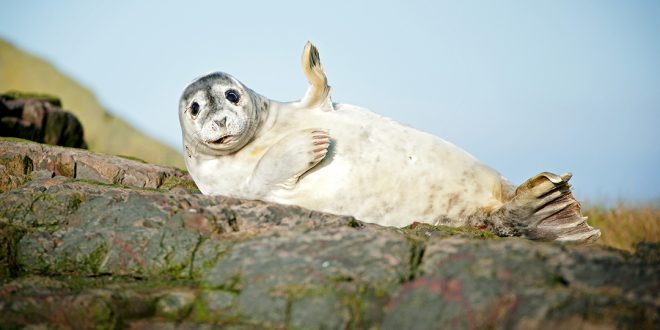
Wildlife photography is one of the most rewarding creative pursuits you can take on. There’s nothing quite like capturing the moment a bird takes flight, a kangaroo grazes at golden hour, or a rare reptile basks in the sun. But with that privilege comes responsibility. If we’re not careful, the very act of taking pictures can disturb animals, damage habitats, or inadvertently promote harmful behaviour.
That’s why sustainable and ethical practice is now at the heart of professional wildlife photography training. A wildlife photography course doesn’t just teach you how to use a camera — it teaches you how to do so thoughtfully, with respect for ecosystems, animal welfare, and environmental stewardship.
In this article, we’ll explore how a wildlife photography course equips you with the skills, knowledge, and mindset to capture the wild beautifully and responsibly.
1. Observing Nature Without Interference
One of the most important lessons any wildlife photography course instils is the idea that observation comes before photography. Animals behave naturally when they’re undisturbed; a true photographer’s role is to witness that behaviour with minimal impact.
Understanding Animal Behaviour
Before you ever raise a camera, experienced trainers teach you to read animal behaviour. This means recognising:
- When an animal is relaxed, alert, or stressed
- Signals that indicate territorial behaviour
- How close you can safely be without causing distress
This isn’t about guesswork — it’s based on biology and field experience. A structured wildlife photography course will show you how to observe from a respectful distance and wait for the moment rather than force it.
Using Long Lenses and Natural Light
Stepping closer isn’t the only way to get a great photo. Wildlife photography courses emphasise tools and techniques that let you stay distant while still capturing detailed shots. Telephoto lenses, for example, allow you to photograph without encroaching on an animal’s space.
Courses also teach how to use natural light — especially at dawn and dusk — so your images have depth and colour without needing intrusive lighting setups that might disturb wildlife.
2. Reducing Your Environmental Footprint
Responsible photography also means being aware of the physical environment. Fragile ecosystems can be disturbed by trampling, noise, or careless movement. A wildlife photography course teaches you how to move through nature without leaving a lasting mark.
Respecting Habitats
Simple steps like staying on trails, avoiding nesting or feeding areas, and limiting noise can make a big difference. Courses encourage photographers to think like ecologists, not just artists — because a thriving habitat makes for better photography for years to come.
Leave No Trace
This phrase isn’t just for hikers. Ethical photographers practise:
- Taking all food and waste with them
- Avoiding single‑use plastics and packaging
- Minimising disruption to soil, plants, or waterways
These practices might seem small, but they preserve the places you want to photograph. The Australian Government’s Department of Agriculture, Fisheries and Forestry provides guidance on responsible wildlife interaction and habitat protection. You can read more here: https://www.awe.gov.au/environment/biodiversity/wildlife
Understanding these principles helps you become part of conservation rather than a contributor to decline.
3. Ethical Storytelling Through Genuine Imagery
Photography is storytelling. But with that power comes responsibility. How you present wildlife in your images affects how others perceive and interact with animals and ecosystems.
Avoiding Harmful Practices
In a wildlife photography course, you’ll learn what not to do as much as what to do. For example:
- Never bait animals to get a shot — this can alter behaviour or put animals at risk
- Avoid staging scenes that misrepresent natural behaviour
- Respect local laws and cultural practices around protected species
A good course emphasises that an image can be stunning and still be respectful.
Educating Through Imagery
Your photos can do more than look good — they can inform and inspire. Ethical photographers use their work to raise awareness about conservation issues, habitat loss, or species decline. This kind of visual storytelling can have real impact, especially when shared responsibly online or in exhibitions.
4. Practical Techniques for Sustainable Wildlife Photography
Ethical practice isn’t abstract theory — it translates into practical skills that improve both your results and your approach to the environment.
Choosing the Right Gear
A wildlife photography course guides you on mindful gear choices:
- Lightweight setups that reduce fatigue and environmental disruption
- Lenses that suit distant subjects to minimise intrusion
- Tripods and stabilisers that don’t damage the ground
This isn’t about having the most expensive equipment — it’s about using what you have wisely.
Editing With Respect
Digital editing is part of modern photography, but a course teaches you how to enhance images without changing their truth. That means subtle colour correction, cropping to improve composition, and removing distractions — but not altering the subject or its context.
Being honest in your editing helps your work stand the test of time and maintains trust with your audience.
Planning and Preparation
Sustainable photography also involves careful planning:
- Understanding seasonal behaviour of animals
- Researching locations to avoid sensitive times (e.g., breeding or nesting)
- Preparing for weather, terrain, and ethical limitations
Planning reduces repeated trips to the same location, which protects wildlife from chronic disturbance.
Video Example — Ethical Photography in Action
Here’s a practical video that illustrates sustainable wildlife photography techniques:
YouTube: Wildlife Photography Tips With Ethical Practice
https://www.youtube.com/watch?v=C4HjfzY3z90
This video shows how experienced photographers approach wildlife thoughtfully — blending patience, respect, and technique to capture powerful images without harm.
Why a Wildlife Photography Course Makes All the Difference
At first glance, wildlife photography might look like an individual, solitary pursuit. But without proper training, even well‑meaning photographers can unintentionally cause harm — from scaring animals to damaging fragile environments.
A wildlife photography course helps you:
- Understand animal behaviour and interpret natural cues
- Use your equipment in a way that avoids disturbance
- Practise ethical storytelling that respects subjects and audiences
- Implement eco‑friendly habits that protect habitats
- Communicate through imagery in a meaningful, positive way
This is not just good practice — it’s the future of wildlife photography as a force for awareness and conservation.
Conclusion: Photography That Cares
Capturing wildlife with a camera is a privilege. But it comes with an ethical obligation to protect what you love to photograph. A wildlife photography course does more than teach technical skills — it teaches values, responsibility, and mindfulness.
When you adopt sustainable practices, your images become more than just visually striking. They carry a message of respect and connection to nature. And in a world facing increasing environmental pressure, that perspective is more important than ever.
If you’re passionate about wildlife and want to learn how to photograph it responsibly and beautifully, a wildlife photography course will give you the skills and the conscience to do it right.