 Isaiminia World Breaking News & Top Stories
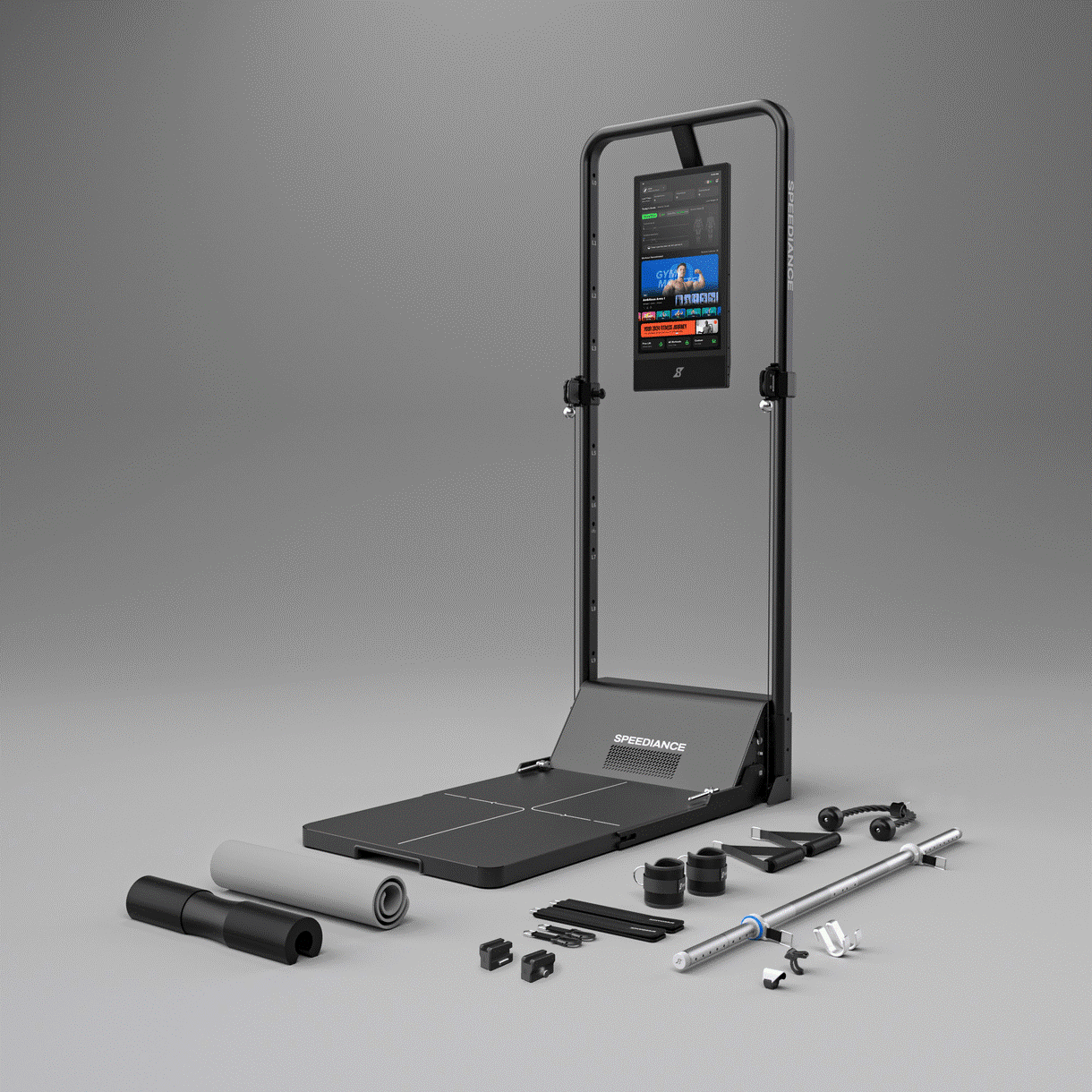
The fitness industry is undergoing a technological revolution, with AI-powered equipment transforming how we train at home. What once required a dedicated room full of iron plates and bulky machines can now be replicated through a single smart device connected to sophisticated algorithms. For fitness enthusiasts, this shift presents a compelling dilemma: should you invest in an innovative AI-driven home gym like Speediance, or stick with the proven reliability of traditional equipment? The answer depends on what you value most—cutting-edge technology with real-time feedback, or the tactile simplicity of conventional weights and machines. This comprehensive comparison examines both approaches through the lens of technology integration, user experience, and long-term value. Whether you’re a tech-savvy athlete seeking data-driven performance insights or someone who prefers straightforward, no-frills training, understanding the strengths and trade-offs of each option will help you build the home gym that truly fits your lifestyle and goals.
What is Speediance? An In-Depth Home Gym Review
Speediance is a smart home gym system that consolidates dozens of traditional exercises into a single, compact machine powered by digital weight resistance and artificial intelligence. Rather than relying on physical plates or pin-loaded stacks, this AI home gym generates resistance electromagnetically, allowing users to switch between exercises and adjust loads instantly through a touchscreen interface or companion app. The system represents a significant leap in fitness technology, merging hardware engineering with software intelligence to create an adaptive training experience that evolves alongside the user.
Key Features of the Speediance Home Gym
The Speediance platform offers adjustable digital resistance that can simulate everything from light rehabilitation work to heavy strength training, all without swapping a single plate. App connectivity enables users to access an extensive workout library spanning strength, functional training, and mobility work, with new programs added through regular software updates. The system includes multiple cable attachment points and accessories that replicate movements traditionally requiring separate machines—lat pulldowns, cable crossovers, squats, and deadlifts all become possible from one station. For fitness enthusiasts who thrive on variety, this consolidation means never outgrowing the equipment or needing to purchase additional pieces as training goals shift. Those interested in a detailed speediance home gym review will find that the platform’s versatility consistently impresses users across all experience levels.
How Speediance Leverages AI and Smart Workout Equipment
The AI engine within Speediance analyzes each repetition in real time, monitoring velocity, power output, and range of motion to build a dynamic profile of the user’s capabilities. Based on this data, the system automatically adjusts resistance mid-set when it detects fatigue or suggests progressive overload when performance trends upward over multiple sessions. It generates personalized routines that account for recovery status, training history, and stated goals—eliminating the guesswork that often stalls progress. This intelligent approach transforms the digital weight machine from a passive tool into an active training partner, delivering the kind of individualized programming that previously required hiring a personal coach.
Traditional Home Gyms: Strengths and Limitations
Traditional home gyms have served fitness enthusiasts for decades, built on a straightforward premise: acquire physical equipment, learn proper form, and progressively increase the load over time. These setups range from minimalist configurations—a bench, a barbell, and a set of plates—to elaborate multi-station machines that occupy entire garage bays. Their greatest strength lies in proven reliability; a well-maintained barbell will function identically in twenty years as it does today, requiring no software updates, subscriptions, or internet connectivity. The tactile feedback of gripping cold steel and the satisfying clank of iron plates create a training atmosphere that many lifters find irreplaceable. However, traditional equipment offers no built-in intelligence, no automatic progression tracking, and no adaptive programming. Users must bring their own knowledge or hire external coaching to optimize results, which creates a significant gap for those who lack training experience or motivation without external accountability.
Common Equipment in Traditional Setups
The foundation of most conventional home gyms includes dumbbells, barbells, weight plates, and a sturdy adjustable bench. Power racks or squat stands provide safety for heavy compound lifts, while cable machines or pulley systems add exercise variety for isolation work. Resistance bands supplement these staples for warm-ups, rehabilitation, and accommodating resistance training. Some enthusiasts invest in specialized pieces like leg press machines, Smith machines, or dedicated lat pulldown stations. Each piece serves a specific purpose, meaning a comprehensive setup demands multiple purchases and considerable floor space. Unlike a smart alternative that consolidates these functions into one unit, traditional equipment requires users to physically move between stations, manually load and unload plates, and mentally track their sets, reps, and weights—tasks that accumulate into meaningful time expenditure over months of training.
The User Experience with Conventional Fitness Gear
Training with traditional equipment places full responsibility on the user for programming, tracking, and form assessment. Most home gym users rely on notebooks, spreadsheet apps, or memory to log workouts, which introduces inconsistency and makes it difficult to identify long-term trends in performance. Without real-time feedback on bar speed, power output, or movement quality, subtle form breakdowns often go unnoticed until they manifest as injury or stalled progress. For self-motivated individuals with deep training knowledge, this autonomy feels liberating. For others—particularly beginners or those returning after extended breaks—the absence of guidance can lead to inefficient sessions, program hopping, and frustration. The experience ultimately depends on what the user brings to the equipment, rather than what the equipment brings to the user.
Smart vs. Standard: A Technology Showdown
When comparing Speediance to traditional home gyms through a pure technology lens, the gap becomes immediately apparent—but whether that gap matters depends entirely on how you train. Traditional equipment operates on mechanical principles that haven’t fundamentally changed in a century. A barbell doesn’t know whether you completed eight reps or twelve, whether your left side is compensating for your right, or whether today’s performance represents improvement over last month. It simply provides resistance, and everything beyond that falls to the user. Speediance and similar smart workout equipment, by contrast, transform every training session into a data-rich event, capturing metrics that would otherwise require expensive lab equipment or a watchful coach’s eye.
AI Home Gym Capabilities: Beyond Basic Workouts
The AI capabilities embedded in Speediance extend well beyond simple rep counting. The system’s form correction technology uses sensors to detect movement deviations—if your cable row starts drifting into excessive spinal flexion, the system alerts you before the pattern becomes ingrained. Adaptive training plans recalibrate weekly based on accumulated performance data, ensuring progressive overload occurs at a pace matched to your actual recovery capacity rather than an arbitrary percentage increase. Community challenges and leaderboard features introduce a social accountability layer that traditional home gyms inherently lack, addressing one of the most common complaints about training alone. The fitness technology powering these features operates continuously in the background, meaning users benefit from machine learning improvements without actively managing the process. Each workout feeds the algorithm, which in turn delivers increasingly precise recommendations—a compounding effect that traditional equipment simply cannot replicate regardless of how much money you invest in additional plates or machines.
Digital Weight Machine vs. Free Weights: A Functional Analysis
The resistance mechanisms differ fundamentally between these two approaches. Free weights rely on gravity acting on mass, creating a fixed load throughout the range of motion with natural acceleration and deceleration demands that develop stabilizer muscles and proprioception. A digital weight machine generates electromagnetic resistance that can remain constant, increase at specific joint angles, or decrease during the eccentric phase—options that allow for training modalities impossible with iron alone. From a safety perspective, digital resistance eliminates the risk of being pinned under a failed rep, making maximal effort training accessible without a spotter. However, free weight advocates correctly note that stabilization demands during barbell squats or overhead presses develop functional strength in ways that guided cable systems cannot fully replicate. The versatility argument cuts both ways: traditional setups allow infinite movement creativity but require extensive equipment collections, while Speediance offers hundreds of programmed exercises within its cable-based framework but remains limited to what its attachment points and resistance mechanism can accommodate. For fitness enthusiasts prioritizing athletic performance and sport-specific training, a hybrid approach often proves most effective—leveraging smart technology for tracking and progressive programming while maintaining foundational barbell work for its irreplaceable neuromuscular demands.
Meeting Fitness Enthusiasts’ Needs: Innovation and Immediate Feedback
Fitness enthusiasts share two universal desires: access to training methods that push boundaries and immediate knowledge of whether their efforts are producing results. These needs have historically required expensive personal trainers, sports science labs, or years of self-education through trial and error. The emergence of smart fitness technology addresses both demands simultaneously, though traditional setups still hold appeal for those who prefer autonomy over automation. Understanding how each approach serves these core needs reveals which investment aligns with your training philosophy.
Access to Innovative Workout Solutions with Speediance
Speediance delivers innovation through continuous software evolution rather than static hardware. Users gain access to training modalities like eccentric overload, velocity-based training, and accommodating resistance curves—methods previously confined to elite athletic facilities. To leverage these solutions effectively, start by completing the system’s initial assessment, which establishes baseline metrics across multiple movement patterns. Next, select a goal-specific program from the regularly updated library, allowing the AI to sequence exercises and modulate intensity based on your assessed capacity. As you progress, explore advanced features like variable resistance profiles that increase load through sticking points and decrease it where joints are most vulnerable. Traditional gyms can approximate some of these methods through chains, bands, or manual load adjustments, but they require significant expertise to implement correctly and offer no automated progression. For enthusiasts who crave novelty and evidence-based programming without becoming exercise scientists themselves, the smart platform removes barriers between cutting-edge training science and daily practice.
Immediate Performance Feedback Systems: How They Work
Real-time feedback transforms training from guesswork into precision work. Speediance captures data through integrated sensors that measure cable velocity, time under tension, and movement symmetry during every repetition. The system displays this information on-screen immediately, enabling mid-set adjustments—slowing a tempo that’s become too ballistic or correcting a lateral drift detected through uneven force production. To utilize this feedback practically, focus first on the power output metric during compound movements, aiming to maintain consistent numbers across all working sets rather than watching them decline dramatically. Use the form analysis alerts as early warning signals, addressing movement compensations before they become habitual. Review session summaries within the app to identify trends across weeks, noting whether average velocity on key lifts is trending upward—a reliable indicator of strength gains even before load increases become possible. Traditional equipment users can partially replicate this through velocity-based training devices or video analysis apps, but these require separate purchases, manual setup each session, and conscious effort to review data afterward. The integrated nature of smart feedback systems means the information arrives without friction, making consistent use far more likely and turning every session into both a workout and an assessment.
Making the Choice: Factors to Consider for Your Home Gym
Choosing between Speediance and a traditional home gym ultimately comes down to four interconnected factors: budget structure, available space, training goals, and your relationship with technology. Neither option is universally superior—each serves different training philosophies and lifestyle constraints. The key is honest self-assessment about how you actually train, not how you aspire to train.
Cost Comparison and Investment Analysis
Traditional home gyms follow a front-loaded cost model—you purchase equipment once and use it indefinitely with minimal ongoing expense beyond occasional replacement of worn accessories. A quality barbell, plates, rack, and bench represent a one-time investment that depreciates slowly and carries no recurring fees. Speediance operates on a different financial structure that combines hardware acquisition with ongoing subscription costs for full access to AI programming, workout libraries, and software updates. Without the subscription, much of the system’s intelligent functionality becomes unavailable, reducing it to a basic cable machine. Over a five-year horizon, calculate total ownership costs for each approach: traditional equipment often proves less expensive cumulatively, but the smart system bundles coaching value that would otherwise require separate personal training fees. For enthusiasts who would hire a trainer or purchase programming regardless, the subscription model may actually represent savings. For self-directed lifters with established knowledge, paying monthly for features they don’t need diminishes long-term value.
Space and Setup Requirements: Practical Considerations
Space efficiency represents one of Speediance’s clearest advantages. The system consolidates dozens of exercise stations into a single footprint roughly the size of a small bookshelf, making it viable for apartments, spare bedrooms, or shared living spaces where a full rack setup would be impossible. Installation is straightforward—most users complete setup within an hour without professional assistance, and the unit can be repositioned if living arrangements change. Traditional home gyms demand dedicated square footage that grows with your equipment collection. A power rack alone requires clearance for bar loading, stepping back for squats, and safety during failed lifts. Add a cable station, dumbbells, and accessory equipment, and you’ve committed an entire room or garage bay. However, traditional setups offer flexibility in configuration—you can arrange equipment to suit your workflow and expand incrementally as budget allows. For renters or those anticipating moves, Speediance’s compact design and relative portability eliminate the logistical nightmare of relocating hundreds of pounds of iron. For homeowners with permanent gym space, traditional equipment’s modularity allows a customized training environment that no single machine can match.
Smart Gym or Traditional Iron: Choosing What Fits Your Training Style
The comparison between Speediance and traditional home gyms reveals two fundamentally different training philosophies rather than a simple better-or-worse hierarchy. Speediance excels in delivering AI-driven personalization, real-time performance feedback, and space efficiency—qualities that serve fitness enthusiasts who value data, guided progression, and technological innovation. Traditional home gyms counter with unmatched durability, zero recurring costs, full movement freedom, and a training experience rooted in proven mechanical principles that develop raw functional strength. Your ideal choice hinges on honest reflection about your training style and priorities. If you thrive on accountability, crave performance metrics, and want coaching intelligence built into every session, a smart home gym aligns naturally with those needs. If you prefer complete autonomy, already possess solid programming knowledge, and find motivation in the raw simplicity of iron, traditional equipment will serve you reliably for decades. Many serious trainees ultimately discover that combining elements of both approaches—using smart technology for tracking and programming while maintaining essential free weight movements—creates the most complete home training environment. Assess your space, budget, experience level, and appetite for technology honestly, then invest in the system that you’ll actually use consistently, because the best home gym is the one that keeps you training.