Isaiminia World Breaking News & Top Stories
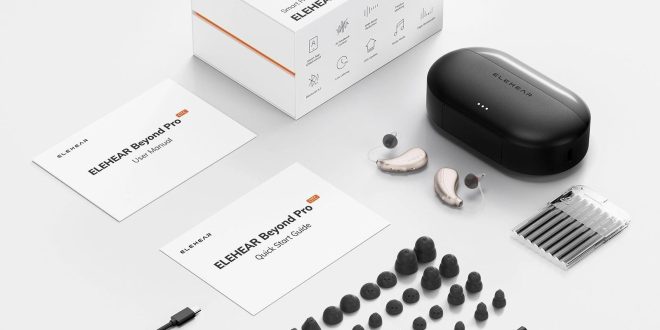
Nearly 50 million Americans experience some form of tinnitus, and for many, the persistent ringing or buzzing intertwines with varying degrees of hearing loss. As awareness grows, so does the search for effective relief—and hearing aids have emerged as one of the most promising solutions. But with the market now split between affordable Over-the-Counter (OTC) devices and feature-rich Bluetooth-enabled hearing aids, choosing the right tool for tinnitus management has become a genuine dilemma. Both categories promise improved hearing and reduced tinnitus symptoms, yet they differ dramatically in personalization, connectivity, and cost. This article cuts through the noise to compare OTC and Bluetooth hearing aids specifically for tinnitus relief. We’ll examine how each technology works, weigh their strengths against their limitations, and help you determine which option aligns with your budget, lifestyle, and the severity of your symptoms. From basic amplification to app-controlled sound therapy, here’s what you need to know before making your decision.
Understanding Tinnitus and Modern Hearing Aid Solutions
Tinnitus manifests as a phantom sound—ringing, buzzing, hissing, or clicking—that only the sufferer perceives. Beyond mere annoyance, it disrupts concentration, sleep, and emotional well-being, often accompanying measurable hearing loss. Modern hearing aids address tinnitus through two complementary mechanisms: amplifying external sounds to reduce the brain’s focus on phantom noise, and generating masking sounds that blend with or override the tinnitus signal. Today’s market offers two distinct paths toward relief. OTC hearing aids provide basic amplification at accessible price points, while hearing aids with Bluetooth unlock sophisticated sound therapy, app-controlled adjustments, and seamless streaming from smart devices. Understanding how each category leverages these mechanisms is essential for anyone seeking meaningful tinnitus management without overspending or underperforming.
OTC Hearing Aids: Features, Benefits, and Limitations
Over-the-Counter hearing aids became widely available to American consumers following FDA regulation changes in 2022, designed specifically for adults with perceived mild to moderate hearing loss. These devices offer basic sound amplification without requiring a professional fitting or audiologist visit. For tinnitus sufferers, OTC aids work primarily by boosting ambient sound levels, which can partially mask phantom noise through environmental enrichment. Some models include preset sound profiles or simple white noise generators, but these features remain limited compared to prescription-grade alternatives.
Affordability and Accessibility for Adults with Hearing Loss
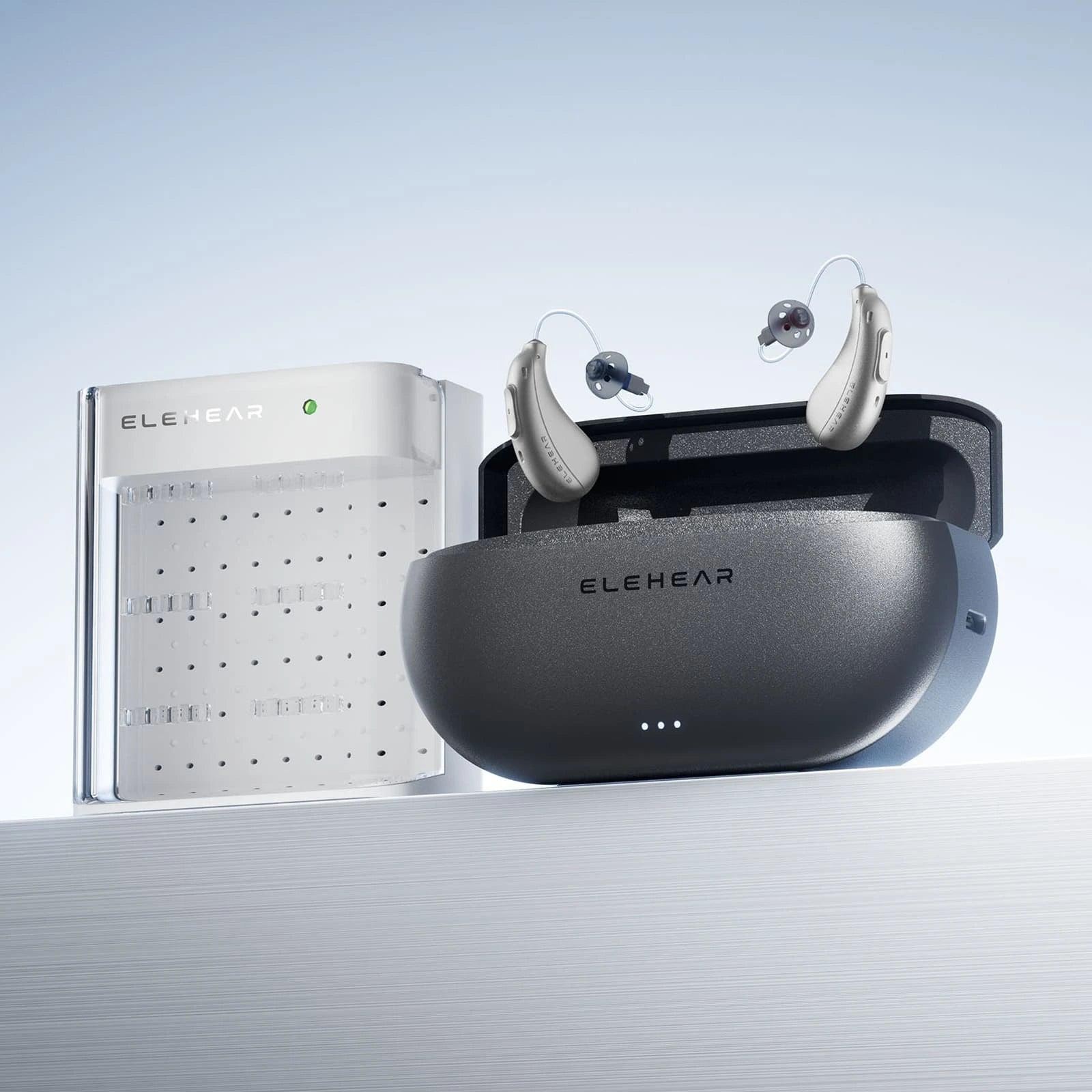
The most compelling advantage of OTC hearing aids is their price point, typically costing a fraction of professionally fitted devices. They’re available at pharmacies, electronics retailers, and online stores without a prescription, removing barriers that previously kept many tinnitus sufferers from seeking amplification. For adults on fixed incomes or those uncertain whether hearing aids will help their tinnitus, OTC devices offer a low-risk entry point. The regulatory framework ensures basic safety and performance standards, giving buyers reasonable confidence in their purchase even without professional guidance.
Challenges in Tinnitus Management with OTC Devices
Where OTC hearing aids fall short is in targeted tinnitus relief. Most lack dedicated sound therapy programs, offering only generic amplification rather than customizable masking frequencies matched to an individual’s specific tinnitus pitch. Without app connectivity, users cannot fine-tune settings in real time or access progressive sound therapy protocols. There’s no integration with smartphones for tracking symptoms or adjusting masking volume throughout the day. For someone whose tinnitus fluctuates in intensity or frequency, the static nature of OTC programming can prove frustrating—delivering adequate hearing support but incomplete tinnitus management.
Bluetooth Hearing Aids: Advanced Capabilities for Tinnitus Relief
Hearing aids with Bluetooth represent a significant leap forward in tinnitus management technology. Unlike their OTC counterparts, these devices connect wirelessly to smartphones, tablets, and computers, transforming them into sophisticated sound therapy platforms. The Bluetooth connection enables real-time adjustments through companion apps, allowing users to modify masking sounds, adjust volume levels, and switch between programs without touching the device itself. Many models incorporate AI-driven algorithms that learn user preferences over time, automatically adapting sound profiles based on environment and time of day. Some advanced units even offer real-time AI translation capabilities, making them multifunctional tools beyond hearing and tinnitus support. The integration of personalized tinnitus masking programs—where audiologists or AI systems match therapeutic sounds precisely to an individual’s tinnitus frequency—sets Bluetooth aids apart as targeted treatment devices rather than simple amplifiers.
Connectivity and Convenience with Smart Devices
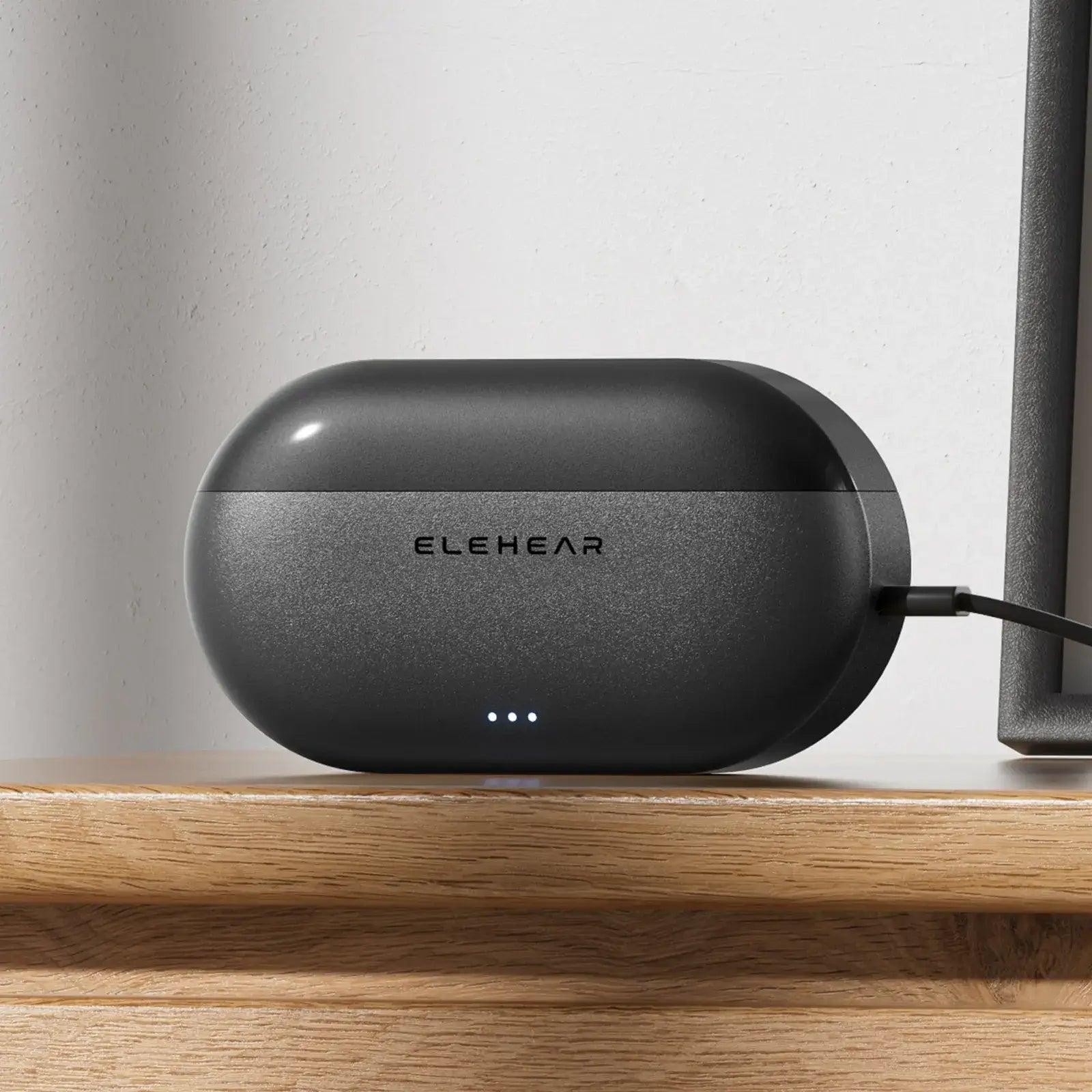
Bluetooth hearing aids stream phone calls, music, podcasts, and meditation content directly into the ear, which serves a dual purpose: improving communication clarity and providing ongoing sound enrichment that naturally suppresses tinnitus awareness. App control means users can discreetly adjust settings during meetings, in noisy restaurants, or before sleep without drawing attention to their devices. Many apps also include symptom tracking, allowing users to log tinnitus severity throughout the day and identify patterns or triggers. This data-driven approach transforms passive device wearing into active tinnitus management, giving users and their healthcare providers actionable insights for refining treatment strategies over time.
Personalized Tinnitus Masking and Sound Therapy
The most clinically significant advantage of Bluetooth hearing aids lies in their customizable sound therapy programs. Rather than offering generic white noise, these devices provide libraries of therapeutic sounds—ocean waves, notched music, fractal tones, and broadband noise—that can be precisely tuned to match or counteract an individual’s unique tinnitus pitch. Structured habituation programs gradually reduce masking volume over weeks, training the brain to deprioritize the phantom signal. Users can schedule different soundscapes for different activities: energizing tones during work hours and calming frequencies before bed. This level of personalization addresses what static OTC devices cannot—the reality that tinnitus varies not just between individuals but within the same person across hours and situations.
Head-to-Head Comparison: Tinnitus Management Effectiveness
When placed side by side, the gap between OTC and Bluetooth hearing aids becomes most apparent in how each handles the unpredictable nature of tinnitus. Both categories amplify external sound, which provides a foundational layer of relief by reducing the contrast between environmental noise and phantom perception. However, the depth and adaptability of that relief diverges sharply once you move beyond basic amplification into active tinnitus intervention.
Effectiveness of Sound Therapy and Masking Features
OTC hearing aids typically offer one or two preset masking options—usually white noise or a broadband static sound played at a fixed volume. While this provides some relief in quiet environments, it cannot adapt when tinnitus shifts in pitch or intensity throughout the day. Users often report initial improvement followed by diminishing returns as the brain habituates to the unchanging stimulus without the tinnitus itself fading. Bluetooth hearing aids counter this limitation with expansive sound libraries and clinically designed habituation protocols. Fractal tones, shaped noise matched to audiometric profiles, and notched audio therapy target the specific neural pathways involved in tinnitus perception. Research consistently shows that frequency-matched masking outperforms generic noise in reducing tinnitus distress scores over time. The ability to layer multiple sound types and adjust intensity dynamically means Bluetooth devices maintain therapeutic effectiveness across weeks and months rather than plateauing early.
Customization and User Control: Which Offers More?
Control is where Bluetooth hearing aids decisively pull ahead. App-based interfaces let users create multiple programs—a focused work setting, a relaxation mode, a sleep-specific soundscape—and switch between them instantly based on context. Real-time sliders for masking volume, tone balance, and amplification strength mean the device adapts to the user rather than demanding the user adapt to the device. OTC aids rely on physical buttons or limited toggle switches, offering perhaps two or three volume levels and no frequency-specific adjustments. For someone whose tinnitus spikes during stressful meetings but recedes during outdoor walks, this rigidity becomes a meaningful clinical limitation. User feedback reflects this divide: satisfaction surveys show Bluetooth hearing aid users report greater perceived control over their tinnitus and higher overall quality-of-life improvements compared to OTC users, even when baseline hearing loss severity is equivalent. The trade-off remains cost—OTC devices deliver acceptable results for stable, mild tinnitus at a fraction of the investment, making them viable for individuals whose symptoms don’t fluctuate significantly.
Step-by-Step Solutions for Choosing the Right Hearing Aid
Selecting the right hearing aid for tinnitus management doesn’t need to feel overwhelming. A structured approach helps you match your specific situation with the technology most likely to deliver meaningful relief.
Addressing Affordability and Ease of Use
Start by honestly assessing your tinnitus severity and budget constraints. If your tinnitus is mild, consistent in pitch, and primarily bothersome only in quiet settings, an OTC device may provide sufficient environmental masking at a manageable cost. Next, evaluate which features genuinely matter for your daily routine. Personalized tinnitus masking and smartphone connectivity become essential if your symptoms fluctuate throughout the day or worsen in specific environments. If you simply need background amplification to take the edge off a steady hum, preset programs may suffice. Consider practical factors like dexterity and comfort with technology. OTC aids with simple controls suit users who prefer a set-and-forget approach, while app-driven Bluetooth devices reward those comfortable navigating smartphone interfaces. Before committing, take advantage of trial periods—many retailers and audiologists offer 30 to 60-day return windows that let you test real-world performance.
Leveraging Advanced Features: AI and Fast Charging
For those leaning toward Bluetooth hearing aids, look for models incorporating AI-driven sound optimization that automatically adjusts masking intensity based on your environment. Brands like ELEHEAR have integrated real-time AI translation features alongside tinnitus management, adding value for multilingual households or frequent travelers and extending the device’s utility well beyond basic hearing support. Fast charge hearing aids deserve attention too—devices that deliver a full day of use from a brief charging session eliminate the anxiety of mid-day battery failure, ensuring your tinnitus masking never cuts out unexpectedly. When possible, consult an audiologist even if purchasing independently; a professional tinnitus pitch-match assessment ensures any Bluetooth device you choose can be programmed to target your exact frequency for maximum therapeutic benefit.
Matching Your Tinnitus Needs to the Right Hearing Aid Technology
The comparison between OTC and Bluetooth hearing aids for tinnitus management reveals a clear distinction in capability, though not necessarily in suitability for every individual. Bluetooth hearing aids deliver superior personalized tinnitus masking through customizable sound therapy, app-driven control, and adaptive algorithms that evolve with your symptoms. They excel for those with fluctuating tinnitus, moderate hearing loss, or demanding listening environments where real-time adjustments make a measurable difference in daily comfort. OTC hearing aids, meanwhile, serve a legitimate role for adults with stable, mild tinnitus who need affordable environmental sound enrichment without the complexity of smartphone integration or professional fitting. They lower the barrier to entry and provide genuine, if limited, relief for many users. Your ideal choice ultimately depends on three factors: how variable your tinnitus is, how much control you want over your sound environment, and what your budget realistically allows. For persistent or disruptive tinnitus, investing in Bluetooth-enabled technology with personalized masking capabilities typically yields stronger long-term outcomes. Regardless of which path you choose, taking action—whether through an OTC purchase or an audiologist consultation—is the most important step toward reclaiming quiet.