Isaiminia World Breaking News & Top Stories
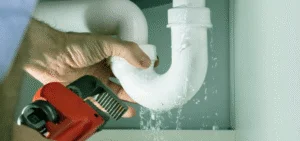
Hidden leaks are something that people tend to overlook in homes or buildings, and also when commercial properties are insured. Leaks, such as from burst pipes or dripping faucets, are not visible because they occur behind walls, under floors and below concrete slabs. A small leak can easily damage the structure, promote mildew to grow, increase your water bill and require big repairs over time. Property owners may prevent long-term harm and act promptly if they understand how to recognise early warning signals.
Why Leaks That Aren’t Easy To See Are So Bad
Hidden leaks nearly never show up. A gradual seep behind walls or beneath floors may cause damage that you won’t notice for weeks or even months. That’s when water seeps into construction materials and makes things like drywall, wood, insulation, and even foundations weaker.
Mold and mildew also thrive in areas with excessive moisture. This damages surfaces and may also make the air and health inside worse. The longer it takes to uncover an issue, the more it costs and the more work it takes to remedy.
Water Costs Are Going To Rise For No Reason
One of the first indicators of a concealed leak is an unexpected surge in water usage. If your bill continues going up but you haven’t altered how you use water, it might be because water is seeping from your pipes.
You can prove it by keeping an eye on your water meter. If the meter remains moving after you turn off all the faucets and other appliances that utilise water, If it occurs, there is probably a leak in the system.
The Hue And The Surface Change
If you notice water spots, chances are good that there are leaks you can’t see. Be on the lookout for yellow or brown splotches on walls and ceilings, paint that’s peeling, wallpaper that’s falling down and surfaces that are not flat. From these hints, it sounds like water is sneaking behind the finishing.
The floor could also offer you some hints. If water gets under the surface, it may cause wood to distort, tiles to move, soft places, or damp spots that you can’t explain.
Less Pressure In The Water
If the water flow drops quickly, it might signify that there is a leak in your pipes. When water seeps out before it reaches the faucets and showers, the pressure reduces.
There are various things that might create pressure difficulties, but if you have them together with increased water bills or wet places, it’s more probable that there is a hidden leak.
The Sound Of Water Flowing
If you hear water flowing while all the faucets are off, it might signal that pipes or walls are leaking. You should never disregard mild hissing, dripping, or rushing sounds.
Listening carefully during calm moments may help you hear odd noises that would typically be covered up by ordinary noise.
Looking At The Foundations And The Outside Surroundings
Leaks don’t always happen inside. When pipes leak underground, certain portions of the yard may become oddly moist, with pools of water or regions with a lot of green growth compared to the rest of the yard.
Cracks in the foundation or wet walls on the exterior might potentially indicate that water is entering the earth. You can halt soil loss and poor structure early on.
What A Professional Leak Search Performs
Even while households may see warning signals, they frequently require sophisticated technologies to determine the precise location of a leak that isn’t visible. With the use of thermal imaging cameras, sound sensors and moisture meters, pros may find leaks without damaging the ground or walls.
If there’s one thing you want in a plumber, it’s someone skilled at diagnosing and solving problems . Choose an expert plumber in Sydney. Professionals will have experience with the area’s water systems, buildings and natural variables that can make a leak difficult to find.
Finding Problems Early Might Help You Keep Your Property Safe
Hidden downspout leaks. Although silent by nature, hidden leaks can be quite detrimental if they aren’t remedied promptly. Property owners can intervene early if they notice small red flags, such as a musty smell, a surge in water bills, discolouration, or weak pressure.
By conducting regular inspections, preventive maintenance and summoning help when you need it, you can protect your home from the costly consequences of water damage — and keep the inside healthy for years to come.