Isaiminia World Breaking News & Top Stories
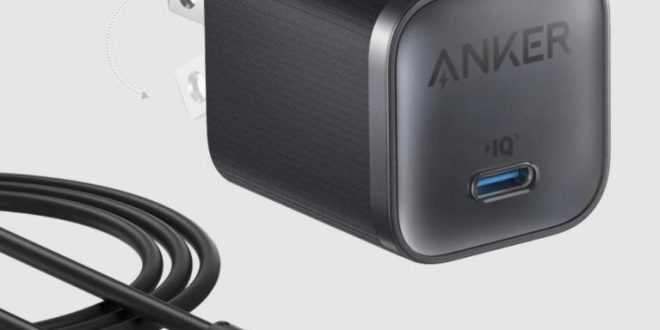
Wattage determines how efficiently your daily devices receive power and how smoothly charging fits into your routine. Many people notice charging speed only when something goes wrong, such as a phone taking hours to charge or a laptop failing to keep up during work. In everyday life, charging usually happens in short windows, like before leaving home or between meetings, which makes correct wattage more important than it seems. Choosing the right charger helps avoid heat buildup, reduces waiting time, and supports long-term battery health without extra effort. In this article, we will break down how to understand charger wattage and apply it confidently to real-world situations.
Start Here: Check Your Device’s Official Requirements
Find Your Device’s Recommended or Maximum Wattage
Every modern device has a recommended or maximum charging wattage defined by its manufacturer. This number represents the highest power level the device can safely and effectively use. You can usually find it in the user manual, technical specifications online, or sometimes printed directly on the device or charger cable. Knowing this wattage removes guesswork and prevents unnecessary upgrades that do not improve charging speed. It also ensures you are working within safe and efficient limits designed specifically for your device.
Understand the Minimum Wattage for Basic Charging
Minimum wattage refers to the lowest power level needed for stable charging under light use. When a charger delivers less than this level, the device may still charge, but much more slowly. In daily life, this often shows up when using an older charger that cannot keep up while you scroll, stream, or work. Over time, relying on underpowered charging can lead to inconvenience, such as leaving home with a partially charged battery. Understanding minimum wattage helps you avoid these subtle but frustrating daily interruptions.
Match Common Devices to Their Ideal Wattage
Matching devices to the right wattage makes charging predictable and stress-free. Most smartphones today perform best between 20W and 30W, balancing fast charging with manageable heat during daily use. Tablets usually need more power, often around 30W to 45W, especially when multitasking or watching videos while charging. Laptops vary widely, but many lightweight models charge comfortably at 45W to 65W for regular work. Thinking in these ranges helps you choose chargers that align with how you actually use your devices rather than relying on trial and error.
The Smart Strategy: Buying a Versatile Charger
Why a 30W or 65W GaN Charger Covers Most Needs
A versatile charger simplifies daily routines by reducing the number of adapters you need. A 30W charger works well for phones and smaller tablets, making it ideal for bedside or travel use. A 65W charger expands that flexibility by supporting laptops while remaining compact enough for everyday carry. This approach is especially useful in shared spaces where different devices rotate through the same outlet. Over time, choosing one versatile charger often proves more practical than owning several specialized ones.
How Multi-Port Chargers Manage Wattage Dynamically
Multi-port chargers distribute power intelligently based on what is connected at any given moment. Instead of splitting power evenly, they prioritize devices that need more energy while still maintaining safe limits. This is especially helpful in households or offices where phones, tablets, and laptops charge together throughout the day. For example, someone comparing best iphone 17 chargers may notice that the Anker Prime Charger (160W, 3 Ports, Smart Display) stands out because it can dynamically adjust output across multiple ports, making it easier to charge several devices at once without slowing any single one down. This dynamic management supports smoother daily charging without requiring manual adjustments or constant unplugging.

Safety First: Avoiding Wattage Mistakes
Can a Higher-Wattage Charger Damage Your Device?
Many people worry that using a higher-wattage charger could harm their device. In reality, modern devices communicate with chargers to request only the power they can safely accept. This means a phone designed for 27W charging will never pull more than that, even if the charger can deliver much more. Built-in safeguards regulate heat and charging speed automatically. As a result, higher wattage usually offers flexibility rather than risk when paired with quality equipment.
The Real Risk of Using a Low-Wattage Charger
Using a charger with insufficient wattage poses more practical problems than many realize. Charging becomes slower, which often leads to devices staying plugged in longer than necessary. During active use, a low-wattage charger may fail to keep the battery level steady at all. This can be especially frustrating during workdays or travel when quick charging windows matter most. Choosing adequate wattage helps ensure charging keeps up with real-life demands.
Conclusion
Choosing the right charger wattage is less about technical complexity and more about understanding everyday needs. By checking official requirements and recognizing realistic charging scenarios, you can avoid common mistakes. A versatile charger supports multiple devices while adapting to different usage patterns. Proper wattage contributes to safer charging and more reliable performance over time. With these principles in mind, you can make a confident choice that fits both today’s devices and tomorrow’s upgrades.