Isaiminia World Breaking News & Top Stories

Art has the power to transform a room from merely functional to deeply memorable. A single piece on the right wall can shift the entire energy of a space, creating atmosphere where there was none. Among the many techniques available to designers seeking that transformative quality, impasto painting stands apart as a uniquely tactile and expressive approach. Rooted in centuries of artistic tradition—from Rembrandt’s luminous portraits to Van Gogh’s swirling landscapes—impasto involves applying paint in thick, deliberate layers that rise from the canvas surface. Today, this technique has found renewed relevance in contemporary interior design, where texture and dimensionality are increasingly prized. For interior designers navigating the challenge of sourcing distinctive art pieces that elevate their projects, impasto offers something digital prints and flat canvases simply cannot: physical depth, light-catching surfaces, and genuine artistic presence. Whether the goal is setting the tone for an entryway or anchoring a living space with a conversation-worthy focal point, impasto painting delivers remarkable versatility and endless inspiration for design professionals seeking to distinguish their work.
What is Impasto Painting? A Foundation for Design
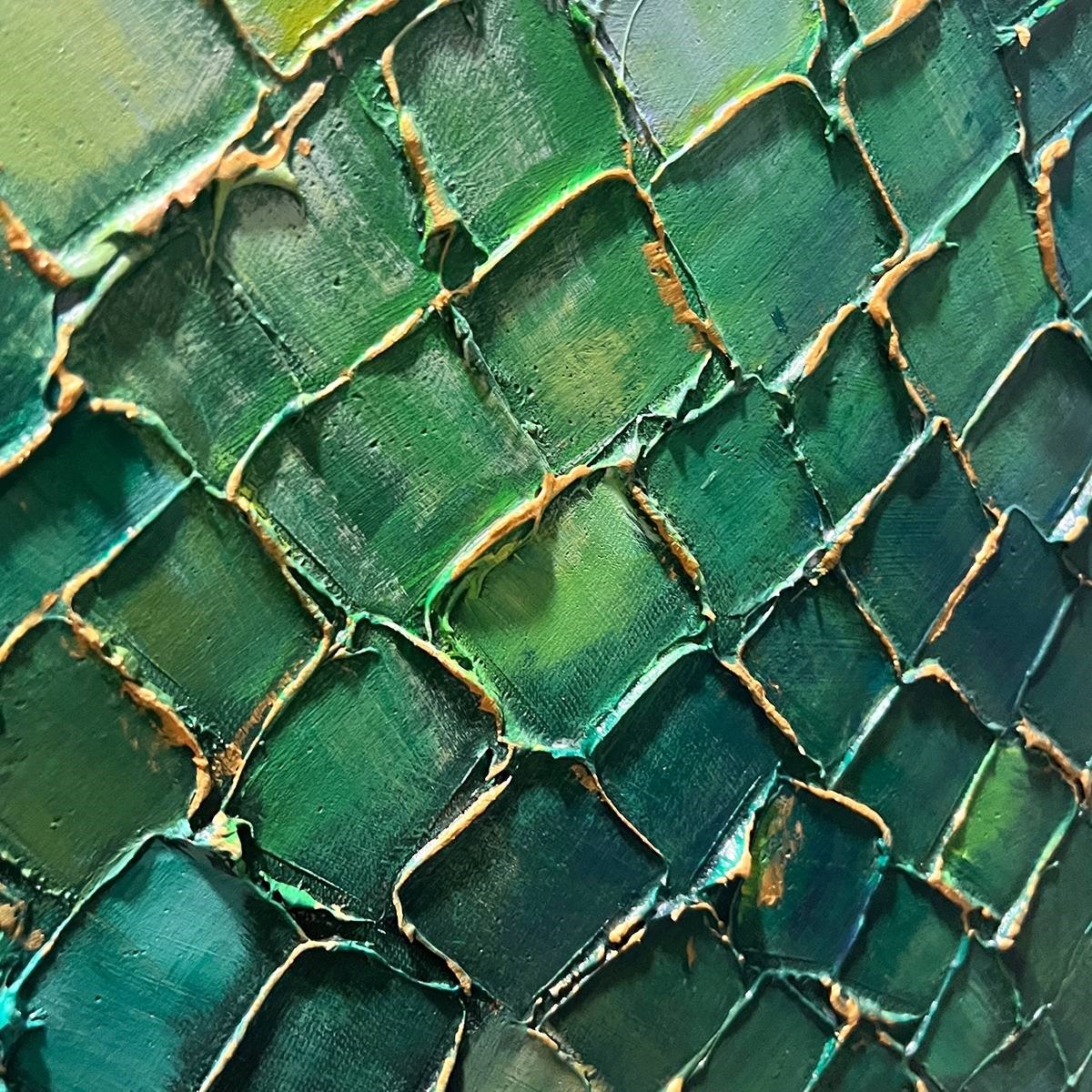
Impasto painting is a technique in which artists apply paint in thick, raised layers using palette knives, brushes, or even their hands, creating a surface that physically projects from the canvas. Originating in the Renaissance and refined by masters like Titian and later embraced by Impressionists and Post-Impressionists, the method carries centuries of artistic weight. What distinguishes impasto from other approaches is its three-dimensional quality—ridges, peaks, and valleys of pigment catch and reflect light differently throughout the day, making each piece appear to shift and breathe within its environment. The dynamic brushwork inherent in impasto creates visible energy, preserving the artist’s gesture in permanent form. Every stroke becomes a record of movement, lending the finished work an immediacy that flat applications cannot achieve. For interior design purposes, this sculptural quality means impasto paintings function as both visual art and textural elements, bridging the gap between decoration and architecture in ways that make them exceptionally suited to thoughtful spatial design.
Key Benefits of Impasto Painting for Interior Spaces
The most immediate benefit of impasto painting in interior design is its ability to generate visual interest that flat artwork simply cannot match. Those thick, sculptural layers of paint create shadows and highlights that shift as natural light moves across a room throughout the day, ensuring the piece never looks static. This quality makes impasto works natural focal points—they command attention without overwhelming a space, drawing the eye and anchoring furniture arrangements around them. Beyond aesthetics, the raised surfaces of impasto paintings add a sense of luxury and craftsmanship that signals intentional design choices to clients and guests alike. The dynamic brushwork visible in each stroke communicates energy and movement, infusing rooms with a vitality that feels alive rather than decorative. For interior designers searching for distinctive art pieces that justify their creative vision, impasto addresses a real gap in the market between mass-produced prints and prohibitively expensive gallery acquisitions. Additionally, the dense paint layers offer a subtle acoustic benefit in hard-surfaced rooms, softening sound reflection in spaces dominated by glass, stone, or polished wood.
Subsection: The Role of Texture in Modern Design
Contemporary interiors increasingly rely on layered textures to create warmth and sophistication, and impasto painting integrates seamlessly into this approach. Against smooth concrete walls, the organic ridges of an impasto piece provide essential contrast. Paired with natural wood furniture, the thick paint echoes grain patterns and organic irregularity. In spaces featuring brushed metal or industrial elements, impasto’s bold physicality holds its own without competing. Traditional interiors benefit equally—a richly textured still life or landscape in impasto feels at home among upholstered furnishings and layered fabrics, reinforcing the room’s sense of depth and history.
Versatile Art Options for Various Wall Art Styles
One of impasto painting’s greatest strengths lies in its adaptability across wall art styles, making it an invaluable resource for designers working on diverse projects simultaneously. In modern minimalist spaces, a monochromatic impasto piece with subtle tonal variations adds the textural warmth these environments often lack without introducing visual clutter. The thick paint surface becomes the focal element in an otherwise restrained palette, proving that texture alone can carry a room. For rustic or farmhouse-inspired interiors, impasto landscapes and botanical studies rendered in earthy tones reinforce the organic, handcrafted narrative central to these aesthetics. The visible brushwork feels honest and unpretentious, aligning with the philosophy of natural materials and artisan craftsmanship. Eclectic spaces benefit from impasto’s inherent boldness—abstract compositions in saturated colors become anchoring elements that unify disparate furniture styles and collected objects into a cohesive story. Scale plays a critical role in this versatility. Oversized impasto canvases create dramatic impact in open-plan living areas and commercial lobbies, while intimate pieces work beautifully in powder rooms, reading nooks, and narrow hallways where their texture can be appreciated at close range. Color palette flexibility further expands the possibilities: cool blues and grays suit coastal or Scandinavian schemes, warm ochres and terracottas complement Mediterranean or desert-inspired rooms, and neutral whites with layered cream tones disappear into monochromatic environments while still contributing dimensional interest.
Subsection: Impasto in Diverse Settings
The MontCarta Signature collection exemplifies how impasto paintings translate across residential and commercial contexts with equal effectiveness. In a high-end residential dining room, a piece featuring deep burgundy and gold impasto strokes becomes the centerpiece that elevates evening gatherings, its textured surface catching candlelight in ways that flat prints never could. That same collection offers pieces suited to boutique hotel reception areas, where guests encounter art that communicates quality and intentionality within seconds of arrival. In corporate environments, abstract works in sophisticated neutral palettes bring humanity and creative energy to otherwise sterile conference rooms and executive offices. When impasto technique meets thoughtful curation, designers gain access to art that solves multiple project challenges without requiring custom commissions or gallery-level budgets.
Inspiration for Entryway Decor Using Impasto Artworks
The entryway is where a home or commercial space makes its first promise to visitors, and that initial moment shapes every perception that follows. For interior designers, this transitional zone presents both opportunity and challenge—the space must communicate personality, set expectations, and create emotional resonance within seconds. Impasto painting is uniquely suited to this task because its physical presence registers immediately, even from a distance. A large-scale impasto piece positioned on a foyer wall acts as an instant declaration of taste, its raised surfaces catching overhead lighting to create drama before a guest has fully crossed the threshold. The dynamic brushwork inherent in impasto naturally suggests movement and progression, making it psychologically appropriate for spaces designed to guide people forward into a home.
When selecting impasto works for entryway decor, consider how directional lighting amplifies texture. A recessed spotlight angled across a thickly painted canvas creates pronounced shadows that shift as visitors move past, turning a static hallway into a kinetic experience. Theme selection matters equally—abstract impasto in warm tones welcomes and energizes, while cool-toned landscapes calm and decompress, ideal for residential entries where the goal is transition from the outside world. For narrow entryways where depth is limited, vertically oriented impasto pieces draw the eye upward, creating the illusion of height and spaciousness. Designers working with clients who want their entry to reflect personal identity might commission or source impasto works incorporating colors drawn from meaningful places or experiences, ensuring the first impression feels authentic rather than staged. Pairing impasto art with simple console tables and minimal accessories prevents visual competition, allowing the texture and energy of the painting to speak without distraction.
Practical Steps to Incorporate Impasto Painting in Design Projects
Successfully integrating impasto painting into interior design projects requires a methodical approach that balances artistic vision with practical considerations. The first step is assessing client needs and space dimensions thoroughly—measure wall areas, note ceiling heights, evaluate existing light sources, and understand how traffic flows through the room. This spatial analysis determines whether a bold oversized piece or a curated grouping of smaller works will serve the design intent most effectively. Next, select appropriate impasto pieces based on the established style direction and project budget. Consider the color temperature of existing finishes, the mood the client wants to achieve, and whether abstract or representational imagery better supports the overall narrative. Designers should request high-resolution detail photographs of any impasto work under consideration, as flat images rarely convey the true depth and shadow play of textured surfaces.
Coordinating impasto art with surrounding design elements is where professional expertise becomes essential. Ensure wall colors provide sufficient contrast to let the painting’s texture read clearly—a heavily textured white impasto piece disappears against a white wall but sings against charcoal or deep navy. Furniture placement should create comfortable viewing distances, typically allowing six to eight feet for large-scale works so the full composition registers before texture details emerge on closer approach. For installation, use heavy-duty hanging systems rated well beyond the artwork’s weight, as impasto canvases carry significantly more material than standard paintings. French cleats offer stability for larger pieces and allow precise leveling. Finally, advise clients on maintenance: dust textured surfaces gently with a soft, dry brush rather than cloth, avoid direct sunlight that accelerates pigment fading, and maintain stable humidity levels to prevent paint layer cracking over time. These concrete steps transform the process from intimidating to manageable, empowering interior designers to confidently specify impasto works that enhance their projects with genuine artistic distinction.
Elevate Your Interiors with the Timeless Power of Impasto
Impasto painting brings something to interior design that few other art forms can replicate—genuine physical depth, shifting light interaction, and the unmistakable presence of human craftsmanship. For interior designers navigating the constant demand for distinctive spaces, this technique offers a reliable path to rooms that feel considered, layered, and alive. The benefits extend beyond aesthetics: impasto works serve as focal points that anchor entire design schemes, provide textural contrast against modern materials, and adapt fluidly across wall art styles from minimalist to eclectic. Whether solving the challenge of a lackluster entryway that needs immediate impact or sourcing art that justifies a project’s creative ambition, impasto delivers with remarkable consistency. The practical considerations—proper lighting, appropriate scale, thoughtful installation, and simple maintenance—are manageable steps that any design professional can master. As clients increasingly seek spaces that engage multiple senses and tell authentic stories, impasto painting remains one of the most effective tools available for creating interiors that resonate long after the first impression. Designers willing to explore this centuries-old technique will find it refreshingly suited to contemporary demands, offering endless possibilities for projects that truly stand apart.