Isaiminia World Breaking News & Top Stories
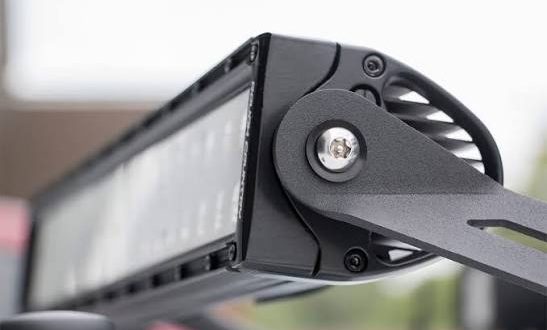
Securing assemblies and installations is a top priority across a multitude of industries, from public infrastructure to advanced electronics. One of the most reliable methods of thwarting theft, unauthorized access, and intentional tampering is through the use of tamper-resistant fasteners. These specialized components elevate the security of any project by requiring unique tools or expertise for removal, creating a noteworthy deterrent for unwanted interference. For those looking to implement such measures, resources like Best Security Screws can provide valuable guidance on product selection and installation.
Tamper-resistant fasteners offer more than just a physical barrier. They provide peace of mind, knowing that critical infrastructure, proprietary devices, or sensitive equipment are supplied with an additional layer of security. Understanding how to correctly choose and implement these fasteners is essential for ensuring long-term protection. Industry leaders have consistently emphasized that a well-installed security fastener can help mitigate risks related to vandalism and theft, helping keep valuable assets safe. More detailed assessments can be found via sources such as Popular Mechanics’ screwdriver set recommendations, which include information about specialized tools required for these unique fasteners.
Understanding Tamper-Resistant Fasteners
Tamper-resistant fasteners are engineered to frustrate efforts to remove them using standard tools. By integrating unique head designs or other features, they cater to applications where security is essential. The most common varieties include:
- One-Way Screws: These can be driven in with a standard screwdriver, but removal demands a specialized tool, making unauthorized disassembly extremely difficult.
- Pin-In-Hex Screws: Equipped with a central pin within the hex socket, these require a matching bit, blocking regular hex tools from fitting.
- Breakaway Nuts: The exterior portion of the nut fractures once a certain torque threshold is reached, leaving a smooth, non-grippable finish that resists further tampering.
Selecting the correct type of fastener for each use case depends on the unique security requirements and the kind of threat one is trying to deter. Some mechanisms are best suited for high-profile public installations, while others fit more discrete or interior applications.
Key Installation Best Practices
The long-term effectiveness of tamper-resistant fasteners depends heavily on proper installation. Adhering to best practices during installation not only boosts security but also extends the longevity of assemblies. Some critical steps to follow include:
- Use the Correct Tools: Always utilize the manufacturer’s specified tools, as improvised alternatives might damage the fastener or fail to achieve proper engagement.
- Apply Appropriate Torque: Each fastener must be tightened according to the manufacturer’s recommended torque settings. Both excessive and insufficient torque can jeopardize the installation, leading to premature failure or making the fastener vulnerable to removal.
- Prepare Surfaces Properly: Before installation, ensure surfaces are free from dust, grease, and corrosion. Clean surfaces support a consistent, high-strength hold, reducing the risk of the fastener loosening over time.
- Match Fasteners to Materials: It’s important to choose fasteners that are compatible with the installation materials to avoid issues such as galvanic corrosion, which can weaken the assembly and lead to unexpected repairs.
Following best practices is key to maximizing tamper resistance. The right preparation and installation techniques help make these fasteners a core component of effective security strategies.
Regular Inspection and Maintenance
While tamper-resistant fasteners are designed for durability, periodic inspection is crucial for ongoing security. Over time, environmental factors such as moisture and vibration can loosen fasteners, while exposure to corrosive agents may degrade their effectiveness. Establishing a regular review protocol allows issues like loose fittings or early signs of corrosion to be addressed promptly. Schedule visual checks and re-torque checks as part of a routine maintenance program to help ensure installations remain secure and operational year-round.
Applications Across Industries
Tamper-resistant fasteners have applications that cut across a wide array of industries:
- Public Infrastructure: Fasteners secure park benches, public signage, and lighting fixtures, reducing vandalism and maintenance costs.
- Electronics: Enclosure fasteners keep sensitive circuitry and intellectual property safe from tampering or theft.
- Automotive: Security fasteners hold vital vehicle components in place, contributing to occupant safety and deterring parts theft.
- Healthcare: Medical devices are secured to ensure proper functioning, patient safety, and compliance with industry regulations.
The adaptability and robustness of tamper-resistant fasteners have made them a foundational aspect of security protocols in environments ranging from high-traffic urban spaces to sterile hospital settings.
Choosing the Right Fastener for Your Needs
Choosing the optimal tamper-resistant fastener requires a comprehensive assessment of the intended security level, the environmental conditions, and the compatibility with surrounding materials. It is often beneficial to consult with industry experts or reputable manufacturers to determine which solutions are best suited for your particular challenge. Consulting guides and expert opinions, like those found on This Old House, can offer further insights on material compatibility and environmental considerations, ensuring informed decision-making for every installation scenario.
Conclusion
The deployment of tamper-resistant fasteners is a strategic move for any organization concerned about security and asset protection. By investing in the right fastener type, following precise installation guidelines, and committing to ongoing inspection, companies can significantly reduce vulnerabilities and maintain the integrity of their assets. The commitment to these best practices, paired with the insights from dedicated resources, ensures long-lasting protection and operational peace of mind.