Isaiminia World Breaking News & Top Stories
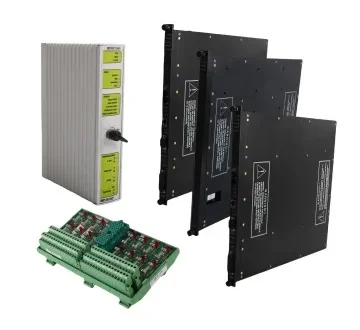
Every year, manufacturing facilities bleed thousands of dollars on industrial components they could have sourced smarter. For operations running on Invensys automated parts, this problem hits particularly hard — procurement teams often accept inflated prices simply because they don’t know where else to look or what alternatives exist.
The reality is that Invensys spare parts, from control system drives to programmable logic controllers, carry price tags that reflect OEM premiums, supply chain bottlenecks, and market leverage — not necessarily true market value. When budgets tighten, these costs don’t just strain the maintenance department; they ripple across the entire operation, delaying upgrades, reducing agility, and cutting into profitability.
This article is designed to change that. Whether you’re managing a lean maintenance team or overseeing procurement for a large facility, you’ll find practical strategies here for sourcing Invensys automated parts at competitive prices, managing surplus inventory efficiently, and implementing maintenance practices that reduce your dependency on costly emergency purchases. The goal is simple: help you spend less without compromising reliability.
The Hidden Costs of Invensys Automated Parts
Factors Driving Up Prices
When procurement teams dig into what they’re actually paying for Invensys spare parts, the numbers rarely reflect raw component value. A significant portion of the cost comes from OEM markups — premiums that manufacturers charge simply because they control the supply chain. Invensys systems, particularly control system drives and programmable logic controllers, rely on proprietary technology that limits compatible replacements. This design intentionally narrows your options, keeping you tethered to a short list of approved vendors who face little competitive pressure to lower prices.
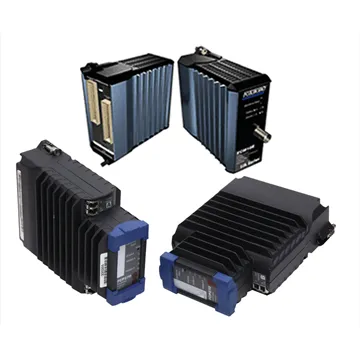
Urgency compounds the problem. When a critical drive fails mid-production, buyers lose all negotiating leverage. Suppliers know that downtime costs far exceed part costs, so emergency purchases routinely carry 30–60% premiums over standard pricing. Add to this the reality that many distributors hold limited stock of specialized Invensys components, creating artificial scarcity that further inflates quotes. Geographic supply chain disruptions — whether from logistics bottlenecks or manufacturer allocation policies — push prices even higher for facilities that haven’t built alternative sourcing relationships.
Impact on Manufacturing Budgets
The financial damage extends well beyond the line item on a purchase order. Maintenance departments operating with fixed budgets find that one or two unplanned Invensys spare parts purchases can consume funds earmarked for scheduled upgrades or preventive work. Over a fiscal year, facilities that reactive-purchase rather than strategically source can overspend their parts budget by 20–40%, according to industry estimates.
That overspending doesn’t stay contained to maintenance. Capital projects get deferred, staffing decisions become constrained, and operational agility shrinks. Facilities running aging control system drives that need frequent replacement feel this most acutely — each reactive purchase reinforces a cycle that’s difficult to break without deliberate procurement reform. Recognizing these hidden costs is the first step toward building a smarter, more cost-conscious approach to sourcing.
Smart Sourcing for Cost-Effective Invensys Spare Parts
Identifying Reliable Suppliers
Finding trustworthy suppliers for Invensys spare parts requires more than a quick internet search. Start by evaluating whether a distributor holds relevant industry certifications — ISO 9001 certification, for instance, signals that a supplier maintains documented quality management processes. Beyond credentials, dig into customer reviews on industrial procurement forums and platforms like Thomasnet or IndustryNet, where buyers from similar manufacturing environments share candid assessments. Pay particular attention to feedback about lead times and part authenticity, since counterfeit components are a genuine risk in the secondary market. A supplier’s years of experience with Invensys systems specifically — not just general automation components — matters considerably when you’re sourcing programmable logic controllers or specialized drives.
Comparing Prices and Quality
Price benchmarking is straightforward once you build the habit of collecting multiple quotes before committing. For any Invensys spare parts purchase above a threshold your team sets, require at least three quotes from different sources — authorized distributors, independent suppliers, and reputable online industrial marketplaces such as eBay Industrial or Radwell International. Suppliers like Apter Power, which specialize in sourcing hard-to-find components across industrial and automation sectors, can also be worth including in your comparison pool. This practice alone often reveals price gaps of 20–35% between vendors for identical components. Quality assurance should run parallel to price comparison: request documentation of part origin, test certifications, and warranty terms. A lower price with a 90-day warranty and traceability documentation is almost always preferable to a slightly cheaper option with no accountability. Some suppliers also offer tested and inspected used parts that perform equivalently to new ones at significantly reduced cost.
Solution Steps: How to Negotiate Better Deals
Negotiating better pricing on Invensys spare parts is a skill that compounds over time. First, consolidate your purchases where possible — buying multiple components from one supplier in a single order gives you legitimate leverage to request volume discounts, often ranging from 10–25% off list price. Second, cultivate relationships with two or three preferred suppliers rather than shopping one-off each time. Suppliers prioritize reliable repeat customers with faster fulfillment and better pricing tiers. Third, don’t overlook professionally refurbished parts. Many reputable rebuilders restore control system drives and PLCs to full operational spec, often backed by warranties comparable to new parts but priced 30–50% lower. Finally, plan purchases around your maintenance schedule rather than waiting for failures — non-urgent orders give you time to negotiate and avoid the emergency premium that erases any potential savings.
Optimizing Inventory Management for Control System Drives
Assessing Your Current Inventory
Most facilities carrying Invensys components are sitting on more stock than they realize — and paying for storage, insurance, and capital tied up in parts that may never move. A meaningful inventory assessment starts with pulling a complete list of every control system drive, PLC, and associated component on hand, then cross-referencing that list against actual consumption data from the past 24 months. Parts with zero or near-zero usage during that window are strong candidates for reclassification as surplus. Demand forecasting doesn’t need to be complex: maintenance logs, equipment age, and manufacturer end-of-life notices give you enough data to estimate realistic reorder needs without overstocking.
Techniques for Reducing Surplus Parts
Once you’ve identified slow-moving stock, several practical options exist for recovering value. Part standardization is one of the highest-leverage moves available — when engineering and maintenance teams agree to consolidate around fewer drive models and PLC variants, you reduce the number of unique SKUs you need to stock while increasing the utility of each unit on the shelf. Cross-department sharing is equally underutilized: facilities with multiple production lines often have surplus control system drives sitting idle in one area while another department places an outside order for the same component. Internal transfer protocols eliminate that redundancy. For parts that genuinely can’t be absorbed internally, industrial liquidation platforms and surplus equipment dealers offer a path to recover a portion of the original cost rather than writing off obsolete inventory entirely.
Solution Steps: Implementing an Efficient Inventory System
Building a functional inventory system for control system maintenance doesn’t require enterprise-level software. Start by tagging every Invensys component with a unique identifier and logging it in a shared tracking tool — even a well-structured spreadsheet works as a starting point before graduating to dedicated CMMS platforms like Fiix or UpKeep. From there, establish minimum and maximum stock thresholds for your highest-turnover parts, triggering reorder only when inventory drops below the minimum. Tie these reorder points directly to your preventive maintenance schedule so that planned part replacements drive purchasing decisions rather than reactive failures. Review thresholds quarterly and adjust based on actual consumption patterns, equipment changes, or upcoming decommissioning plans. This cycle of tracking, threshold management, and scheduled review keeps inventory lean without exposing your operation to shortages.
Proactive Maintenance for Control Systems to Cut Costs
The most expensive Invensys spare parts purchase is the one you didn’t see coming. Reactive maintenance — waiting until a component fails before addressing it — consistently costs more than scheduled upkeep, both in emergency part premiums and in unplanned downtime. A proactive approach to control system maintenance shifts that dynamic, turning unpredictable failures into manageable, budgeted events.
Regular Checks and Updates
Routine inspection intervals for Invensys control systems should be built into the maintenance calendar rather than performed on an ad hoc basis. Key tasks include checking drive cooling fans and heat sinks for dust accumulation, verifying connection integrity on PLC input/output modules, inspecting capacitors in aging drives for signs of degradation, and confirming that firmware versions are current. These checks take relatively little time but catch early-stage issues before they escalate into component failures. Facilities that document inspection findings over time also build a useful failure history — one that reveals which components fail most frequently and helps justify stocking decisions for critical spare parts.
Preventing Costly Downtime
Diagnostic tools built into modern Invensys systems, including fault logging and real-time parameter monitoring, give maintenance teams early warning signals that manual checks might miss. Training staff to interpret these diagnostics correctly is a direct investment in cost avoidance — a technician who recognizes abnormal drive temperature trends can schedule a replacement during planned downtime rather than scrambling during a production run. Scheduling maintenance windows during off-peak production hours further reduces the cost impact of any necessary part swaps. Together, these practices shrink the pool of emergency purchases that carry the steepest price premiums, making proactive control system maintenance one of the most effective levers for reducing overall parts spend.
Smarter Procurement Starts with the Right Habits
Overpaying for Invensys automated parts isn’t inevitable — it’s a procurement habit that can be broken with the right approach. The strategies covered here point toward three core shifts: sourcing smarter, managing inventory leaner, and maintaining systems more proactively. Each one independently reduces costs, but together they create a compounding effect that meaningfully lowers your total parts spend over time.
Start by auditing what you’re currently paying versus what the market actually offers. Pull quotes from multiple suppliers, evaluate your surplus stock against real consumption data, and review whether your maintenance schedule is driving purchasing decisions or reacting to failures. These aren’t complex initiatives — they’re disciplined practices that any procurement or maintenance team can implement without significant investment.
The facilities that consistently control their parts costs aren’t doing anything extraordinary. They’ve simply built systems that replace reactive purchasing with deliberate planning. If your operation is still absorbing emergency premiums, carrying excess inventory, or deferring maintenance until failure, now is the time to change that. Take one action this week — whether it’s requesting competitive quotes on your next Invensys spare parts order or scheduling an inventory review — and build from there. The savings are real, and they’re within reach.