 Isaiminia World Breaking News & Top Stories
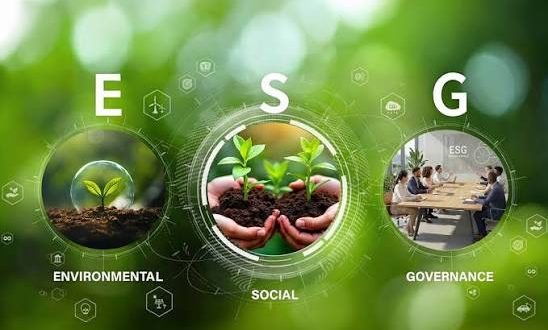
ESG (Environmental, Social, and Governance) is a significant part of how modern businesses operate. As sustainability, corporate responsibility, and transparency become greater focuses, companies are expected to have a good understanding of the impact of their decisions.
It can be very challenging to fully understand environmental social and governance esg. Understanding the basics, the common myths, and the potential benefits is the first step in preparing for a more sustainable future.
ESG Landscape – What You Need to Know
“ESG” stands for environmental, social, and governance. It is a way of assessing how responsibly and sustainably a business is run. It is crucial that you know its relevance in today’s business processes. Together, they give you a much more complete picture of the business’s long-term viability.
The “environmental” component looks at resource use and climate impact. The “social” element is about the treatment of staff and the business’s relationship with the community. And the “governance” aspect concerns the quality of leadership, the level of accountability, and the presence of governance practices.
ESG Is Not Just for Large Corporations
A very common myth is that ESG only applies to the big companies. The reporting requirements may initially apply only to large companies, but smaller businesses can be affected through their supply chains. The major companies are increasingly asking their suppliers for ESG information as part of their own reporting. Having ESG information in place can be a significant competitive advantage for smaller businesses.
Environmental Responsibility as a Business
Environmental responsibility is understanding all about energy efficiency, waste management, water usage, resource use, and climate risk. That’s what you need to understand to identify the environmental issues a business faces. This way, you can improve efficiency and develop a strategy to support the business in the long term.
Social Responsibility for Small Businesses
The social aspect examines how a business interacts with its employees, customers, suppliers, and the wider community. Important issues to consider here are workplace safety, fair treatment of employees, diversity, human rights, and the general well-being of everyone involved. Businesses that practice social responsibility will have a more satisfied workforce. They will also be more equipped to build a good reputation in the industry.
Importance of ESG Reporting
ESG reporting allows a company to communicate its performance and demonstrate accountability. There are climate-related disclosure requirements for businesses within their reporting scope. Knowing the requirements will help a company produce reliable information. This can help avoid the stress of trying to meet them at the last minute.
Advantages of Early ESG Preparation
Waiting until ESG reporting becomes mandatory is not practical. Getting started early gives you the time to properly understand the business risks, set out measurable targets, and improve your internal processes. It can also be a way to build stronger customer relationships and attract investors. Create opportunities to win the trust of responsible suppliers.
ESG Is a Continuous Business Journey
Businesses do not need to be completely sustainable overnight. A sensible ESG strategy starts with a good plan. Identify the relevant risks, understand the current state of operations, and then set realistic targets for improvement. The strategy can then be monitored through regular assessments and reliable data collection. This can help businesses prepare for any market change.
Conclusion
The ESG landscape is changing and is becoming increasingly important across all sectors. There are a number of myths out there which make ESG seem more complex than it actually is, particularly for smaller businesses. It is important to understand that ESG is not just for the big players of the industry. When done correctly, even smaller businesses can benefit from this, too.