 Isaiminia World Breaking News & Top Stories
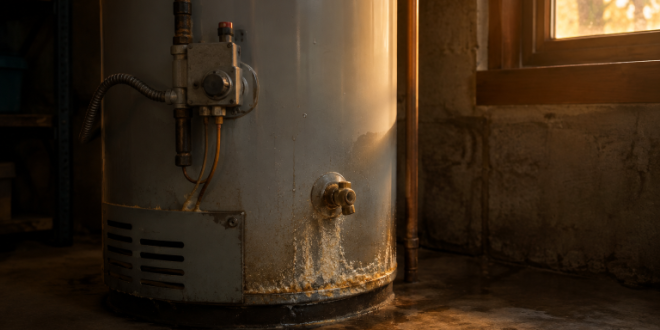
In Ogden, Utah, dependable hot water matters year-round, especially when a cold morning, a busy household, or an older home puts extra demand on a water heater. Many problems begin with small changes, such as a new noise, a slower recovery time, or moisture beneath the tank. Paying attention early can help prevent a surprise loss of hot water and limit damage from an active leak.
Homeowners do not need to diagnose every issue themselves, but knowing what to observe makes the next step clearer. If a system is acting differently than usual, scheduling water heater repair in Ogden UT, can help identify whether the problem involves a connection, a safety component, sediment, a heating part, or the tank itself.
Why Warning Signs Matter
Water heaters usually do not fail without any clues. A change in water temperature, a puddle near the unit, discolored hot water, or repeated popping sounds can indicate that the system needs attention. Early action may reduce wasted water, prevent damage to flooring or stored belongings, and give a homeowner time to compare repair and replacement options.
Water conditions can also affect what homeowners see inside plumbing fixtures and appliances. Ogden residents can review the city’s annual water quality reports for information about the local public water supply. Regardless of the source of supply, mineral deposits can accumulate in water-heating equipment over time, so changes in performance should not be ignored.
Common Signs of Water Heater Trouble
One symptom can have multiple causes, so it is best to note when the issue occurs and whether it affects every hot-water fixture. Common warning signs include:
- Little or no hot water.
- Water that alternates between hot and cold during normal use.
- Rumbling, popping, knocking, hissing, or sizzling sounds.
- Moisture, rust staining, or mineral residue around the tank, valves, or drain pan.
- Rust-colored water that appears only when the hot tap is used.
- A sulfur-like or metallic odor from hot water.
- A temperature and pressure relief valve that drips repeatedly.
- Longer-than-usual heating cycles or noticeably higher energy use.
What Strange Sounds May Mean
Rumbling or Popping
Rumbling and popping can occur when sediment collects in the bottom of a storage tank. Water beneath the buildup may heat unevenly, creating noise as it turns to steam and moves through the deposits. The sound does not automatically mean the tank has failed, but it can accompany reduced efficiency and longer recovery times.
Hissing or Sizzling
Hissing or sizzling warrants closer attention when accompanied by visible moisture. Water may be dripping onto a hot surface, escaping from a fitting, or reaching an area where it should not be. If water is near electrical parts, if the leak is spreading, or if a gas appliance produces a gas odor, leave the repair to a qualified professional.
Why Sound Alone Is Not a Diagnosis
The timing of the sound matters. Note whether it happens only while the unit is heating, whether it is new, and whether there are leaks or temperature changes at the same time. Those details help narrow down the cause without requiring a homeowner to remove panels or take the appliance apart.
When Water Color, Smell, or Temperature Changes
Rust-Colored Water
If rusty water appears only at hot taps, corrosion within the water heater or nearby hot-water connections may be involved. Compare hot and cold water from the same faucet. If discoloration appears on both sides, the cause may be elsewhere in the plumbing or water supply. Take note of whether the color clears quickly or continues after the water runs.
Odors From the Hot Side
A sulfur-like smell that appears only with hot water may indicate a condition within the heater rather than in the cold-water supply. Because water chemistry, protective tank components, and plumbing materials can all play a role, internal adjustments should be made only after a proper inspection.
Water That Is Too Hot or Too Cold
Inconsistent temperatures can relate to controls, heating elements, burners, mixing valves, or household demand. Very hot water can cause burns quickly, particularly for children and older adults. The CDC notes that higher heater settings increase the risk of scalding and that mixing hot and cold water at the tap can help reduce that risk when higher storage temperatures are used.
How to Respond to Leaks
A small drip can become a larger problem, so treat water around a heater seriously. Start with safe, simple steps:
- Keep children and pets away from the area.
- Look from a safe distance to see whether water is coming from a pipe connection, valve, drain, or the tank body.
- Place a container below a minor drip only if it can be done without touching hot surfaces, wiring, or gas connections.
- Shut off the water supply if the leak is growing or water is pooling.
- Turn off power or fuel only when the shutoff is clearly identified and safely accessible.
- Call for prompt help if water is spraying, reaches electrical components, or comes from the tank seam.
A loose-fitting garment may be repairable. Water escaping from a tank seam or the base of the tank can indicate internal corrosion, which often changes the conversation from repair to replacement.
Safe Checks Homeowners Can Make
- Read the manufacturer’s label and record the model, serial number, and installation date if shown.
- Look for corrosion, water stains, white mineral deposits, or standing water.
- Listen from a safe distance during a heating cycle.
- Test hot and cold water at multiple fixtures.
- Track whether the problem occurs only during heavy use or throughout the day.
- Take clear photos of visible leaks, labels, and corrosion.
Do not remove access covers, bypass safety controls, test live electrical components, or open gas connections. Those tasks carry risks that outweigh the value of a do-it-yourself inspection.
Simple Maintenance Steps
Maintenance needs vary by equipment type. Tank, tankless, gas, electric, and heat-pump water heaters do not all use the same components or service process. Keep the area around the unit dry and clear, inspect exposed connections periodically, and watch for changes in recovery time, noise, or water temperature. Ask a qualified professional whether flushing is appropriate for the specific model and its condition.
Repair or Replacement?
Repair may make sense when the tank is sound, and the issue involves a replaceable part. Trained professionals are best equipped to handle active leaks and internal repairs. It may be practical when the tank body is leaking, corrosion is widespread, failures keep returning, or the unit no longer meets household hot-water needs. A clear explanation of the failed part, repair cost, expected service life, and replacement alternatives makes the decision easier.
When to Call a Qualified Professional
Seek professional help promptly for a tank leak, standing water, a relief valve that frequently discharges, repeated loss of hot water, water near electrical parts, or any gas odor. A water heater is a combination of plumbing, pressure, heat, and, depending on the model, electricity or gas. Careful observation is useful, but active leaks and internal repairs are best handled by trained professionals.
Final Takeaway
For Ogden homeowners, a new sound, an odd odor, rusty hot water, a temperature swing, or a damp spot near the heater is worth investigating. Recording symptoms and acting early can help protect the home, preserve hot-water comfort, and support a safer decision about repair or replacement.