 Isaiminia World Breaking News & Top Stories
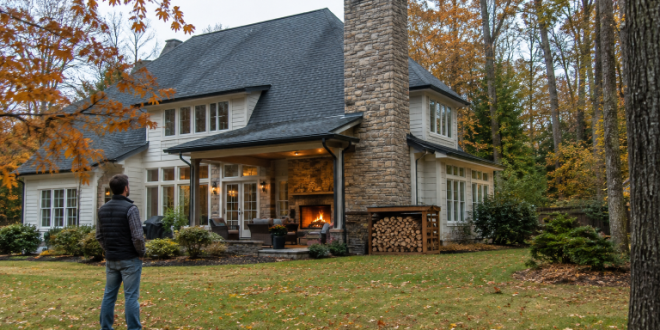
Key Takeaways
- Regular chimney care can reduce the risk of fire, smoke backup, and blocked venting.
- Atlanta homeowners should inspect fireplace systems before regular seasonal use, especially after long periods of inactivity.
- Dry, appropriate firewood and working smoke and carbon monoxide alarms are essential parts of safer fireplace use.
- Smoke in the room, visible damage, water stains, or suspected nesting activity are reasons to pause use and arrange an inspection.
Why Fireplace Safety Deserves Attention in Atlanta
Even in Atlanta, where fireplaces may sit unused for much of the year, a cold snap can quickly turn the hearth into a daily feature of the home. Before lighting the first fire of the season, homeowners should make chimney care part of their preparation. For help arranging professional service, check this page before relying on a fireplace that has been dormant since last winter. A fireplace can appear to operate normally while residue, a partial blockage, moisture damage, or a damaged component remains hidden farther up the flue. Preventive care is generally simpler than responding to smoke damage, a chimney fire, or an emergency repair during a busy heating period.
What Builds Up Inside a Chimney?
Wood fires create soot and creosote, a combustible residue that can form when smoke cools and condenses on flue walls. Ash, leaves, animal nesting materials, and other debris can also interfere with airflow. In a wooded metro area like Atlanta, seasonal leaf drop and storm activity can make a chimney cap and chimney opening worth checking from the ground. Thin soot is not the only concern. Thick, flaky deposits or hard, shiny-looking residue may indicate heavier creosote accumulation. A firebox can look reasonably clean while deposits or obstructions remain higher in the chimney, beyond what is visible from the living room.
Signs That a Chimney Needs Attention
Do not assume an issue will correct itself after the next fire. Stop using the fireplace and consider a professional evaluation if you notice any of the following:
- Smoke enters the room instead of consistently moving up the chimney.
- A strong smoke odor lingers after the fire has gone out.
- Black flakes, heavy soot, or shiny residue appear near the firebox.
- The fire burns poorly or seems unable to draw enough air.
- Birds, leaves, or nesting material are visible around the chimney opening.
- Water stains appear near the fireplace, ceiling, or chimney wall.
- Cracked masonry, loose bricks, damaged mortar, or a leaning chimney cap can be seen from the ground.
How Often Should a Chimney Be Checked?
Inspection and cleaning needs depend on the appliance, fuel, frequency of use, chimney condition, and prior maintenance history. A prudent approach is to have a wood-burning fireplace and its chimney evaluated before each heating season, with more frequent attention when the system is heavily used or produces unusual smoke. Local building requirements, insurance conditions, and appliance instructions can differ, so homeowners should follow the rules that apply to their property and equipment. A chimney that drafts poorly, has visible damage, or has gone unused for several years should be assessed before another fire is lit.
A Simple Pre-Season Chimney Checklist
- Look over the fireplace surround and visible exterior chimney for cracks, staining, or loose material.
- Open and close the damper to confirm it moves freely.
- Check for leaves, nests, or animal activity near the chimney opening.
- Test smoke alarms on every level of the home.
- Test carbon monoxide alarms near sleeping areas according to the manufacturer’s instructions.
- Confirm that firewood is dry and stored outdoors, away from the house.
- Schedule service if the system has not been inspected or cleaned recently.
Choose Fuel That Burns More Cleanly
Fuel choice affects both fireplace performance and chimney buildup. Burning dry, seasoned wood helps produce a hotter, cleaner fire than wet or freshly cut wood. Damp fuel uses heat to evaporate water, which can create more smoke and increase deposits inside the flue. Never burn household trash, plastic, painted lumber, pressure-treated wood, or construction scraps in a fireplace. These materials can release harmful pollutants, damage the appliance, or create excessive residue. Use only the fuels approved by the fireplace, stove, insert, or gas-log manufacturer.
Smoke and Carbon Monoxide Safety
Smoke and carbon monoxide are different hazards, but both demand attention. Smoke is often visible and irritating. Carbon monoxide is colorless and odorless, which is why alarms are important in homes with fireplaces, wood stoves, gas appliances, or attached garages. Install and maintain alarms as required by local rules and the device manufacturer. Alarms are a backup, not a substitute for proper venting, inspections, and maintenance. Homeowners can also learn how deposits in the flue ignite and why a blocked flue increases the risk during a fire.
When a Professional Inspection Makes Sense
A homeowner should avoid lighting another fire until the system has been checked when smoke spills into the room, a chimney fire may have occurred, or visible masonry and water damage are present. Inspection is also wise after a home purchase, a new insert or liner installation, a long period without use, or suspected animal nesting. A cleaning visit may include removal of soot, creosote, and loose debris, along with a review of accessible masonry, the damper, firebox, chimney opening, and venting path. Cleaning and inspection are related but different services. A clear flue can still have structural or moisture-related problems that sweeping alone will not correct.
What to Do If a Chimney Fire Starts
- Get everyone, including pets, outside immediately.
- Call 911 from a safe location.
- Do not climb on the roof or attempt to inspect the chimney during the incident.
- Do not pour water into the fireplace unless emergency personnel direct you to do so.
- Arrange a full inspection before using the fireplace again, even if visible damage seems limited.
Common Fireplace Questions
Can a chimney look clean and still be unsafe?
Yes. Blockages, liner damage, cracks, moisture intrusion, and drafting problems may not be visible from the firebox.
Is a persistent smoke smell normal?
A slight odor may occur after use, but a strong, worsening, or persistent smoke odor can indicate residue, moisture, or airflow problems that warrant attention.
Do gas fireplaces need chimney care?
Yes. Gas systems generally produce fewer solid deposits than wood-burning systems, but their venting, appliance components, and carbon monoxide protection still require routine maintenance.
Prepare Before Atlanta’s Next Cold Night
Safe fireplace use begins before the first fire. Check visible components, use appropriate fuel, test alarms, and schedule professional attention early when problems are suspected. With regular care, Atlanta homeowners can enjoy a warmer living space while reducing avoidable chimney and fireplace risks throughout the 2026 heating season.
Conclusion
Keeping a fireplace safe in Atlanta requires regular maintenance, proper fuel selection, and attention to warning signs before problems become serious. Homeowners can reduce avoidable risks by arranging seasonal chimney inspections, checking for creosote and blockages, testing smoke and carbon monoxide alarms, and using dry, seasoned firewood. It is also important to stop using the fireplace when smoke enters the room, water damage appears, or structural problems are suspected. Since cleaning alone may not reveal every issue, professional inspections can help identify hidden damage and ventilation concerns. By making chimney care part of their annual home maintenance routine, Atlanta homeowners can prepare for colder weather and enjoy their fireplaces with greater confidence throughout the heating season.