 Isaiminia World Breaking News & Top Stories
You may be focused on the final implant crown, the part everyone sees, but the stage before that often shapes the result more than people expect. If you are spending time, money, and trust on an implant and cosmetic dentist, it makes sense to want the smile to look right, feel right, and heal well, especially when considering cosmetic dental treatments for Boston patients. That pressure is real. A front tooth implant is not just a dental procedure. It affects how you talk, laugh, eat, and show up around other people.
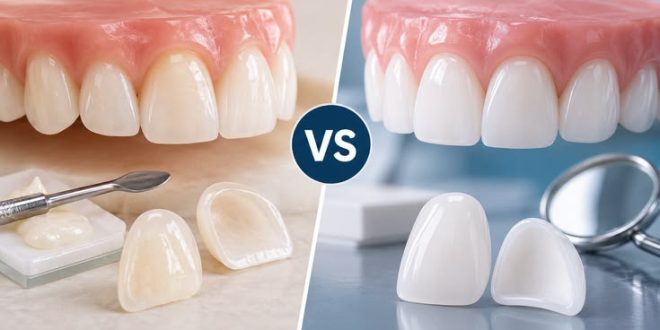
That is where provisional crowns come in. They are temporary restorations placed during the healing and design phase, and they do much more than fill a gap. They help guide gum tissue, support the look of the smile, test bite and comfort, and give your dentist a chance to refine the shape before the final crown is made. In many cases, the quality of the temporary phase helps determine the quality of the final cosmetic implant result.
Provisional Implant Crowns Shape More Than Appearance
A provisional crown is often called a temporary crown, but that word can make it sound minor. It is not minor. In cosmetic implant dentistry, the provisional restoration acts like a blueprint in real time. It helps the soft tissue heal around the implant in a way that supports a natural emergence profile, which is the way the tooth appears to rise from the gum. That small detail is often the difference between an implant that blends in and one that looks flat or artificial.
If the tooth is in a visible area, gum shape matters as much as crown color. You can have a well-made final crown, but if the tissue line sits too high, too low, or unevenly, the result can still look off. Research on provisional implant restorations explains how provisionalization helps develop soft tissue contours before the final prosthesis is delivered. That means your dentist is not guessing at the finish line. They are shaping it during healing.
This also gives you a chance to live with the tooth for a while. Maybe the length feels slightly off when you speak. Maybe the edge position catches your lip. Maybe the bite feels heavier on one side. Those issues are easier to adjust in a provisional crown than in the final ceramic restoration, where changes can be more limited and more expensive.
Cosmetic Implant Success Depends on Tissue Control and Timing
Implants heal differently from natural teeth because they do not have the same ligament support. The surrounding bone and gum need time and guidance. Without a provisional crown, or with one that is poorly shaped, the tissue may heal in a way that leaves black triangles, flattened gums, or an unnatural transition from crown to tissue. Once that happens, correction can be harder.
You see this most clearly with single front tooth implants. One side may look full and framed, while the implant side can look stiff or recessed if the tissue was not managed well. A review indexed on PubMed discusses how provisional restorations support esthetic outcomes by conditioning peri implant soft tissue. That phrase sounds technical, but the idea is simple. The temporary crown helps train the tissue into a natural form.
This matters financially too. People often assume the temporary phase is just another line item. In reality, it can prevent remakes, reduce the need for later adjustments, and improve the odds that the final crown matches your face and smile the first time. Temporary crowns for dental implants are not cosmetic extras. They are part of the design process.
Provisional Crowns Give Your Implant And Cosmetic Dentist a Working Model
A skilled provider does not only place an implant and hope the lab handles the rest. The best results come from testing, observing, and adjusting. A provisional crown lets your implant and cosmetic dentist evaluate speech, lip support, bite pressure, cleaning access, and how the gums respond over time.
There is also a patient side to this that gets overlooked. You may not know what feels natural until you wear it. A tooth that looks good in a chair can feel strange over dinner, during a work call, or when you smile in photos. The provisional phase gives you room to notice those things before the final version is locked in.
Clinical literature on implant provisionalization, including findings discussed in this published review, continues to support the role of provisional restorations in soft tissue shaping and esthetic planning. That is why provisional crowns in cosmetic implant results deserve more attention than they usually get.
Practical Differences Between Skipping and Using a Provisional Crown
| Approach | Likely Benefits | Common Risks |
|---|---|---|
| Implant restored with a well-designed provisional crown | Better gum contour, more natural emergence profile, easier bite and speech adjustments, clearer preview of final result | Requires more appointments, added planning, and close follow up |
| Implant restored without a provisional phase | Shorter process in some cases, fewer early adjustment visits | Less control over tissue shape, higher chance of esthetic compromises, fewer opportunities to test comfort before final crown |
| Poorly shaped or unstable temporary crown | Maintains basic appearance during healing | Tissue may heal unevenly, pressure points may affect comfort, final crown may need more correction |
Not every implant case needs the same provisional approach. Back teeth often have different cosmetic demands than front teeth. Bone levels, gum thickness, smile line, and timing after extraction all matter. Still, when appearance is a priority, the provisional stage is usually where the final result starts taking shape.
Clear Steps Help You Protect the Final Cosmetic Implant Outcome
Ask how the temporary phase will be used. Do not settle for a vague answer. Ask whether your provisional crown will help shape gum tissue, test the bite, and guide the final lab work. If appearance matters to you, that should be part of the treatment plan from the start.
Pay attention to how the provisional feels in daily life. Notice speech, pressure when biting, flossing access, and whether the tooth looks natural when you smile. Small issues during the temporary phase are useful information, not complaints. They help refine the final result.
Choose a provider who treats esthetics as part of function. The best cosmetic implant outcomes come from planning both. A crown should not only be strong. It should fit your face, your gums, and the way you use your mouth every day. Root service terms like dental implants sound simple, but the esthetic details are where many results are won or lost.
A provisional crown may be temporary, but its effect on the final smile often is not. If you want an implant result that looks natural, feels comfortable, and blends with the rest of your smile, this stage deserves real attention. The right planning now can spare you disappointment later and help your final crown look like it belonged there all along.