Isaiminia World Breaking News & Top Stories
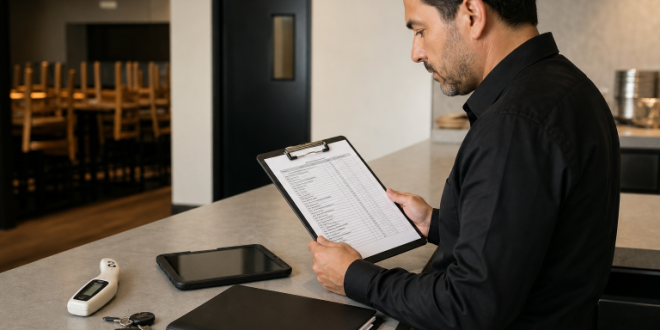
Restaurants manage dozens of moving parts during every shift, from food preparation and employee scheduling to payments, delivery orders, and customer service. A practical risk plan helps owners spot weak points before they become expensive disruptions. Reviewing operational safeguards alongside resources such as Denver Bar Insurance can also help operators understand where their day-to-day responsibilities and protections may need closer attention. Risk planning is not only for large restaurant groups. A single-location café, bar, food truck, or full-service restaurant can benefit from clear procedures for food safety, delivery handoffs, equipment failures, staff injuries, and digital outages. The goal is not to predict every possible problem. It is to give the team a simple, repeatable way to respond when something goes wrong.
Why Risk Planning Matters For Restaurants
A small failure can quickly become a larger operational problem. For example, a refrigerator that stops cooling before a busy weekend may result in food spoilage, menu changes, canceled orders, overtime costs, and customer complaints. If the restaurant has temperature records, repair contacts, food-disposal procedures, and a backup menu ready, the team can make decisions faster. Restaurants also face newer pressure points. Online ordering, third-party delivery platforms, cashless payments, loyalty programs, and fast pickup expectations create more opportunities for mistakes or interruptions. A useful plan connects these systems rather than treating each one as an isolated issue.
How To Map Common Restaurant Risks
Start with a short review of each major activity in the operation. Walk through the customer experience from delivery receipt to food preparation, payment, pickup, delivery, and closing. Ask what could fail, who would notice first, and what action would limit the damage.
Build A Simple Risk List
- Name the activity: Receiving food, cooking, delivery dispatch, payroll, cleaning, or closing.
- Identify the hazard: Spoiled ingredients, a slip hazard, incorrect order, internet outage, or damaged equipment.
- Describe the likely outcome: Injury, food waste, delayed service, lost sales, or a customer-data concern.
- Record the current control: Temperature logs, floor checks, employee training, passwords, or vendor contacts.
- Assign the next action: Give one manager or team member responsibility for improving or checking the control.
Keep this list short enough to use. A risk document that stays in a folder is less useful than a one-page checklist reviewed during manager meetings.
Food Safety From Kitchen To Customer
Food safety does not end when an order leaves the pass. Delivery and pickup introduce extra handoffs, wait times, packaging concerns, and possible confusion about who is responsible for an order. Use sealed packaging, clear labels, and a final order check before a bag reaches the pickup shelf or driver. Staff should separate raw and ready-to-eat foods, clean shared tools and surfaces on schedule, wash hands correctly, and monitor hot and cold holding conditions.
Make Delivery Handoffs Clear
- Label each bag with the customer name, order number, and any allergy-related notes.
- Keep cold items, hot items, drinks, and tamper-evident packaging organized.
- Document when the order is completed and when it is released to a driver.
- Train staff to escalate missing items, damaged packaging, or excessive pickup delays promptly.
Managing Delivery And Driver Risks
Delivery risk extends beyond the kitchen. Restaurants may use employees’ personal vehicles, company drivers, or third-party platforms. Each arrangement should have clear instructions for pickup, order verification, customer handoff, incident reporting, and communication after an accident or complaint. A dinner rush is a common time for errors. If a driver takes the wrong bag, the restaurant may face a refund, a remake, an allergy concern, and a negative review. A simple process, such as matching the order number to the driver’s screen before release, can prevent several problems at once.
Protecting Digital Systems And Customer Data
Restaurants now rely on point-of-sale terminals, online ordering platforms, reservation tools, payroll software, connected kitchen equipment, Wi-Fi networks, and payment processors. An outage or compromised account can interrupt service even when the dining room and kitchen are fully staffed. Use separate employee accounts, multi-factor authentication, software updates, secure backups, and an offboarding process that removes access immediately when a worker leaves. The FTC’s cybersecurity guidance for small businesses also offers practical information on passwords, backups, vendor security, and incident response.
Reducing Staff And Customer Injuries
Common restaurant hazards include wet floors, blocked exits, knife cuts, hot oil, steam burns, poor lighting, loose railings, broken furniture, and improper lifting. These issues are easier to manage when employees can report them without fear of blame and when managers act quickly on what they find. Use brief opening and closing checks to confirm that walkways are clear, mats are secure, warning signs are available, first-aid supplies are stocked, and equipment is working as expected. Late-night operations should also address customer conflicts, exterior lighting, cash-handling procedures, and when staff should seek help from a manager or emergency services.
Preparing For Equipment And Supply Problems
Equipment failure can affect food safety, labor, sales, and customer expectations within minutes. Maintain current contacts for refrigeration, plumbing, electrical, cooking equipment, and internet service providers. Keep a list of backup suppliers for key ingredients and create a reduced menu to use when a key ingredient is unavailable. Track refrigerator and freezer temperatures, keep emergency supplies such as gloves, labels, batteries, and cleaning products on hand, and document any food that must be discarded after a temperature-control failure. Good records help managers identify repeat problems and make better repair or replacement decisions.
Building A Business Disruption Plan
When normal operations cannot continue, the response should be direct and organized.
- Protect people first: Address injuries, fire, unsafe food, security threats, or dangerous conditions.
- Stop the source: Shut down unsafe equipment, isolate a compromised account, or close off a hazardous area.
- Notify the right people: Contact employees, vendors, customers, building management, or emergency services as needed.
- Document the event: Save photos, receipts, times, messages, and decisions.
- Plan the restart: Set conditions for cleaning, repairs, restocking, staff communication, and reopening.
A Simple 2026 Risk Review Checklist
- Review delivery arrangements, driver handoff procedures, and recent customer complaints.
- Confirm food temperature records are complete and easy to locate.
- Verify emergency contacts, repair vendors, and backup suppliers are current.
- Check that former employees no longer have access to business systems.
- Test the response to an internet, power, water, or refrigeration outage.
- Review recent injuries, near misses, refunds, and service delays for repeated patterns.
- Run a short tabletop exercise so managers know their roles during a disruption.
Conclusion
Restaurant risk planning does not need to be complicated. A clear checklist, regular employee training, reliable recordkeeping, careful vendor review, and a tested disruption plan can reduce confusion when unexpected problems arise. Consistently reviewing food safety procedures, equipment maintenance, emergency contacts, and insurance coverage also helps restaurants respond more effectively to operational challenges. Even small improvements made over time can strengthen day-to-day operations and reduce costly interruptions. The best plan is one that the entire team can understand, use during a busy shift, and update as the business grows or new risks emerge. Regular practice and periodic reviews help ensure that procedures remain practical, current, and effective when they are needed most.