 Isaiminia World Breaking News & Top Stories
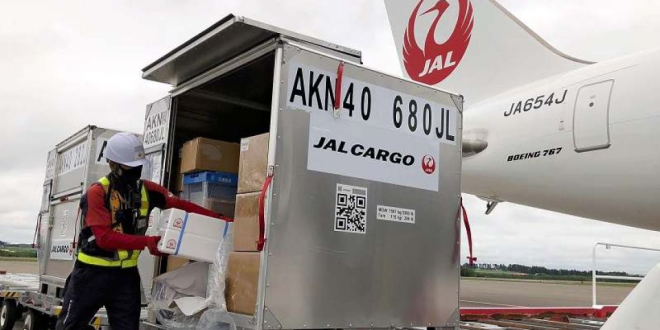
Fast delivery can protect a launch date, keep a production line moving, or place a time-sensitive purchase in a customer’s hands. It can also consume margin if the shipment is poorly planned. Air freight is most valuable when the cost of waiting is greater than the premium paid for speed. Understanding chargeable weight, service level, customs preparation, and product restrictions helps buyers decide when flying a shipment is a commercial advantage rather than an expensive habit.
Identify the Real Reason for Urgency
Not every request labelled urgent has the same business importance. A replacement component that prevents equipment downtime may justify the fastest available route. Seasonal merchandise, event materials, samples for an approval meeting, and confirmed customer orders can have a similar deadline. By contrast, routine replenishment with comfortable stock cover may be better suited to a slower or consolidated option. The decision should be connected to lost sales, operational disruption, or a fixed date.
Splitting an order can sometimes offer a better answer than choosing one method for everything. A small quantity may travel by air to meet immediate demand while the balance follows through a more economical channel. This approach requires accurate inventory planning, but it prevents the urgent portion from forcing premium freight onto goods that are not actually needed yet.
Understand Chargeable Weight
Air services generally compare actual weight with volumetric weight and charge whichever is higher. A lightweight but oversized carton may therefore cost more than a compact, heavier parcel. Retail packaging, empty space, and inefficient consolidation can significantly change the rate. Before dispatch, the shipper should obtain accurate dimensions and ask whether safe repacking can reduce volume without weakening protection or affecting product presentation.
Rate comparisons should include more than a price per kilogram. Minimum charges, fuel or handling surcharges, remote-area delivery, customs support, insurance, repacking, and tax treatment may affect the total. Transit time should also be defined clearly. A quotation describing airport-to-airport movement is not equivalent to a door-to-door estimate that includes collection, export handling, clearance, and final delivery.
Prepare the Shipment Before It Flies
Speed in the air cannot compensate for incomplete documents on the ground. A commercial invoice or accurate purchase record should identify the goods, quantity, value, origin, and intended use. Names and addresses must be consistent, and the recipient should be ready to provide any information requested for clearance. Restricted or controlled products need to be checked before booking, not after a parcel reaches a carrier facility.
When arranging air shipping from Japan to Thailand ส่งของจากญี่ปุ่นกลับไทย เครื่องบิน, buyers should disclose batteries, liquids, powders, cosmetics, food, medicines, aerosols, magnets, and other contents that can affect acceptance. Concealing or describing them vaguely creates safety and customs risks. A responsible provider will confirm whether the product can travel, which documents are needed, and whether a particular airline or service level imposes additional conditions.
Measure Value, Not Speed Alone
The fastest option is worthwhile when it preserves more value than it costs. A business can estimate this by comparing the air premium with the margin protected, downtime avoided, contractual deadline met, or customer relationship retained. Reliability and tracking may matter as much as the headline transit time. A slightly slower service with clear milestones and consistent clearance can outperform an express promise that offers little visibility when a problem occurs.
Air transport works best as part of an intentional logistics plan. Classify products by urgency, maintain realistic stock buffers, consolidate where practical, and record the actual cost and delivery time of every shipment. With that evidence, buyers can reserve premium movement for occasions when it produces a measurable benefit, while routine goods travel through a method better aligned with their margin and schedule.
Final Perspective
The most useful freight record compares the promised timeline with the actual one and separates warehouse time, export processing, flight movement, customs, and final delivery. After several shipments, this history reveals which products genuinely benefit from air transport and where delays usually occur. Businesses can then set better customer expectations, place orders earlier, and use premium shipping selectively. The result is not simply faster logistics, but a more resilient balance between service, inventory, and cost.