 Isaiminia World Breaking News & Top Stories
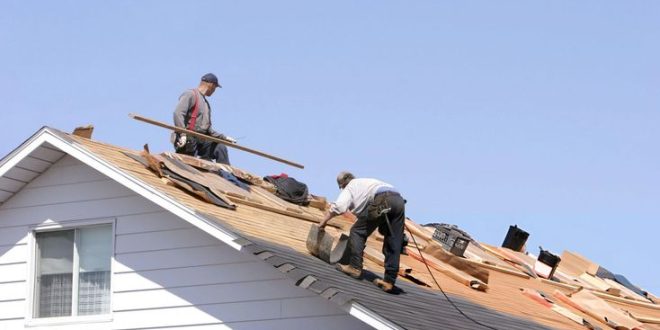
Your roof is one of the most important parts of your home, acting as the first line of defense against the elements. Over time, exposure to rain, wind, and humidity can cause significant water damage if not properly managed. Long-term water damage can lead to costly repairs, structural issues, and even health hazards from mold and mildew. Taking proactive steps to protect your roof ensures the longevity of your home and helps maintain its value. Understanding the causes of water damage and implementing effective prevention strategies is essential for every homeowner who wants to avoid unnecessary headaches and expenses.
Key steps for roof water protection
Understanding the Causes of Roof Water Damage
Water damage to roofs is often the result of a combination of factors that develop over time. One of the most common causes is poor drainage, which allows water to pool on the roof surface. This standing water can seep into roofing materials, causing them to deteriorate and eventually leak. Another frequent issue is damaged or missing shingles, which expose the underlying structure to moisture. In regions with heavy rainfall or high humidity, roofs are especially vulnerable to these problems. Additionally, clogged gutters and downspouts can prevent water from being properly channeled away from the roof, leading to overflow and water intrusion. Regular inspections are crucial for identifying early signs of trouble, such as water stains on ceilings, warped shingles, or moss growth. By understanding these causes, homeowners can take targeted actions to prevent long-term water damage and preserve the integrity of their roofs.
The Importance of Regular Roof Inspections
Routine roof inspections are a critical component of any maintenance plan aimed at preventing water damage. Over time, even the most durable roofing materials can develop small cracks, loose shingles, or other vulnerabilities that allow water to penetrate. Inspections should be conducted at least twice a year, ideally in the spring and fall, to catch any issues before they escalate. During an inspection, look for signs of wear and tear, such as curling or missing shingles, rusted flashing, and debris accumulation. Pay close attention to areas around chimneys, skylights, and vents, as these are common entry points for water. If you notice any signs of damage, address them promptly to prevent further deterioration. Regular inspections not only help identify problems early but also extend the lifespan of your roof by ensuring that minor issues are resolved before they become major repairs. For homeowners in areas prone to heavy rainfall, such as Port St. Lucie, considering a gutter install port st lucie can significantly improve water management and reduce the risk of long-term damage.
Maintaining Gutters and Downspouts
Proper maintenance of gutters and downspouts is essential for protecting your roof from water damage. Gutters are designed to collect rainwater and direct it away from your home’s foundation, but when they become clogged with leaves, twigs, or other debris, they can no longer perform this function effectively. Blocked gutters cause water to overflow, which can lead to roof leaks, wood rot, and even foundation problems. To prevent these issues, clean your gutters at least twice a year and after major storms. Check for signs of sagging or separation from the roofline, as these can indicate underlying problems. Downspouts should also be inspected to ensure they are securely attached and directing water at least several feet away from the house. Installing gutter guards can help reduce the frequency of cleaning by preventing debris from entering the system. By keeping your gutters and downspouts in good working order, you can significantly reduce the risk of water damage to your roof and home.
Quick Tips for Preventing Roof Leaks
One of the simplest ways to prevent roof leaks is to keep your roof clear of debris. Leaves, branches, and other materials can trap moisture against the roof surface, accelerating the deterioration of shingles and underlayment. Trim overhanging tree branches to minimize the amount of debris that lands on your roof and to reduce the risk of branches causing physical damage during storms. Additionally, check for and repair any damaged flashing around chimneys, vents, and skylights, as these areas are particularly susceptible to leaks. Ensuring proper attic ventilation is also important, as it helps regulate temperature and moisture levels, reducing the likelihood of condensation and mold growth. By following these quick tips, you can help maintain a dry and healthy roof throughout the year.
Addressing Roof Repairs Promptly
When signs of water damage or roof deterioration are detected, it is important to address repairs without delay. Small issues, such as a missing shingle or a minor leak, can quickly escalate into more serious problems if left unattended. Water that seeps into the roof structure can cause wood rot, weaken support beams, and create an environment conducive to mold and mildew growth. Prompt repairs not only prevent further damage but also save money in the long run by avoiding more extensive and costly fixes. Homeowners should keep an eye out for water stains on ceilings, peeling paint, or musty odors, as these can indicate hidden leaks. Hiring a reputable roofing contractor to assess and repair any damage ensures that the job is done correctly and that your roof remains watertight. Taking swift action when problems arise is a key part of protecting your home from long-term water damage.
The Role of Proper Roof Ventilation
Proper roof ventilation plays a significant role in preventing long-term water damage. When a roof is not adequately ventilated, heat and moisture can become trapped in the attic, leading to condensation and the potential for mold growth. Over time, this excess moisture can damage insulation, wood framing, and even the roof deck itself. Effective ventilation systems allow air to circulate freely, helping to regulate temperature and humidity levels. This not only protects the roof structure but also improves energy efficiency by reducing the load on heating and cooling systems. Homeowners should ensure that vents are not blocked by insulation or debris and that there is a balanced flow of air entering and exiting the attic space. By maintaining proper ventilation, you can help extend the life of your roof and prevent the costly consequences of water damage.
Conclusion
Protecting your roof from long-term water damage requires a proactive and consistent approach. By understanding the causes of water intrusion, conducting regular inspections, maintaining gutters and downspouts, and addressing repairs promptly, you can significantly reduce the risk of costly damage to your home. Proper roof ventilation and simple preventative measures, such as keeping the roof clear of debris, further enhance your roof’s resilience against the elements. Investing time and effort into roof maintenance not only preserves the structural integrity of your home but also provides peace of mind, knowing that your property is safeguarded against the challenges posed by water and weather. Taking these steps ensures that your roof remains a reliable shield for your home for years to come.