Isaiminia World Breaking News & Top Stories
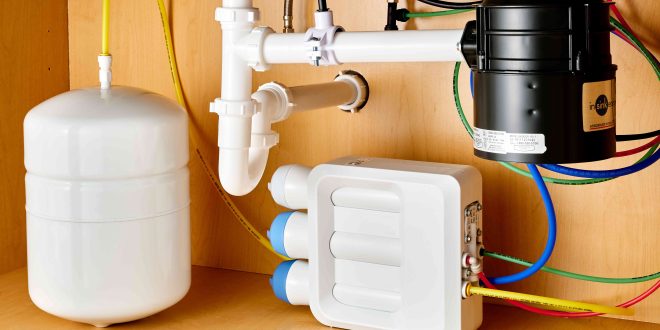
Reverse osmosis water filters are considered among the most effective methods for purifying water. They work by removing impurities and contaminants through a semi-permeable membrane, leaving you with cleaner, safer water for drinking and household use. By utilising a reverse osmosis water filter, one can significantly improve water quality by reducing harmful substances.
Understanding Reverse Osmosis
Reverse osmosis (RO) is a water treatment process that removes contaminants by pushing water through a specially designed filter or membrane. This method is effective in extracting pollutants such as salts, bacteria, and chemical toxins. The technology behind reverse osmosis has been widely adopted due to its ability to deliver high-quality water, which is essential in areas suffering from water quality issues.
The Process of Reverse Osmosis
Reverse osmosis involves multiple stages of filtration. Initially, water passes through a pre-filter that removes larger particles, such as dirt and sediment. Following this, the pre-treated water moves through the RO membrane, where dissolved particles are trapped and flushed away. Finally, the filtered water undergoes a polishing stage, often including carbon filters, to remove any remaining taste or odour-enhancing contaminants.
Benefits of Using Reverse Osmosis Water Filters
There are several benefits to using reverse osmosis water filters. Firstly, they offer superior contaminant removal, ensuring safer water for consumption. They are highly effective at reducing chlorine, lead, arsenic, and nitrates, all of which are commonly found in municipal water supplies. This level of purification drastically reduces potential health risks associated with polluted drinking water.
Improved Taste and Odour
Beyond health benefits, reverse osmosis water filters also improve the taste and odour of water. Many users note that the filtration process removes the unpleasant taste and smell often associated with tap water, making it more palatable for drinking and cooking.
Cost-Effectiveness and Environmental Impact
Although initial setup costs for a reverse osmosis system can be significant, these systems often save money in the long term. By providing high-quality drinking water at home, users can reduce their reliance on bottled water, leading to cost savings and reduced plastic waste. This contributes to a more sustainable and environmentally friendly lifestyle.
Applications of Reverse Osmosis Systems
Reverse osmosis systems are versatile and can be used in various applications. Beyond household settings, they are employed in industries such as food and beverage production, pharmaceuticals, and desalination. Their reliability and efficacy in purification make them an ideal choice for sectors where water quality is crucial.
Maintenance and Longevity
Proper maintenance is essential for the longevity and performance of reverse osmosis systems. Regularly replacing filters and membranes ensures the system operates efficiently, providing consistently pure water. Most systems require annual maintenance, although this can vary based on usage and water quality.
Choosing the Right Reverse Osmosis System
When selecting a reverse osmosis system, several factors should be considered, including the water source quality, the volume of water needed, and specific contaminants needing removal. Consulting with professionals or conducting research can help in choosing the most suitable system for one’s needs.
Installation Considerations
Installing a reverse osmosis system can vary in complexity depending on the system type and space available. Under-sink models are common for household applications and generally require plumbing modifications. Professional installation may be recommended to ensure optimal setup and system efficiency.
Challenges and Limitations
While reverse osmosis filters have numerous benefits, there are potential challenges to consider. These systems can waste a considerable amount of water, as a portion is used to flush away contaminants. Advanced systems are available that offer improved efficiency and reduced wastewater output.
Comparing Reverse Osmosis with Other Filtration Methods
Reverse osmosis is just one method of water purification. When compared to activated carbon filters, ultraviolet (UV) treatment, and distillation, reverse osmosis provides one of the most comprehensive contaminant removal capabilities. However, each method has its merits, and choosing the right one depends on specific water conditioning needs.
Recent Innovations in Reverse Osmosis Technology
Recent advancements in reverse osmosis technology have led to the development of systems that reduce energy consumption and waste. Innovations include more durable membranes, integration with smart home technologies for monitoring, and compact designs that are easier to maintain.
Conclusion
Reverse osmosis water filters provide an effective solution for achieving high-quality drinking water. With the ability to remove a wide range of contaminants, these systems offer significant health benefits, improved taste, and economic advantages. As technology progresses, users can expect even more efficient and user-friendly options for reverse osmosis water purification.