 Isaiminia World Breaking News & Top Stories
Key Takeaways
- Adaptive cruise control and lane centering assist enhance driving safety and comfort.
- Artificial intelligence is transforming vehicle interaction and accident response.
- Advanced driver-assistance systems (ADAS) are becoming standard, reducing human error.
- Vehicle-to-everything (V2X) communication improves traffic flow and safety.
- Advancements in electric vehicle technology are increasing efficiency and convenience.
Advancements in automotive engineering are steadily reshaping everyday driving experiences. Modern vehicles are now equipped with sophisticated systems designed to improve safety, efficiency, and connectivity. Features such as adaptive cruise control, lane-keeping assistance, and real-time navigation updates are no longer limited to luxury models. Instead, they are becoming more common across various vehicle categories. As digital interfaces grow more intuitive and responsive, drivers are interacting with their cars in ways that feel increasingly seamless and informed.
Beyond convenience, emerging technologies are influencing how people approach decision-making behind the wheel. Enhanced driver-assistance systems can help reduce human error, while electric powertrains and hybrid options are encouraging more energy-conscious travel habits. In-vehicle infotainment platforms also allow users to learn more about performance data, maintenance needs, and route efficiency in real time. Together, these developments are gradually redefining expectations around comfort, control, and responsibility on the road.
Adaptive Cruise Control and Lane Centering Assist
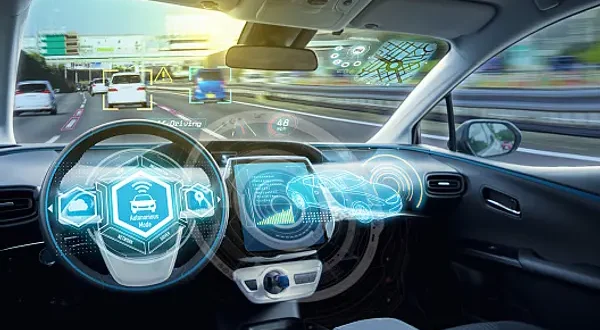
Adaptive cruise control (ACC) and lane centering assist are among the most impactful upgrades in vehicle safety and comfort in modern cars. ACC automatically adjusts your car’s speed to maintain a safe following distance from the vehicle ahead, responding in real time to changes in traffic flow. Lane centering assist, meanwhile, gently helps steer the car so it remains safely centered in its lane. These features work together to take the stress out of driving, particularly on long trips or congested highways. As a result, drivers are less likely to experience fatigue, and the potential for accidents caused by lapses in attention is considerably reduced. Such autonomous features are now being widely adopted even outside of luxury vehicles, offering mainstream consumers unprecedented protection and ease of use.
Artificial Intelligence in Vehicle Interaction
Artificial intelligence (AI) is fundamentally transforming the way people interact with their vehicles. Modern AI-powered systems can monitor driver alertness, analyze data from multiple sensors, and recommend actions such as taking a break or adjusting environmental controls. AI can even alter music, lighting, fragrances, and seats to keep drivers alert and comfortable. For example, advanced systems in brands like Mercedes-Benz proactively manage driver well-being, enhancing not only safety but also the driving experience. These improvements are not just focused on comfort. AI-driven platforms are also crucial in emergency response, automatically alerting emergency services in the event of an accident and providing critical vehicle data for faster assistance.
Advanced Driver-Assistance Systems (ADAS)
Advanced driver-assistance systems (ADAS) are becoming a standard feature in most new cars. These comprehensive suites of technology include automatic emergency braking, lane departure and keeping assist, blind-spot monitoring, traffic sign recognition, and more. Using a mix of cameras, radars, and ultrasonic sensors, ADAS can detect hazards that a human driver might miss, reacting much more quickly to prevent accidents. These systems help lower accident rates and insurance costs, making driving safer for everyone on the road.
Vehicle-to-Everything (V2X) Communication
Vehicle-to-everything (V2X) communication is one of the most exciting advancements propelling the auto industry into a more connected future. V2X enables cars to communicate not only with each other but also with traffic lights, road signs, and even pedestrians’ devices. By sharing critical real-time information, such as approaching emergency vehicles or road hazards, V2X helps reduce accidents and traffic congestion. It can also optimize traffic light timing to achieve smoother flows and minimal idling, benefiting city infrastructure and driver patience alike. As vehicles become increasingly interconnected, the long-term vision is a synchronized traffic environment that continuously learns and adapts, enabling safer, more efficient travel.
Electric Vehicle Technology Advancements
The advancement of electric vehicle (EV) technology is redefining what it means to own and drive a car. Improvements in battery chemistries and manufacturing are extending vehicle range, reducing charge times, and lowering costs. Enhanced infrastructure, such as faster public charging stations and home charging solutions, is making EVs more practical than ever. Many new models now offer cutting-edge features such as regenerative braking, customizable driving modes, and mobile connectivity, appealing to both eco-conscious and tech-savvy consumers. As industries aim to reduce their carbon footprints, the growth of EVs is critical to sustainable transportation. The U.S. Department of Energy provides additional insights into how these advancements support environmental goals.
Conclusion
Modern car technology is rapidly transforming the automotive landscape. Whether it is through automated safety systems, AI-powered customization, innovative communication networks, or the rise of electric vehicles, these technological developments make driving safer, smoother, and more sustainable. With these ongoing innovations, drivers can look forward to a future in which the automobile is not just a means of transportation but a partner in safety, efficiency, and overall enjoyment.