Isaiminia World Breaking News & Top Stories
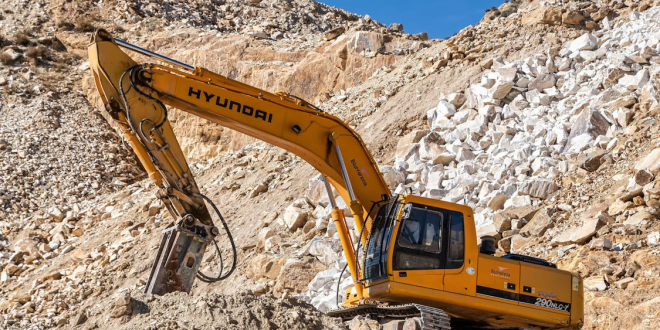
Planning for a construction or landscaping project is an exciting time. It is likely that you have envisioned the finished product, whether this is a new home foundation, a levelled driveway, or a beautifully landscaped garden. But before construction can begin, the ground must be prepared. This is where earthmoving and excavation specialists come in.
While the process may seem simple – a lot of dirt moving from point A to point B – it is far more complicated. Perhaps the most significant factor for earthmoving services is the specific location of the construction site. Australia is a land of extremes, offering everything from tropical heat to desert environments. This means that excavation services may not be suitable for all areas.
This is an important consideration for individuals looking to hire earthmoving services for their construction site. This consideration helps to provide a more informed expectation for the overall construction time and cost while also considering the overall safety of the construction site!
How Climate Shifts Project Timelines
Weather patterns are arguably the most difficult variable to predict during an earthmoving construction site. This is because the climate will dictate not only when construction can be done but also how the ground will behave during the excavation process. For example, areas that experience heavy rainfall can have the ground waterlogged. This means that the construction site will be muddied and could bog down construction equipment. This is dangerous for construction workers who have to sit and wait for the ground to dry so that construction can continue.
On the other hand, in arid or drought-prone areas, the issue becomes dust suppression and earth cohesion. Dry earth can be difficult to properly compact, which is an important factor in laying the groundwork. For professionals working in these conditions, water trucks may need to be hired in order to moisten the earth, adding an extra layer of complexity to the job.
Moreover, the extreme heat may also affect the machines themselves, necessitating more regular maintenance sessions in order to prevent overheating. As you can see, by considering these climatic conditions, you can understand why a contractor may choose to work in specific seasons or at specific times of day.
The Impact of Soil and Rock Composition
Beneath the surface lies the geological realities of your region, and these realities are usually the largest contributor to cost and process. As you may know, the composition of the earth itself varies drastically from region to region. For instance, some regions may have predominantly sandy earth, which, although easy to dig through, is extremely unstable. When working in sandy earth, specialised shoring techniques must be employed in order to prevent collapse of the trench itself, in order to protect workers.
On the other hand, regions with predominantly clay earth also pose their own set of challenges. Clay earth is extremely reactive, meaning that it expands when wet and contracts when dry. This can have damaging consequences on the foundation of buildings if not properly managed during the earthmoving process.
Then, of course, there is the rock factor. In many parts of the country, rock is just below the topsoil. Hitting rock can literally stop a standard excavation project in its tracks unless the contractor is prepared. This requires more expensive and heavy-duty equipment. If you are in a rocky region of the country, your contractor will take the possibility of “hard digging” into consideration when giving you a quote to ensure they are prepared to handle whatever is lurking beneath the surface.
Navigating Environmental and Local Regulations
In addition to the challenges of the land, each region of the country has its own set of regulations. The local government and state government have set specific regulations regarding the environment. The regulations are intended to ensure the well-being of the surrounding ecosystem and the community.
For example, a location near a waterway may require specific regulations regarding sediment control, ensuring that soil does not run off into a river or creek. Urban areas may require specific regulations regarding noise and vibration, which can limit the hours or type of machinery that can be used.
Some regions may also have regulations regarding indigenous heritage sites or specific types of trees, requiring a permit before a shovel is even put into the ground. Your local affordable land clearing professionals will be familiar with all of these regulations, taking care of all necessary compliance work to ensure your project is not only legal but also avoids any costly fines.
The Value of Local Expertise
The overall success of your excavation project will depend on a number of factors, not the least of which is understanding the specific characteristics of your region. This means taking into account everything from the type of weather that will dictate your work days to the type of soil that will dictate the type of machinery needed.
This is why, when it comes to earthmoving professionals, going local is not only a smart move but potentially the smartest move you can make when it comes to ensuring a smooth excavation process and a strong base on which to construct whatever it is you want to build.