 Isaiminia World Breaking News & Top Stories
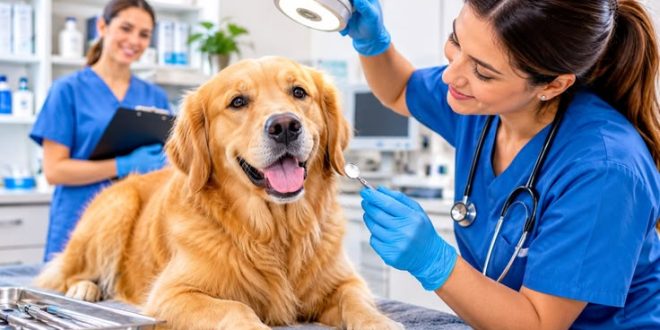
You notice a soft bulge on your pet’s body, or your dog starts straining, vomiting, or acting sore when picked up. That kind of change gets your mind moving fast. Is it serious, is it painful, can it wait until tomorrow? A hernia can look minor from the outside and still cause bigger trouble underneath, especially if tissue or an organ slips where it should not be. In many cases, a local veterinary hospital in Lansdale can examine the area, confirm what type of hernia is present, and decide whether monitoring or surgery makes sense.
4 types of hernias a veterinary hospital may evaluate in pets often include umbilical, inguinal, diaphragmatic, and perineal hernias. Some are found early in puppies and kittens. Others show up later after trauma, age related weakness, or strain. The difference matters because one pet may live comfortably with a small defect for a while, while another needs urgent care to prevent blocked intestines or breathing problems.
Pet hernias can range from visible lumps to hidden emergencies
A hernia happens when tissue pushes through a weak spot or opening in muscle or surrounding structures. Sometimes the only clue is a small bump. Sometimes there is no bump at all, and the signs look more like stomach upset, trouble passing stool, or labored breathing. That is why types of hernias in pets are not all handled the same way.
Umbilical hernias are often found near the belly button. They are common in young animals and may appear as a soft swelling on the midline of the abdomen. A small one may contain only fat and stay uncomplicated. A larger one can trap abdominal tissue, which raises the risk of pain and impaired blood flow. If your puppy has a round little bulge that seems harmless, it still deserves an exam, because what feels soft today can change over time.
Inguinal hernias develop in the groin area where tissue slips through the inguinal canal. You may notice swelling near the inner thigh or lower abdomen. These can become more serious if the bladder, intestine, or uterus is involved. A pet may strain to urinate, seem restless, or react when touched. That is the part many owners do not expect. It may look like a skin lump, but the problem can involve organs.
Diaphragmatic hernias are different because they affect the muscle that separates the chest from the abdomen. Trauma, such as being hit by a car, is a common cause. Instead of a visible bulge, pets may have rapid breathing, weakness, poor appetite, or collapse. Organs can move into the chest cavity and crowd the lungs. This is one of the clearest examples of why a veterinary hospital hernia evaluation matters. Waiting to see if a pet improves at home can waste time a struggling animal does not have.
Perineal hernias usually appear near the rectal area, more often in older male dogs. The muscles weaken and allow tissue to push into the space beside the anus. Owners may first notice constipation, straining, a swelling beside the rear end, or stool that seems hard to pass. In some cases, the bladder can shift, and then the problem becomes urgent very quickly.
Why hernia symptoms in pets are easy to misread
You may think a lump is just body fat, or assume straining means constipation and nothing more. That is a normal reaction. Pets do not explain what hurts, and many hernias start with vague signs. The risk is not only discomfort. A trapped organ can lose blood supply. A diaphragmatic tear can affect breathing. A perineal hernia can turn a bathroom problem into a crisis.
Veterinary teams often rely on a physical exam, imaging, and surgical planning based on the location and contents of the hernia. Soft tissue surgery services commonly address hernia repair alongside other conditions involving the skin, abdomen, and body wall. Michigan State University’s outline of soft tissue surgery care shows how these procedures fit into broader surgical treatment for pets.
In teaching and referral settings, hernia repair is also part of advanced small animal surgery training. The University of Florida’s advanced small animal surgery curriculum includes abdominal wall reconstruction and hernia management, which reflects how carefully these cases are assessed when the defect is complex or involves deeper structures.
Comparing the four hernia types helps clarify risk
| Hernia Type | Common Location | What Owners May Notice | Typical Level of Urgency |
|---|---|---|---|
| Umbilical | Belly button area | Soft round bulge on the abdomen | Often less urgent, unless tissue is trapped or the swelling changes |
| Inguinal | Groin or inner thigh area | Swelling, pain, straining, discomfort with movement | Moderate to high, especially if bladder or intestine is involved |
| Diaphragmatic | Inside the body between chest and abdomen | Breathing trouble, weakness, poor appetite, collapse | High, often urgent or emergency care |
| Perineal | Beside the anus | Constipation, straining, rear swelling | Moderate to high, especially with urinary problems |
This is where owners often get stuck. A small external bulge can seem manageable, while a hidden hernia may look like a stomach issue or simple fatigue. The label matters less than the effect on nearby organs. That is why a proper exam at an animal hospital is more useful than guessing based on appearance alone.
Three steps to take when you suspect a pet hernia
Watch for changes in size, pain, breathing, and bathroom habits. A stable small lump is one thing. A lump that becomes firm, warm, painful, or suddenly larger needs prompt attention. Trouble breathing, vomiting, repeated straining, or inability to urinate should be treated as urgent signs.
Limit rough activity and do not press on the swelling. Running, jumping, and wrestling can add strain. Pushing on the area at home can cause pain and does not fix the defect. Keep your pet calm and avoid food if your veterinary team advises an urgent visit, since surgery may be needed.
Schedule an exam instead of trying to monitor blindly. Even when your pet seems comfortable, an exam can tell you whether the hernia contains fat, intestine, bladder, or other tissue. That information changes the plan. Some hernias are repaired during a spay or neuter procedure. Others need faster intervention.
Early evaluation gives your pet the best chance at a smoother recovery
Seeing a bulge or a sudden change in your pet’s comfort can shake you up, and for good reason. Hernias are not all the same, and the safest next step is getting a clear diagnosis before the condition worsens. If you suspect one of the pet hernia types described here, contact an Animal Hospital and arrange an evaluation as soon as you can.