 Isaiminia World Breaking News & Top Stories
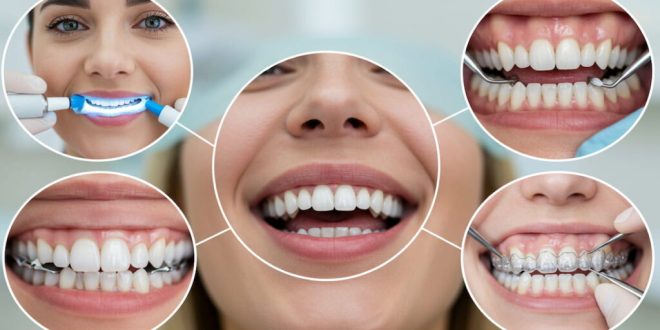
You care about your smile. You also fear long dental work, shots, and drills. You are not alone. Many people want small changes that look real and do not need heavy work on their healthy teeth. This is where minimal preparation cosmetic dentistry helps you. It keeps most of your natural teeth and still gives a cleaner, brighter look. In this blog, you will learn about three options that use little or no tooth shaping. You will see who they help, how they work, and what to expect during each visit. You will also learn when to talk with an emergency dentist Boynton Beach if damage or pain appears. Small steps can protect your teeth and lift your confidence. Careful planning and clear facts help you choose what fits your mouth, your time, and your budget.
Why minimal preparation matters
Your teeth do not grow back. Every layer that is drilled away is gone for life. Minimal preparation options respect that truth. They keep as many natural teeth as possible. They also aim for short visits and lower stress.
These options work best when you have healthy teeth with small problems such as:
- Minor chips or rough edges
- Small gaps between teeth
- Uneven or worn edges
- Mild stains that do not fade with cleaning
You still need sound gums and bone. You also need strong daily care at home. A dentist will check all of this first.
For basic facts on tooth structure and care, you can review this guide from the National Institute of Dental and Craniofacial Research: Tooth Anatomy.
Option 1: Professional teeth whitening
Teeth whitening is often the first step. It changes color, not shape. It needs little or no reshaping of teeth.
Professional whitening can help if you have:
- Yellow or brown stains from food, drink, or tobacco
- Darkening with age
- Uneven color after past habits
It cannot fix stains from some medicines or deep trauma. It also does not fix chips or gaps.
What to expect:
- Short exam to check teeth and gums
- Cleaning to remove plaque and tartar
- Whitening gel placed on teeth
- Light or no light use, based on the system
You may feel brief cold or sharp twinges in your teeth. That feeling often fades within a day. The dentist may give a home kit to keep the color steady.
The American Dental Association explains how whitening works and what is safe: Teeth Whitening.
Option 2: Dental bonding
Dental bonding uses tooth colored resin to change the shape or cover flaws. The dentist places soft resin, shapes it, and then hardens it with a curing light. Bonding often needs only surface roughening of the tooth. It rarely needs numbing.
Bonding can help when you have:
- Small chips on front teeth
- Short teeth that need length
- Minor gaps between teeth
- White spots or stains on one or two teeth
What to expect:
- Color match so the resin blends with nearby teeth
- Gentle shaping of the tooth surface
- Layering of resin and curing with light
- Final shaping and polishing
Bonding can stain over time. Coffee, tea, red wine, and tobacco speed that change. It can chip if you bite on ice or hard objects. You may need small repairs in the future.
Option 3: Minimal prep veneers
Traditional veneers often need grinding of the front of the tooth. Minimal prep veneers use thin shells that sit on top with much less shaping. Sometimes they need no grinding at all.
These veneers can help if you want to:
- Change color when whitening does not work
- Cover cracks or deep stains
- Even out teeth that look crooked or worn
- Close small gaps without braces
What to expect:
- Exam and photos to plan shape and color
- Light reshaping of enamel on the front of teeth
- Impressions or scans sent to a lab
- Short wait while the lab makes the veneers
- Bonding visit where the dentist tries in, adjusts, and cements the shells
Minimal prep veneers still remove some enamel. They are also hard to undo. You need to feel clear about the choice before you start.
Side by side comparison
| Option | Main goal | Tooth reshaping | Visit count | Longevity range | Best for
|
|---|---|---|---|---|---|
| Teeth whitening | Lighten color | None | 1 to 3 | Months to a few years with care | General stains and yellowing |
| Dental bonding | Fix chips and small gaps | Very small surface roughening | Often 1 | About 3 to 10 years | One or a few teeth with minor flaws |
| Minimal prep veneers | Change shape and color of the smile line | Light enamel removal | 2 to 3 | About 10 to 15 years | Several front teeth with deeper flaws |
How to choose the right option
First, be honest about what bothers you. Is it color, shape, spacing, or all three? Then share clear goals with your dentist.
Key questions to ask:
- How many teeth will you need to remove?
- What are the risks if I do nothing
- How long does this option usually last
- What daily care will it need
- What are the costs over time, not just today
You can start with the least invasive choice. Many people try whitening first. Then they use bonding or veneers only where a color change is not enough.
When to seek urgent dental help
Cosmetic care is planned. Pain is not. You should call an emergency dentist if you have:
- Sudden strong tooth pain
- A broken tooth with sharp edges
- A tooth that is loose or knocked out
- Swelling in the face or gums
- Bleeding that does not stop
Quick action can save a tooth and protect past cosmetic work. Do not wait and hope the sudden pain fades. Reach out for help fast.
Protecting your new smile
Minimal preparation work still needs daily care. You can protect your smile if you:
- Brush with fluoride toothpaste two times each day
- Clean between teeth each day with floss or other tools
- Wear a mouthguard during sports
- Use a night guard if you grind your teeth
- Limit sugary drinks and snacks
- Keep regular checkups and cleanings
Small changes can renew how you feel when you smile. With the right plan, you can protect healthy teeth while still reaching your goals.