 Isaiminia World Breaking News & Top Stories
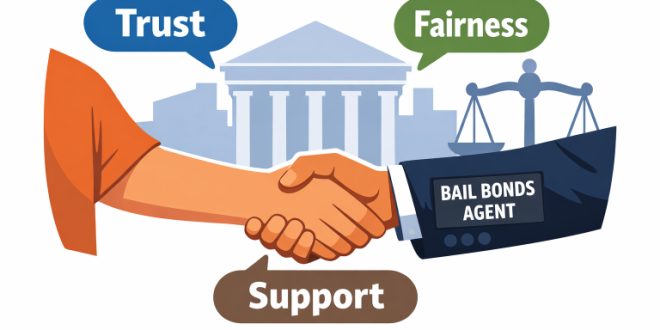
Key Takeaways
- Bail bonds facilitate the release of defendants awaiting trial, upholding the presumption of innocence.
- They help reduce jail overcrowding and allow individuals to maintain employment and family responsibilities.
- While beneficial, the bail bond system faces criticism for potential inequalities and profit-driven motives.
The bail bond system plays a pivotal role in the U.S. criminal justice system, balancing defendants’ constitutional rights with broader public safety interests. When someone is arrested, the court may set bail to ensure their return for future court dates. For many individuals who cannot afford to post bail on their own, a local bail bondsman can provide critical support, allowing temporary release while awaiting trial.
By allowing defendants to remain free until their day in court, bail bonds help maintain the presumption of innocence, one of the core principles of American law. This mechanism not only protects individual rights but also reduces strain on the jail system by limiting unnecessary pretrial detention.
Understanding Bail Bonds
Bail is a financial guarantee that a defendant will appear for court hearings. If a defendant cannot pay the full bail amount, they can contact a bail bond agency, which typically charges a non-refundable fee of about 10% of the bail set by the court. The agency then posts the bail on behalf of the defendant, who is released pending trial. If the defendant attends all required court appearances, the bail is returned to the agency, not the defendant, minus the service fee.
This system provides a lifeline for many, but it operates on both trust and risk. Bail bond agents often require collateral or additional cosigners to mitigate the risk of forfeiture if a defendant fails to return to court. The process also creates an incentive for bail bondsmen to ensure that defendants appear in court, reinforcing participation in the legal process.
Upholding the Presumption of Innocence
The presumption of innocence is a bedrock value in the U.S. justice system. Detaining defendants before trial can erode this principle, leading to punitive measures before guilt is established. Bail bonds help alleviate this concern by reducing pretrial incarceration. Individuals released on bail can continue their daily routines, maintain employment, and consult with legal counsel, all of which are vital for fair legal proceedings.
Excessive pretrial detention can coerce defendants to plead guilty, regardless of actual guilt, simply to expedite release. Proper use of bail bonds empowers individuals to fight charges while remaining free, avoiding unnecessary negative consequences.
Reducing Jail Overcrowding
Overcrowded jails are a growing problem in many regions, leading to poor conditions and strained resources. A high portion of jail populations consists of pretrial detainees unable to afford bail. Bail bonds offer a practical remedy by securing the release of individuals who do not pose a significant risk to society. This helps ensure that limited jail space is reserved for higher-risk offenders who may pose a genuine threat or are unlikely to return for hearings.
Reducing unnecessary detention also has a positive ripple effect on public expenditures. Shorter stays reduce taxpayer burdens associated with incarceration, including food and housing, as well as security and healthcare costs.
Economic and Social Benefits
When people are released on bail, they can keep their jobs, support their families, and fulfill other obligations that help prevent deeper economic and social disruptions. Time spent in jail, even briefly, increases the risk of job loss, housing instability, or family hardship. These secondary effects can have ongoing negative impacts on both individuals and their communities.
Moreover, effective use of bail bonds helps people remain productive while preparing their defense, improving both private and public outcomes. Stable employment is associated with lower recidivism rates, further contributing to public safety.
Challenges and Criticisms
Despite these advantages, the bail bond system is not without faults. Evidence indicates systemic disparities in how bail is set, with Black and Latino defendants often facing higher bail than their white peers for similar offenses. This has raised concerns about fairness and equal access to freedom while awaiting trial.
The for-profit element of the bail industry has also attracted scrutiny. Critics argue that financial incentives may sometimes outweigh the interests of justice, with agencies prioritizing clients who can afford fees and collateral. As a result, those from lower-income backgrounds remain disproportionately stuck in jail, even for non-violent or minor offenses.
Reform Efforts
Across the country, jurisdictions are responding to these criticisms with a variety of reform initiatives. Some states have begun implementing risk assessment tools that use empirical data to assess the likelihood a defendant will return to court, allowing more people to be released without cash bail. Others are setting stricter standards for when bail is required, or prohibiting cash bail for certain misdemeanors and nonviolent crimes altogether.
These efforts are designed to address both the financial hardships and issues of inequality while retaining the positive effects bail bonds can have on jail populations and the justice system.
Conclusion
Bail bonds remain a foundational aspect of the American justice system. They help preserve the presumption of innocence, limit jail overcrowding, and provide important economic and social stability for defendants and their families. However, the system does face real challenges regarding equity and the influence of profit motives. Continuing reform and public scrutiny will be essential to ensure bail bonds serve society fairly and effectively for years to come.