 Isaiminia World Breaking News & Top Stories
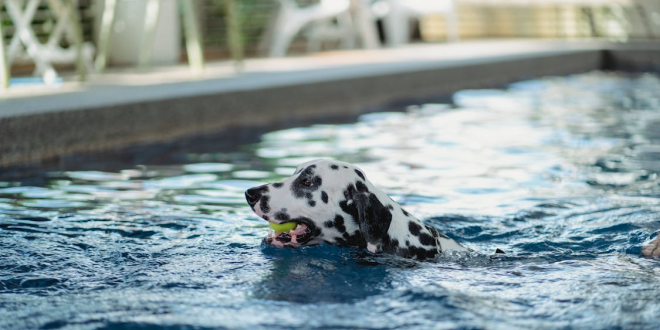
Are you looking for a way to help keep your dog fit, pain free, and moving well longer?
Canine aquatic therapy is veterinary rehabilitation’s fastest-growing practice. Combine intuitive canine fitness equipment with water’s natural properties and you get results that everyday exercise can’t match.
Dogs recovering from injury or surgery, living with chronic conditions, or simply needing a smarter way to stay active all benefit from water workouts.
In This Article:
- What Is Canine Aquatic Therapy?
- Why More Dogs Need Aquatic Therapy Than You Think
- Canine Fitness Equipment Used During Sessions
- Aquatic Therapy’s Primary Benefits Explained
- When Is Aquatic Therapy NOT Recommended?
- Typical Session Breakdown
- Conclusion
What Is Canine Aquatic Therapy?
Put simply: canine aquatic therapy allows dogs to exercise, recover, and build strength using water. Working with specialised canine fitness equipment such as underwater treadmills and resistance pools allows certified rehabilitation practitioners to enhance results with hydrotherapy your typical vet just can’t replicate at home.
Water creates buoyancy. Buoyancy lets your dog move freely without putting undue stress on their joints. By taking the impact out of every step or movement, therapy sessions build muscle, increase range and endurance, all without causing more pain or damage.
Sessions are that powerful.
Aquatic therapy is practiced by veterinary professionals all over the world. These aren’t trendy wellness tips passed down from copycat rehab practitioners. Animal physiotherapy with water is a clinically supported treatment method with veterinary research to back it up.
Why More Dogs Need Aquatic Therapy Than You Think
Here’s a fun fact most dog parents don’t know…
Did you know that 1 in 5 dogs will develop osteoarthritis at some point during their lives? Joint disease is one of the most common conditions affecting dogs today. And dogs don’t need to be seniors to suffer. A Scientific Reports study found that up to 40% of dogs as young as 8 months old display clinical signs of joint disease.
That’s 1 out of every 5 dogs that can benefit from low-impact fitness options like canine aquatic therapy.
Factor in dogs recovering from knee surgery, back issues, hip dysplasia, neurological diseases… You have the recipe for a massively helpful therapy with the potential to help millions of canine athletes stay active and healthy for longer.
Need another reason canine aquatic therapy is booming?
Because things like early onset osteoarthritis affects dogs at such a young age, canine fitness equipment and aquatic therapy allow vets and professionals to begin rehabilitation much earlier than in the past. Dogs that might not be able to comfortably walk more than a few steps on land are typically able to freely move about and exercise in water.
Aquatic therapy is for dogs of all shapes, sizes, and rehabilitation needs.
Canine Fitness Equipment Used During Sessions
Here’s what makes aquatic therapy so unique.
Aquatic canine therapy isn’t a matter of throwing a dog in the pool and throwing a ball. There are several different types of canine fitness equipment that practitioners utilize to gain maximum benefit from water:
- Underwater Treadmills — Believe it or not, underwater treadmills are the most common piece of canine fitness equipment used in physical rehabilitation. A dog will walk or trot on a treadmill inside a sealed tank. The treadmill can fill with water to any height necessary. Speed and water height are fully controlled by the therapist.
- Hydrotherapy Pools — These pools allow dogs to swim laps, retrieve toys or work through guided movement patterns. Water is kept warm to help relax muscles and encourage movement.
- Whirlpool Jets — Warm water jets stream from the floor of an enclosed unit, relaxing tense muscles while supporting your dog’s weight with a harness. Whirlpool therapy is incredibly effective at relieving pain, reducing inflammation, and relaxing deep muscles.
There is no “best” canine fitness equipment option. A qualified therapist will assess a dog’s needs and customise their exercise program with canine fitness equipment and aquatic techniques that target their specific requirements.
Aquatic Therapy’s Primary Benefits Explained
Okay, but what does aquatic therapy do for dogs?
Contrary to popular belief, there is far more to canine hydrotherapy than just recovering from injury or building strength after surgery.
Physically, aquatic therapy can help your dog:
- Build muscle lost during recovery from surgery or injury
- Relieve joint pain and inflammation caused by osteoarthritis
- Condition their cardiovascular system and improve endurance
- Increase range of motion in painful, stiff joints
- Help maintain a healthy weight by burning calories with minimal stress to their body
- Improve coordination, agility, and spatial awareness
Aquatic therapy can even benefit your dog mentally.
The light resistance of the water, soothing temperature, and structured movement encourages calm and reduces stress in dogs. When battling pain or recovering from trauma, feeling mentally happy and relaxed can be just as important as physical therapy goals.
When Is Aquatic Therapy NOT Recommended?
Although aquatic therapy is incredibly helpful for dogs of all shapes, sizes, breeds, and ages. That doesn’t mean every dog can or should participate in hydrotherapy.
Dogs with severe cardiovascular conditions, open wounds, unstable spine issues, or infectious skin conditions may not be suited for aquatic rehabilitation. Depending on their condition, some dogs could experience worsened symptoms from certain movements or techniques during an aquatic session.
Here’s the most important point:
Speak with your veterinarian before enrolling your dog in aquatic therapy. Your vet can determine if canine aquatic therapy makes sense as part of their overall wellness plan and refer you to a certified rehabilitation specialist if needed.
Dogs who are cleared for aquatic exercise by their veterinarian often experience life-changing benefits from aquatic therapy. Your dog may struggle to even walk on pavement, but once they enter the water they’ll freely trot, run, and perform exercises that help them recover or stay strong.
Typical Session Breakdown
Alright, last thing. What actually happens during an aquatic therapy session?
Depending on the dog’s experience level with aquatic therapy, they may start on dry land. Your canine athlete’s therapist will perform a quick health assessment, answer any questions you have, and discuss progress since your last appointment.
From there, sessions typically start with acclimating your dog to the water. Therapists always let their canine clients get comfortable at their own pace.
Most aquatic therapy sessions can last anywhere from 10-30 minutes at a time. Session lengths will vary wildly depending on your dog’s overall health and fitness levels. A qualified therapist will monitor your dog’s movements throughout the session, providing exercise modifications as needed.
Once the session is complete, your dog will be dried off and allowed to rest. Many owners notice their dogs appear calmer or more relaxed after a session. If you see your dog looking more chilled after their workout, that’s a great sign your aquatic therapy session is helping!
Wrapping It All Up
Aquatic therapy for dogs has opened the door for canine athletes to recover from injury, stay strong during rehabilitation, and even remain fit into their senior years…. All without putting excess strain on their joints. With conditions like osteoarthritis plaguing dogs at record numbers (and starting much earlier than most owners realise), proper canine fitness equipment and aquatic therapy are quickly going from being only used by the pros to every dog owner who wants to give their canine athlete the best chance possible at a long, healthy life.
Here’s a quick recap:
- Aquatic canine therapy uses water to allow dogs to exercise without placing excess stress on joints.
- Underwater treadmills, hydrotherapy pools, and whirlpool units are among the most common canine fitness equipment used during sessions.
- Aqua therapy helps dogs physically and mentally by aiding in recovery, reducing pain, building cardiovascular health, and more.
- While every dog can likely benefit from aquatic therapy, speak to your vet before starting your dog on any new exercise programs.
- Typical sessions include health assessments, customized workouts with canine fitness equipment, and cool down periods.